

Sustainability · 2025
In this section54 topics
- Sustainability Policy4 items
- Sustainability Goals & UN SDGs4 items
- Policy Review3 items
- Impacts on Stakeholders — Overview1 item
- Business Value Chain2 items
- Stakeholder Analysis2 items
- Environmental Sustainability — Overview1 item
- Environmental Policy & Guidelines4 items
- Environmental Policy Review2 items
- Energy — Plan & Guidelines2 items
- Energy — Electricity Consumption1 item
- Energy — Fuel Consumption1 item
- Energy — Targets3 items
- Energy — Performance & Outcomes2 items
- Water — Plan & Guidelines2 items
- Water — Withdrawal, Discharge & Consumption1 item
- Water — Targets2 items
- Water — Performance & Outcomes2 items
- Waste — Plan & Guidelines2 items
- Waste — Generation, Disposal & Recycling1 item
- Waste — Targets2 items
- Waste — Performance & Outcomes2 items
- GHG — Plan & Guidelines3 items
- GHG — Emissions1 item
- GHG — Emissions Verification1 item
- GHG — Principles & Standards1 item
- GHG — Targets1 item
- GHG Targets — Net Zero1 item
- GHG Targets — Other Targets2 items
- GHG — Performance & Outcomes2 items
- Environmental Legal Incidents1 item
- Social Sustainability — Overview2 items
- Social Policy & Guidelines4 items
- Social Policy Review3 items
- Social — Principles & Standards Practised1 item
- Human Rights Due Diligence1 item
- Employees — Plan & Guidelines3 items
- Employees — Workforce1 item
- Employees — Remuneration & Provident Fund2 items
- Employees — Training & Development2 items
- Employees — Occupational Health & Safety2 items
- Employees — Labour Relations2 items
- Employees — Employee Representation3 items
- Employees — Targets2 items
- Employees — Performance & Outcomes2 items
- Customers — Plan & Guidelines3 items
- Customers — Satisfaction Results2 items
- Customers — Targets3 items
- Customers — Performance & Outcomes2 items
- Community & Social — Plan & Guidelines3 items
- Community & Social — Targets2 items
- Community & Social — Performance & Outcomes2 items
- Other Social Management2 items
- Law Violation Incidents1 item
Sustainability Policy
Introduction
The starting point of the journey towards sustainable operations
RS Public Company Limited ("the Company") or RS Group has been a pioneer and inspiration for Thai entertainment culture since 1982 and is recognized as the most successful music icon in the country's music industry. It has become a center for creative entertainment, whether as a creator of films, dramas, variety shows, and a rights manager for broadcasting world-class sports events. It has also established a unique position as a leader combining entertainment and commerce businesses under the Entertainmerce business model, which transforms viewers and listeners into customers to deliver quality products and services that meet diverse needs, leading to the presentation of products and services that create impressive experiences for customers in all dimensions of life.
Furthermore, the Company serves as a bridge connecting the entire supply chain across the value chain through its business operations from upstream to downstream, such as promoting job creation, career development, income distribution, and creating opportunities for people in society to access new knowledge in a balanced and comprehensive manner. The Company has continuously prioritized sustainable development, with year 2025 marking the sixth year of preparing a sustainability report. This report supports three main dimensions: environmental, social, and governance, alongside economic development, to ensure balanced and sustainable growth.
Year 2020
Sustainability Self-Assessment Form.
Employee Engagement Survey.
Participate in the Sustainability Assessment (THSI).
Sustainability Management Policy and Goals.
Commerce Business Customer Satisfaction Survey.
Corporate Governance and Sustainable Development Structure.
Year 2021
Business Ethics
Good Corporate Governance Policy.
Information System Usage Policy.
Partner Code of Conduct for Sustainable Development.
Whistleblowing Policy and Channels.
Information Technology Management Policy.
Enterprise-wide Risk Management Policy.
Personal Data Protection Policy and Guidelines.
Anti-Corruption and Bribery Policy and Guidelines.
Year 2022
Service Quality Policy.
Environmental Management Policy.
Sustainable Procurement Policy.
Establish a Sustainable Development Working Group.
Investment Policy in Subsidiaries and Associates.
Human Rights Respect and Fair Labor Treatment Policy.
Diversity, Equity, and Inclusion Policy.
Establish a corporate governance working group in accordance with personal data protection laws and cybersecurity laws.
Year 2023
Continuously enhance employee diversity policy.
Create sustainable career-providing projects for society through business operations.
Evaluate key partners on ESG to jointly develop sustainability in the future.
Promote various activities under the RS Net Zero project to contribute to global warming reduction.
Develop a succession plan and define key qualifications for senior executives.
Initiate education for executives and employees on the impacts of climate change and global warming reduction.
Continuously instill knowledge of sustainable development in employees and establish it as an organization-wide indicator.
Year 2024-2025
Continuously promote various environmental activities to contribute to global warming reduction under the RS Net Zero project.
Communicate and promote various stores in surrounding communities through the company's social media under the RS Nearby project.
Support out-of-classroom learning to allow students to gain real-world work experience under the RS Young Blood project.
Key sustainability achievements in 2025
Listed on the Thailand Sustainability Investment (THSI) by the Stock Exchange of Thailand.
ESG Rating at level A by the Stock Exchange of Thailand.
Evaluation of corporate governance performance at an excellent level or 5 stars by the Thai Institute of Directors Association.
Assessment of the quality of shareholder meetings with a score of 100 by the Thai Investors Association.
Certification of membership in the Private Sector Collective Action Coalition Against Corruption by the Thai Institute of Directors Association.
About this report
The Company has prepared this Sustainability Report to demonstrate its commitment to accurately and transparently disclosing important information and sustainability performance to stakeholders. The content covers operations in environmental, social, and governance aspects that occurred during the past year, from January 1 to December 31, 2025.
Reporting guidelines
This year 2025, Sustainability Report discloses information according to the criteria for evaluating sustainable stocks and the selection process for SET ESG Ratings of the Stock Exchange of Thailand, presented in the form of an e-One Report. Furthermore, recognizing the importance of the United Nations Sustainable Development Goals (SDGs), the company has conducted an initial assessment of alignment by applying these goals in its strategic planning to ensure clear growth in line with the established guidelines and objectives, which are also disclosed in this report.
Scope of the report
Considering business relevance, data availability, and the company's key performance both in the reporting year and the outlook for the next 3-5 years, the company has defined the scope of reporting to cover all business units of the company and its subsidiaries.
Others
This Sustainability Report has been presented and prepared through the Annual Information Form/Annual Report (Form 56-1 e-One Report), referencing information disclosed on the company's website, which is part of the Form 56-1 e-One Report. The Board of Directors is responsible for the accuracy and completeness of this referenced information.
Download the full One Report
at http://ir.rs.co.th/th/downloads/yearly-reports
For more information from the person responsible for report preparation
Miss Rattapawee Lapnan, "Company Secretary Department"
RS Public Company Limited,
No. 27 RS Group Building, Prasert-Manukitch Road, Sena Nikhom, Chatuchak, Bangkok 10900, Thailand
Phone: +662 037 8125 Email: sd@rs.co.th Website: www.rs.co.th
Has a Sustainability Policy
Yes
Policy Description
Policy for sustainability
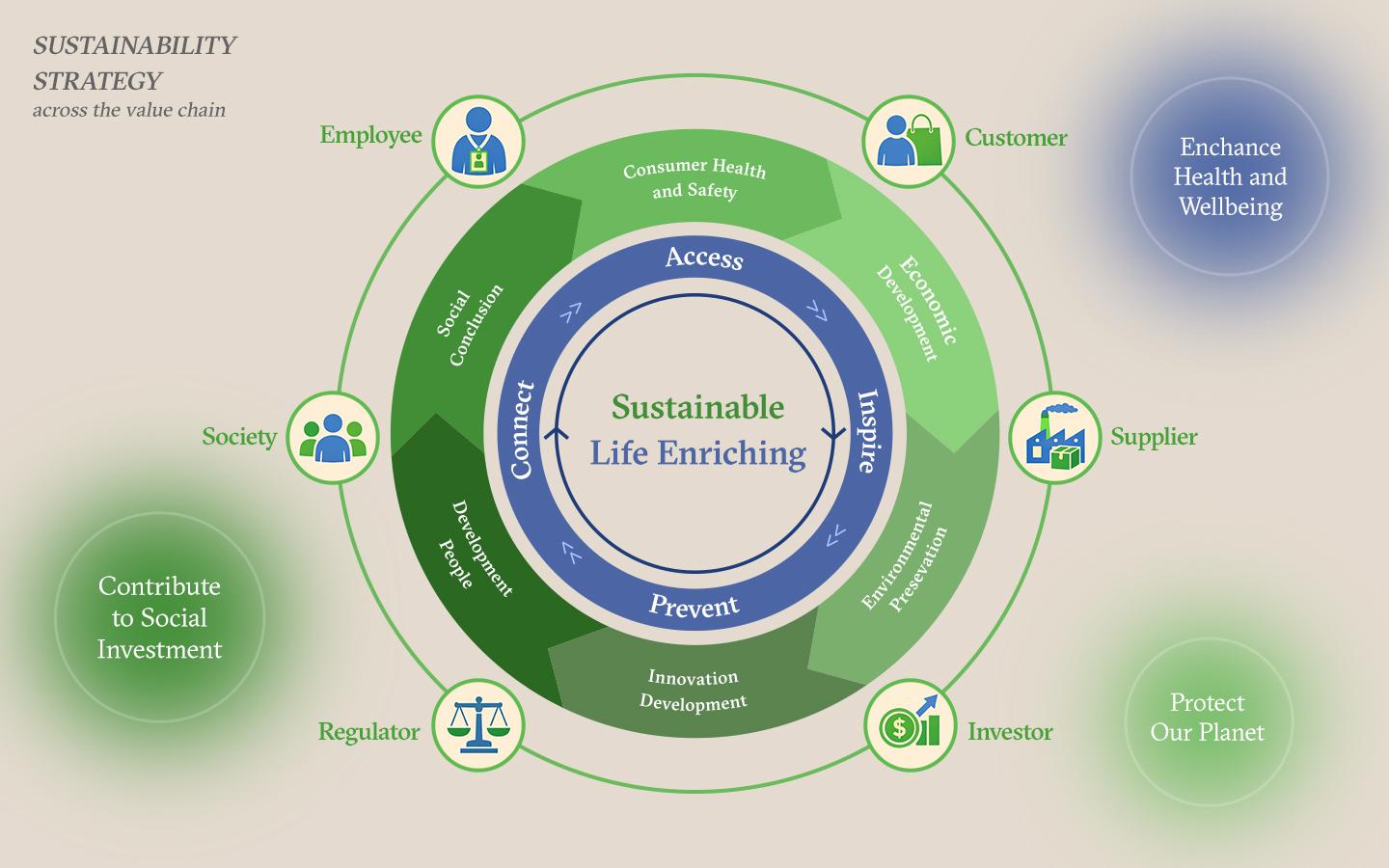
RS Group is committed to creating a sustainable future with the concept of Sustainable Life Enriching, which includes inspiring (Inspire) Preventing negative impacts (Prevent), strengthening relationships with stakeholders (Connect), and creating equal access opportunities (Access) through a variety of products and services that are ready to sustainably elevate all dimensions of life for people and pets. The company is committed to operating under good corporate governance principles, considering responsibility and co-creating value between the company and all stakeholders throughout the business chain, and integrating the management of various sustainability issues into its operations across all sectors, covering all business groups and aligning with the company's short-term and long-term business strategies, aiming towards truly enhancing sustainable development.
Strategy for sustainability
The company has taken sustainability issues identified by stakeholders and analyzed them in conjunction with best practices from various regulatory bodies. Sustainability development has been integrated into the operational process (In Process), which has been approved by the Corporate Governance and Sustainable Development Committee, to consider and define the framework, establish long-term strategies, and proceed towards the operational planning process.
The Corporate Governance and Sustainable Development Committee has approved business strategies that align with the organization's vision, goals, and values. A strategic framework has been established for management to support the company's commitment to continuous and sustainable business growth, as well as to build and maintain relationships with stakeholders including employees, customers, partners, shareholders, regulatory bodies, and communities, by reducing negative environmental and social impacts and increasing positive impacts throughout the business process.
Pillars of sustainability (Three Pillars of Sustainability) and operational framework
Covering environmental, social, and corporate governance and economic dimensions, including:
1. Enhance health and wellbeing
Business ethics
Good corporate governance policy
Complaints and whistleblowing
Enterprise-wide risk management
Green supply chain management
Research and innovation development
Cybersecurity
2. Contribute to social investment
Comprehensive human rights protection
Knowledge development and transfer to society
Customer satisfaction development
Employee potential development
3. Protect our planet: Raising awareness and participation in environmental care
Save energy
Nature conservation
Greenhouse gas reduction
Systematic waste management
Policy Document Link
https://www.rs.co.th/sustainability/
Sustainability Goals & UN SDGs
Introduction
Driving and monitoring for sustainability strategies
The Company has appointed the “Corporate Governance and Sustainable Development Committee (CG & SDC)” to drive and promote integrated operations. The “Sustainable Development Working Group” serves as the primary coordinator for reporting environmental, social, and governance performance to the Corporate Governance and Sustainable Development Committee and the Board of Directors on a quarterly basis.
The Corporate Governance and Sustainable Development Committee has the following roles and responsibilities:
Setting goals and strategies
Building knowledge and understanding
Integrating and promoting culture
Providing consultation and co-considering action plans
Appointing working groups
Monitoring operational performance
Collecting, preparing and reporting
Furthermore, the Company focuses on implementing the 5-year Sustainable Development Plan (2021-2025),
which serves as a comprehensive guideline for operations. in various aspects, with over 95% completion of the planned work, and key achievements presented under various categories. However, the Corporate Governance and Sustainable Development Committee, which is responsible for overseeing and managing climate-related risks, with the Chief Financial Officer, a senior executive and serving as a member of this sub-committee, jointly reviews the Sustainable Development Plan annually to keep pace with global changes, aligning with the United Nations' Sustainable Development Goals, covering international standards more comprehensively, and in line with the Company's business plan. This reflects the Company's commitment to business development that considers important environmental, social, and governance (ESG) issues, while simultaneously generating optimal returns for all stakeholders of the Company.
Has Sustainability Goals
Yes
Goals Description
Setting financial and non-financial performance targets or indicators for the Company.
Key Strategies
The short-term goal for 2024-2025 is "Enhance in all dimensions" through three operational strategies, namely:
1. Enhance health and wellbeing
The Company is one of the successful companies recognized as a case study in adapting to rapid innovative changes to maintain leadership in today's fast-paced business world. It is a source of pride that we are not merely an entertainment media provider that inspires, but also a direct channel for customers, offering products that meet consumer needs, and continuing to operate stably during crises, while committed to improving operational efficiency in all aspects.
Operational guidelines
- Monitor the sustainability performance of partners.
- Support the creation of trade partnerships to foster joint innovation.
- Promote projects to create careers and income for people in society.
- Develop team knowledge and capabilities to drive revenue generation from products that consider sustainable development.
Goals
- Reduce the level of customer product claims to no more than 1 percent.
- Maintain customer satisfaction scores at no less than 95 percent.
- Increase the number of partners assessed for sustainability by no less than 50 percent.
- Maintain corporate governance assessment scores at no less than 100 percent.
2. Contribute to social investment
The Company always considers that a business can grow sustainably only on the foundation of a good society. Therefore, it prioritizes social operations. The Company's responsibility is not limited to its internal society or employees but also extends to external society, including partners, customers, communities, and the overall social condition of the country. This encompasses fair treatment and care for employees, personnel development within the organization, employee health and safety, public benefit operations, and the acceptance of complaints, as well as mechanisms to protect whistleblowers.
Operational guidelines
- Deliver knowledge to students and the general public.
- Support/donate to community charities to jointly create a better quality of life.
- Promote the establishment of a learning organization by developing both online and offline courses to enhance employee efficiency.
Goals
- Create and promote career-providing projects for people in society, benefiting no less than 10,000 individuals.
- Promote and publicize careers with a business value of no less than 10,000,000 Baht.
- Enhance employee potential by creating and transferring knowledge through training, not less than 10 hours/person/year.
3. Protect our planet: Foster awareness and participation in environmental care.
The Company recognizes that the world's population is currently increasing, which is one of the causes of extensive use of natural resources and energy, impacting humans and the overall ecosystem. Therefore, the Company supports and promotes awareness that energy and resource consumption is a matter close to home, and it is everyone's duty to cooperate in conserving and utilizing them most efficiently. Used resources should also be brought back into the production process for reuse, which addresses the ongoing resource scarcity crisis and fosters sustainable growth.
Operational guidelines
- Promote the 5R concept through various projects.
- Adjust business processes to reduce environmental impact.
- Instill a sense of social responsibility in employees and stakeholders.
Goals
- Reduce landfill volume by 10 percent from the base year.
- Reduce water and electricity consumption by 10 percent from the base year.
- Promote the use of environmentally friendly packaging by no less than 20 percent.
- Instill environmental awareness through various activities, with no less than 2 projects per year.
Supporting strategies
Good corporate governance and share value for all: Good governance from within to share common value externally.
The Company is committed to operating under good corporate governance principles as a core driver for sustainable development, with a clear goal of "balanced growth" across economic, social, and environmental dimensions. This involves considering responsibility and creating shared value between the Company and all stakeholders throughout the business chain. A systematic approach is used to identify key stakeholders and integrate their expectations into operations across all sectors, covering all business units and aligning with the Company's business strategies. Furthermore, there is appropriate monitoring and communication with all stakeholder groups, with an emphasis on nurturing and building relationships with key stakeholders, including shareholders, employees, customers, partners, government, communities and society, to create shared value and achieve balanced growth together.
Operational guidelines
- Manage good corporate governance structures at all levels of the company.
- Promote good corporate governance both within the organization and with relevant stakeholders.
- Building understanding and awareness through relevant training.
- Sharing knowledge and experience from excellent operations with people in society.
- Building networks with internal and external experts.
- Promote sustainable development as an integral part of the organization's operations.
- Extending training results into practical application, measuring performance, and continuously developing sustainable processes.
- Disclose sustainable development performance transparently and in accordance with international reporting guidelines.
Goals
- "Excellent" corporate governance assessment results from the Thai Institute of Directors Association.
- "Full Score" from the Shareholder Meeting Quality Assessment Project by the Thai Investors Association.
- "Listed in SET ESG Ratings for Sustainable Stocks" as a listed company with at least 50 percent sustainability assessment results in all dimensions.
- "Certified as a member" of the Private Sector Collective Action Against Corruption (CAC)
The long-term goal by 2030 is to transform RS Group into an organization of the future, strong in all aspects, ready to drive the Company by transitioning to renewable energy sources, a circular economy and carbon neutrality, while also achieving its core mission: "Enhance all dimensions of people's lives." and pets sustainably, and participate in supporting the United Nations Sustainable Development Goals (UN SDGs)."
UN Sustainable Development Goals
| SDG Goal |
|---|
| Goal 3 Good Health and Well-being |
| Goal 3 Good Health and Well-being |
| Goal 4 Quality Education |
| Goal 4 Quality Education |
| Goal 5 Gender Equality |
| Goal 8 Decent Work and Economic Growth |
| Goal 8 Decent Work and Economic Growth |
| Goal 13 Climate Action |
| Goal 13 Climate Action |
| Goal 14 Life below Water |
| Goal 14 Life below Water |
| Goal 15 Life on Land |
| Goal 15 Life on Land |
| Goal 16 Peace, Justice and Strong Institutions |
| Goal 16 Peace, Justice and Strong Institutions |
Policy Review
Policy Reviewed This Year
Yes
Policy Changed This Year
No
Review Details
The Company reviews its short-term and long-term sustainability management policies and goals. These were considered and approved at the 1/2025 meeting of the Corporate Governance and Sustainable Development Committee and subsequently reported at the 1/2025 meeting of the Board of Directors. It is noted that there were no material changes in the past year 2025.
Impacts on Stakeholders — Overview
Introduction
Creating for sustainable value to stakeholders
With experience and expertise in the entertainment business, which forms the foundation of its core operations, combined with the commerce business into a new model called "Entertainmerce" through diverse storytelling methods, which is considered crucial for marketing the Company's products and services, by focusing on creating sustainable value for stakeholders through responsible operations, taking into account mutual benefits in terms of economy, society, and environment through participation creating transparency and managing risks to build strong long-term relationships.
In this regard, the Company continuously adjusts its strategies, business plans, and operational efficiency in all dimensions to accommodate digital disruption trends or various crisis situations that may arise in the future.
Business Value Chain
Introduction
Policy for ustainable business value chain management
The Company is committed to creating a sustainable future with the "Sustainable Life Enriching" concept through diverse products and services to sustainably enhance all dimensions of human and pet lives. We are dedicated to operating under good corporate governance principles, considering responsibility and co-creating value between the Company and all stakeholders. This drives and integrates the business value chain to align with business strategies in the same direction to accommodate changes. various aspects, including continuous revenue growth, along with supporting various projects integrated into each business model. which considers three main dimensions: environmental, social, and governance, alongside balanced economic development and sustainable.
Concept for sustainable business value chain management
The Company prioritizes the production process from upstream to downstream, alongside promoting good business practices within the framework of responsible business operations and value chain management, covering all dimensions including environmental, social, and governance aspects. This focuses on key indicators such as product and service quality, cost management, operational lead time, and customer satisfaction, which helps increase opportunities, reduce risks, and enhance the business's competitiveness. The Company's executives and employees are considered crucial and share responsibility with business partners to ensure that all stakeholders in the business value chain receive maximum mutual benefits sustainably.
Guideline for sustainable business value chain management
1. Establishing clear policies and strategies.
Integrate sustainability principles into procurement strategies and partner relationship management.
Establish a partner code of conduct to serve as selection criteria covering environmental, social, and governance aspects.
2. Standardized partner assessment and selection
Define qualifications for verifying legal compliance, financial status, and quality standards.
Assess based on principles to consider environmental, social, and governance impacts.
3. Risk management and governance
Assess risks to analyze and prioritize potential risks within the business value chain.
Review partners periodically to cover all dimensions.
4. Capacity building and collaboration
Develop partner development plans to enhance partners' capabilities in line with sustainability goals.
Build a knowledge network to share technology with partners so we can grow together.
5. Performance measurement and value creation
Monitor positive impacts to promote, improve, correct, and adhere to as shared practices throughout the business value chain.
Build trust and value for the brand to enhance value and foster long-term business loyalty.
Value Chain Description
Managing impacts for stakeholders in the business value chain
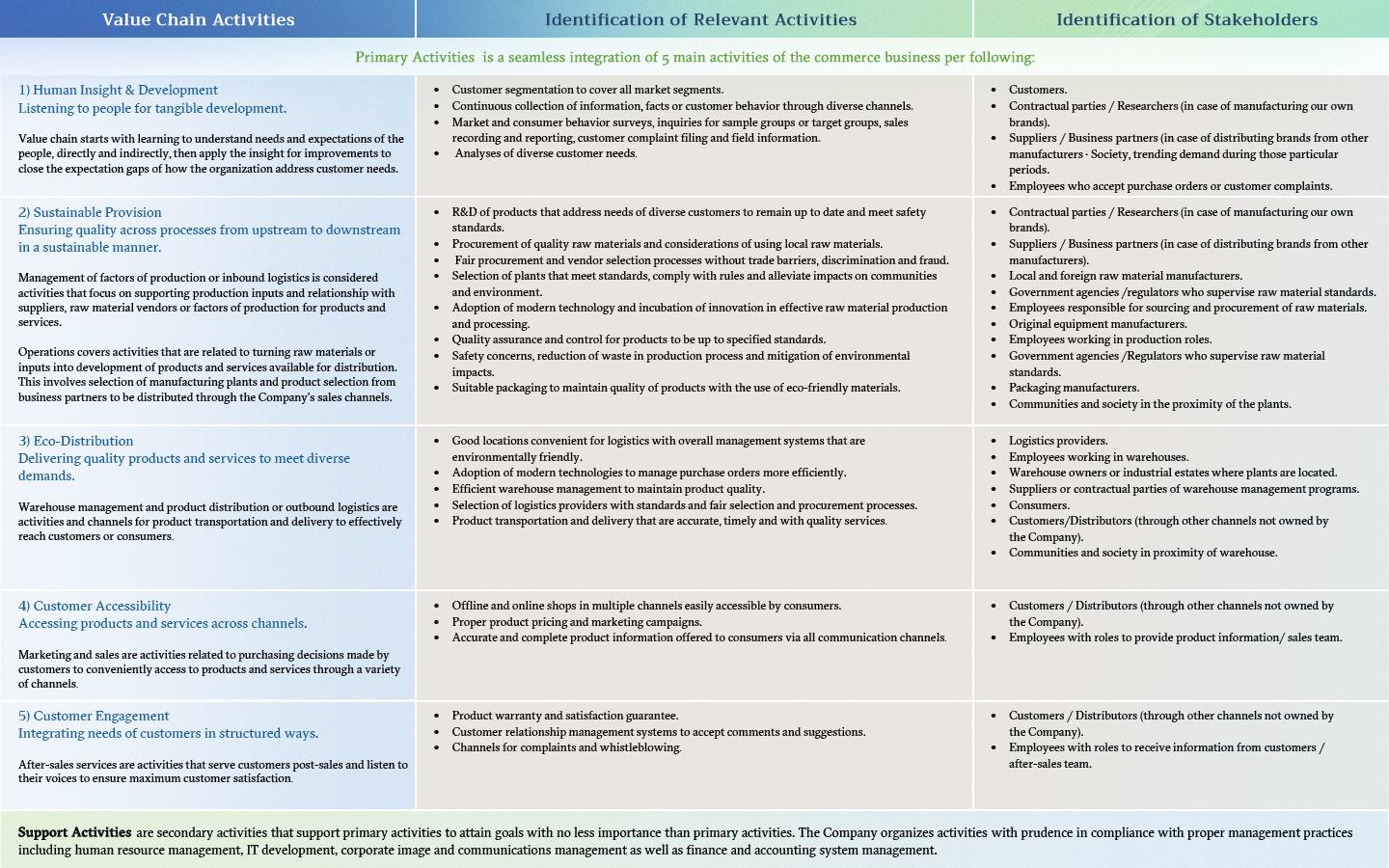
Understanding the sustainability needs of all stakeholder groups is another key factor contributing to the company's success, which will reflect to identify appropriate approaches for communicating with stakeholders and determining material issues, enabling the company to innovate, anticipate, and respond precisely, including the creation of new products and services for customers with diverse needs. The company also serves as a bridge connecting the chain supply throughout the entire value chain through business operations from upstream to downstream
Concept for managing impacts of stakeholders in the business value chain
Previously, the company focused on inspiring and enriching people's lives with creative and valuable entertainment, products, and services, employing a linear supply chain management approach that primarily emphasized economic management, such as cost reduction, revenue generation, and sales increase. Subsequently, the management process was adjusted to a network-based business value chain that considers sustainability issues alongside economic aspects
in a balanced manner. This approach focuses on enhancing people's quality of life in all dimensions throughout the process from upstream, midstream, to downstream, thereby improving operational efficiency, reducing the risk of business disruption, protecting reputation and image, lowering business process costs, developing labor potential, and creating innovations that meet market demands, reflecting the value delivered to relevant stakeholders in each activity.
Guidline for managing impacts of stakeholders in the business value chain
Emphasize and declare the concept of integrating stakeholder impact management as part of operations across the entire organization.
Assess the scope, risks, and impacts of economic, social, and environmental issues throughout the business value chain.
Identify goals, target groups, action plans, strategies, and policies for managing stakeholder impacts in the business value chain.
Implement action plans by organizing appropriate activities for each stakeholder group.
Regularly measure and monitor performance, including reviewing and establishing corrective measures to continuously enhance work quality.
Communicate and disclose information regarding the company's sustainable business value chain management to various stakeholders accurately and transparently through appropriate channels.
Stakeholder Analysis
Introduction
Policy for stakeholder analysis in the business value chain
The Company is committed to managing stakeholders efficiently and fairly, by adopting a systematic approach to identify key stakeholders and integrate their expectations into operations across all sectors, covering all business units and aligning with the Company's business strategies, as well as appropriately monitoring and communicating with all stakeholder groups.
In 2025, the Company's Corporate Governance and Sustainable Development Committee reviewed stakeholder groups to ensure that throughout the business's value chain, the Company addresses various important issues comprehensively, in line with its business strategies for those periods, including short-term, medium-term, and long-term plans. The review covered all dimensions, whether direct or indirect, positive or negative impacts, for management that meets needs and is at an appropriate level, which will help reduce business risks and create opportunities for sustainable business growth.
Concept for stakeholder analysis in the business value chain
With a commitment to sustainability as a crucial part of the Company's overall business strategy, the Company has primarily focused on the commerce business in the past. However, in 2025, the entertainment business fully resumed operations. The Company therefore expanded the scope of its operations in all dimensions to cover all business units, which involves understanding the sustainability needs of all stakeholder groups is another crucial factor contributing to the Company's success, which will reflect and demonstrate appropriate approaches for communicating with stakeholders and defining material issues, so that the Company can innovate, anticipate, and respond effectively and precisely, including creating new products and services for customers with diverse needs. The Company also serves as a bridge connecting the supply chain throughout the entire value chain through business operations from upstream to downstream.
Guidelines for stakeholder analysis in the business value chain
Stakeholder analysis in the business value chain involves identifying, grouping, and understanding the expectations, needs, and impacts that the business has on relevant individuals or organizations, such as customers, employees, partners, shareholders, communities, or government agencies through various activities in the business value chain in order to manage relationships, reduce risks, and create sustainable business opportunities.
Framework for stakeholder engagement and material issue analysis
1. Classification and analysis by considering the relationship of stakeholders to business operations along with grouping key primary and secondary stakeholders to analyze direct and indirect risks and impacts, and appropriate channels for engagement in jointly defining sustainability issues.
Primary stakeholders are those directly connected to the Company and directly benefit from and are impacted by its operations, such as employees, shareholders, customers and partners.
Secondary stakeholders are those indirectly involved with the Company or the wider society, who receive indirect benefits or impacts from operations, including communities and society, as well as various regulatory bodies.
2. Listening to and engaging with all stakeholder groups throughout the supply chain through both online and offline communication channels, including regular face-to-face meetings by directly responsible officers. This also includes providing channels for suggestions and complaints, conducting surveys on needs, satisfaction, and engagement, organizing focus group discussions, meetings, and joint activities, in accordance with established processes and activities.
3. Analysis of expectations and both positive and negative impacts, in order to prioritize issues material to both the Company and its stakeholders.
4. Response, to establish appropriate and rigorous processes for responding to the needs and complaints of each group.
5. Communication, to disclose complete, sufficient, and timely information. Furthermore, processes are established to support and analyze the obtained data, leading to further development and improvement of internal processes.
In 2025, the Company focused on nurturing and building relationships with its top 3 primary stakeholder groups: customers, employees, and partners. Other secondary stakeholders included shareholders, government or regulatory bodies, and communities and society, all aimed at co-creating value and achieving balanced and sustainable growth together.
Management for stakeholder relationship
Once stakeholder expectations are understood, the Company has summarized approaches to meet those expectations, reflecting collaboration and co-creation of value between the Company and all stakeholders, reducing various operational risks, and also adding value to the business. Materiality Assessment and Identification of Sustainability Issues
As stakeholders play a critical role in the Company’s business operations, the Company provides opportunities for stakeholders to engage in dialogue, exchange views, and build mutual understanding. Their opinions and expectations are actively gathered to assess whether key issues are aligned, and to identify any consistencies or conflicts among them.This process aims to identify material issues that may have an impact on the business and reflect stakeholder expectations across all dimensions of operations. It also ensures that the Company’s assessment of stakeholders is not based solely on internal assumptions. To ensure effectiveness, engagement activities are conducted with clear structures, and specific responsibilities are assigned to designated personnel for each stakeholder group.
Materiality assessment and identification of sustainability issues
Issue selection:
The Corporate Governance and Sustainable Development Committee is responsible for assessing and selecting sustainability issues, considering opinions and supporting data from all relevant stakeholders through various channels, as well as considering the Company's risks and strategies, business operations, stakeholder impacts and expectations, the Company's sustainable management approaches, and sustainable development trends.Defining report scope:
The scope of each issue is determined by considering its impact on the Company's business operations and its impact on all internal and external stakeholders.Prioritization:
Selected issues will be prioritized based on opportunities, impacts on the Company, and all stakeholders.
The report content will primarily focus on 3-5 highly important key issues, then comprehensively expand to other secondary issues.Verification and reliability:
The Corporate Governance and Sustainable Development Committee plays a role in monitoring and reviewing
the progress and preparation of the sustainability report, providing recommendations for completeness, covering important issues related to the Company and all stakeholders, including approving the disclosure of relevant policies and information.Continuous development:
The Company prepares a sustainability report to fully disclose important information to investors and the general public in all dimensions and expects to be able to develop report preparation in accordance with international standards, by listening to opinions and suggestions from all relevant parties through various channels, such as participating in sustainability report award assessments, customer satisfaction assessments, partner self-assessment forms, or report user feedback questionnaires, etc.
The Company's material issues for 2025 have been approved by the Corporate Governance and Sustainable Development Committee meeting and presented to the Board of Directors meeting for consideration and acknowledgment. The top 3 important issues are:
Customer satisfaction assessment regarding products and services. (Response to SDG 3)
Health and safety care. (Response to SDG 12)
Systematic waste management. (Response to SDG 13)
Including the ranking of secondary material issues in each dimension, which aligns with the Company's analysis of the importance of primary and secondary stakeholders.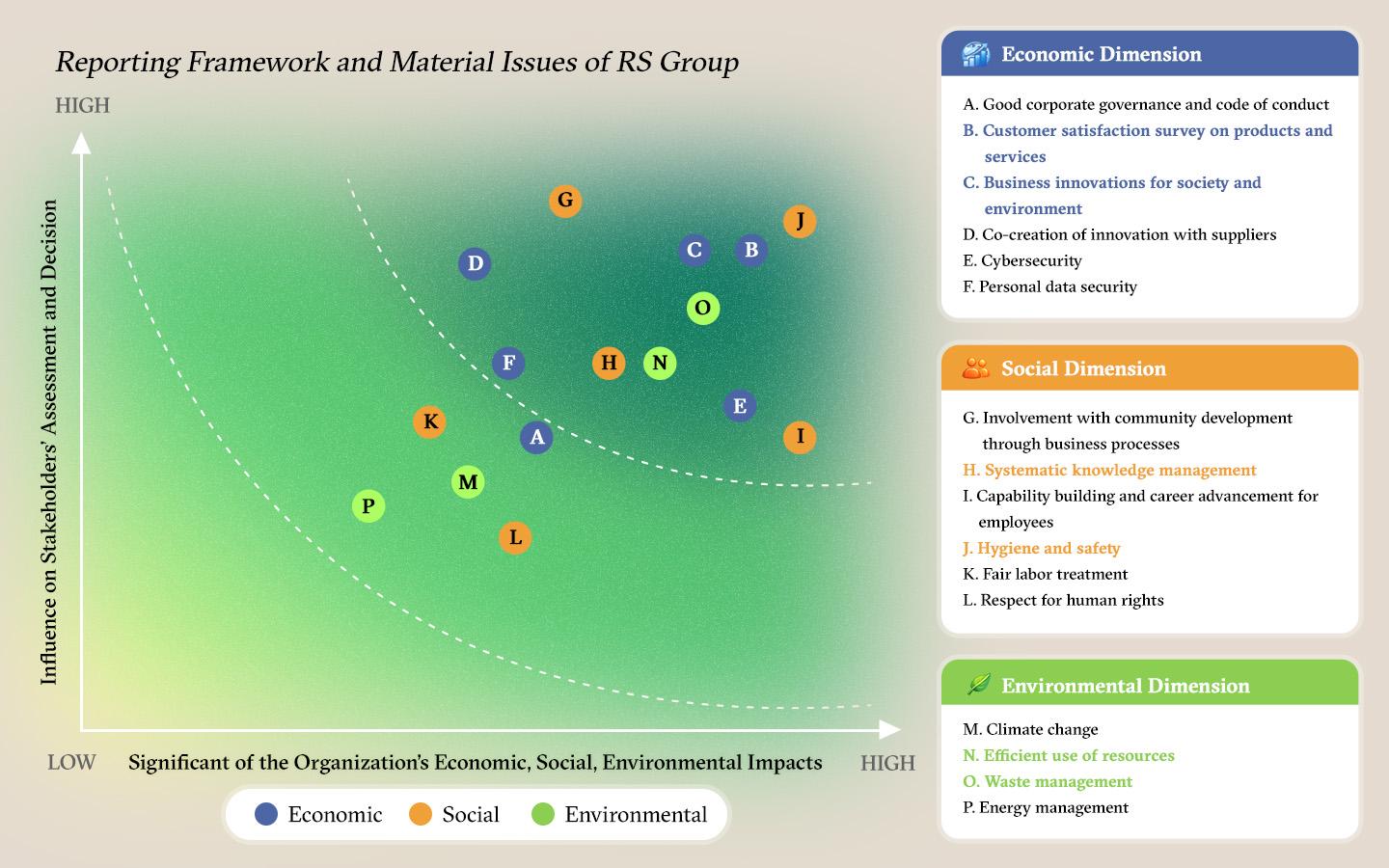
Stakeholder Analysis
| Stakeholder Type | Stakeholders | Stakeholder Expectations | Response to Expectations | Communication Activities |
|---|---|---|---|---|
| External stakeholders | 2915 · Description: Consumers · 2923 · Description: Customers | • Good pre-sales service with accurate and timely product information provided by staff.
• Receipt of safe, quality products that meet control standards, are accurate, and delivered on time.
• Transparent and timely tracking of order and delivery status.
• Good after-sales service with product warranty and satisfaction guarantee.
• Environmentally friendly production processes.
• Diverse products that are up-to-date and meet customer needs.
• Easy access to products through various offline and online channels.
• Appropriate product pricing and marketing promotion activities. | • Produce standardized and safe products
• Promote production innovation that meets customer needs and is environmentally friendly • Deliver quality, accurate, and timely information, products, and services according to established standards
• Provide information service personnel for both pre-sales and after-sales
• Expand diverse, accessible, and efficient product distribution channels
• Conduct customer satisfaction surveys
• Implement measures to protect customer personal data
• Establish channels for mutual communication | 2938 · Description: Visit · 2939 · Description: Press Release · 2940 · Description: Social Event · 2941 · Description: Online Communication · 2945 · Description: Complaint Reception · 2947 · Description: Satisfaction Survey · 2948 · Description: Training / Seminar |
| Internal stakeholders | 2895 · Description: Migrant workers · 2921 · Description: Employees · 2922 · Description: Expatriate | • Fair and appropriate wages and compensation.
• Provision of welfare benefits exceeding legal requirements.
• Provision of training for knowledge and work potential development.
• Providing opportunities for career advancement to ensure life stability.
• Management of a good and safe environment, in accordance with occupational health and safety principles in the workplace.
• Consistent disclosure and communication of company information and management direction.
• Job satisfaction and work-life balance.
• Fair treatment of employees in accordance with human rights principles, without discrimination or prejudice.
• Welcoming and providing opportunities for employees of diverse genders. | • Manage compensation payments aligned with the company's performance, both short-term and long-term, including performance measurement using the OKRs system.
• Provide appropriate welfare benefits to employees, such as a provident fund, social security fund, medical welfare, annual health check-ups, and special-priced food and beverages.
• Promote and implement employee potential development, fostering fair career advancement.
• Manage office spaces in accordance with occupational health principles, such as green areas, smoking areas, employee dining rooms, and various recreational corners.
• Recruit and hire employees in accordance with human rights guidelines, emphasizing equality and diversity, without discrimination based on race, religion, skin color, or gender, and focusing on abilities aligned with the business model.
• Provide channels for mutual communication. | 2938 · Description: Visit · 2939 · Description: Press Release · 2940 · Description: Social Event · 2941 · Description: Online Communication · 2942 · Description: Internal Meeting · 2943 · Description: External Meeting · 2945 · Description: Complaint Reception · 2946 · Description: Employee Engagement Survey · 2948 · Description: Training / Seminar · 2949 · Other name: Recreational Activities · Description: Others · 2949 · Other name: Performance Appraisal · Description: Others |
| External stakeholders | 2894 · Description: Creditor · 2899 · Description: Suppliers · 2900 · Description: Business partners · 2903 · Description: Dealers · 2906 · Description: Tenants · 2908 · Description: Raw material processors · 2909 · Description: Lessors · 2910 · Description: Franchisor · 2911 · Description: Raw material distributors · 2912 · Description: Product distributors · 2917 · Description: Raw material manufacturers · 2918 · Description: Contractors · 2919 · Description: Subcontractors · 2920 · Description: Franchisee · 2932 · Description: Joint venture partners | • Transparent, fair, non-monopolistic, non-discriminatory, and non-corrupt procurement
• Provision of attractive, appropriate, and fair remuneration
• Creation of shared value in long-term and sustainable business operations
• Safety prevention in accordance with occupational health principles
• Maintenance of mutual commitments and confidentiality in business operations
• Fair contracting with all parties
• Timely and accurate debt repayment | • Treat partners fairly, transparently, and accountably, without monopolistic or restrictive trade practices, and oppose all forms of corruption.
• Establish fair contract terms and procurement remuneration.
• Make timely payments according to agreed-upon terms.
• Promote collaboration, innovation, and shared knowledge.
• Maintain good relationships and mutual confidentiality.
• Share a common goal of producing quality and safe products for customers.
• Operate in accordance with occupational health and safety principles. | 2938 · Description: Visit · 2939 · Description: Press Release · 2940 · Description: Social Event · 2941 · Description: Online Communication · 2942 · Description: Internal Meeting · 2945 · Description: Complaint Reception · 2949 · Other name: ESG Performance Assessment · Description: Others |
| External stakeholders | 2904 · Description: Investors or investment institutions · 2913 · Description: Shareholders · 2925 · Description: Financial institution | • Good operating performance, with tangible, continuous, and stable growth.
• Comprehensive sustainable development in all dimensions. •
Security prices that reflect the company's true value.
• Consistent dividend payments.
• Good corporate governance, transparent, and verifiable.
• Accurate, complete, and timely disclosure of information. | • Manage operations to achieve stable and balanced growth in all dimensions, including economic, social, and environmental aspects.
• Perform duties with integrity, and conduct all actions in accordance with corporate governance principles and ethics, without seeking personal gain or benefiting others by using any company information not yet disclosed to the public, and without engaging in any actions that may create a conflict of interest for the company.
• Promote anti-corruption in all forms. | 2938 · Description: Visit · 2939 · Description: Press Release · 2940 · Description: Social Event · 2941 · Description: Online Communication · 2944 · Description: Annual General Meeting (AGM) · 2945 · Description: Complaint Reception |
| External stakeholders | 2905 · Description: Analysts · 2929 · Description: Media · 2931 · Description: Government agencies and Regulators | • Compliance with regulations, rules, and laws in all dimensions.• Providing information or undertaking various actions accurately, appropriately, and in a timely manner. | • Comply with laws and regulations • Oppose all forms of corruption • Provide information and good cooperation when requested by regulatory bodies | 2945 · Description: Complaint Reception · 2948 · Description: Training / Seminar |
| External stakeholders | 2902 · Description: Community · 2914 · Description: Thought leaders · 2926 · Description: Educational institution or academic agency · 2928 · Description: Society · 2933 · Description: Non-profit organization / NGOs · 2934 · Description: Standard organization · 2935 · Description: Independent entities | • Building community and social engagement and trust.
• Proper prevention of environmental impacts in accordance with various control criteria.
• Processes to enhance the quality of life for people in society.
• Participation as part of the community and society.
• Efficient shared resource utilization | • Create value and develop communities based on sustainable development principles through the dissemination of knowledge to people.
• Control waste discharge to meet standard criteria.
• Promote the improvement of business processes to reduce impacts on communities and the environment.
• Efficient resource utilization and minimizing waste in production processes.
• Support activities that consistently create value for society, communities, and the environment.
• Listen to suggestions from surrounding communities to jointly find solutions for various complaints. | 2938 · Description: Visit · 2939 · Description: Press Release · 2940 · Description: Social Event · 2941 · Description: Online Communication · 2945 · Description: Complaint Reception · 2948 · Description: Training / Seminar · 2949 · Other name: Community and Social Needs Assessment · Description: Others · 2949 · Other name: Provision of direct on-site assistance · Description: Others |
Environmental Sustainability — Overview
Operating Results — Introduction
Performance for environmental management
The Company regularly monitors and evaluates its operations in accordance with relevant environmental laws, regulations, and practices to ensure that employees and stakeholders are informed and comply correctly.
In 2025, the Company's key performance results are as follows:
There were no complaints from stakeholders regarding offenses arising from violations of environmental laws and regulations.
There were no disputes or judgments identifying offenses arising from violations of environmental laws and regulations.
There were no fines were paid for violations of environmental laws and regulations.
Environmental Policy & Guidelines
Has an Environmental Policy
Yes
Policy Description
Policy for environmental management
The company is committed to operating strictly in accordance with environmental laws, requirements, and regulations, including the valuable use of energy and natural resources. It prioritizes nature conservation, systematic waste management, and the consideration of managing, monitoring and controlling environmental impacts from business operations throughout the organization's supply chain. This is achieved by promoting employee awareness and participation in environmental responsibility. Furthermore, environmental management issues are used as a crucial component in considering joint investments with partners.
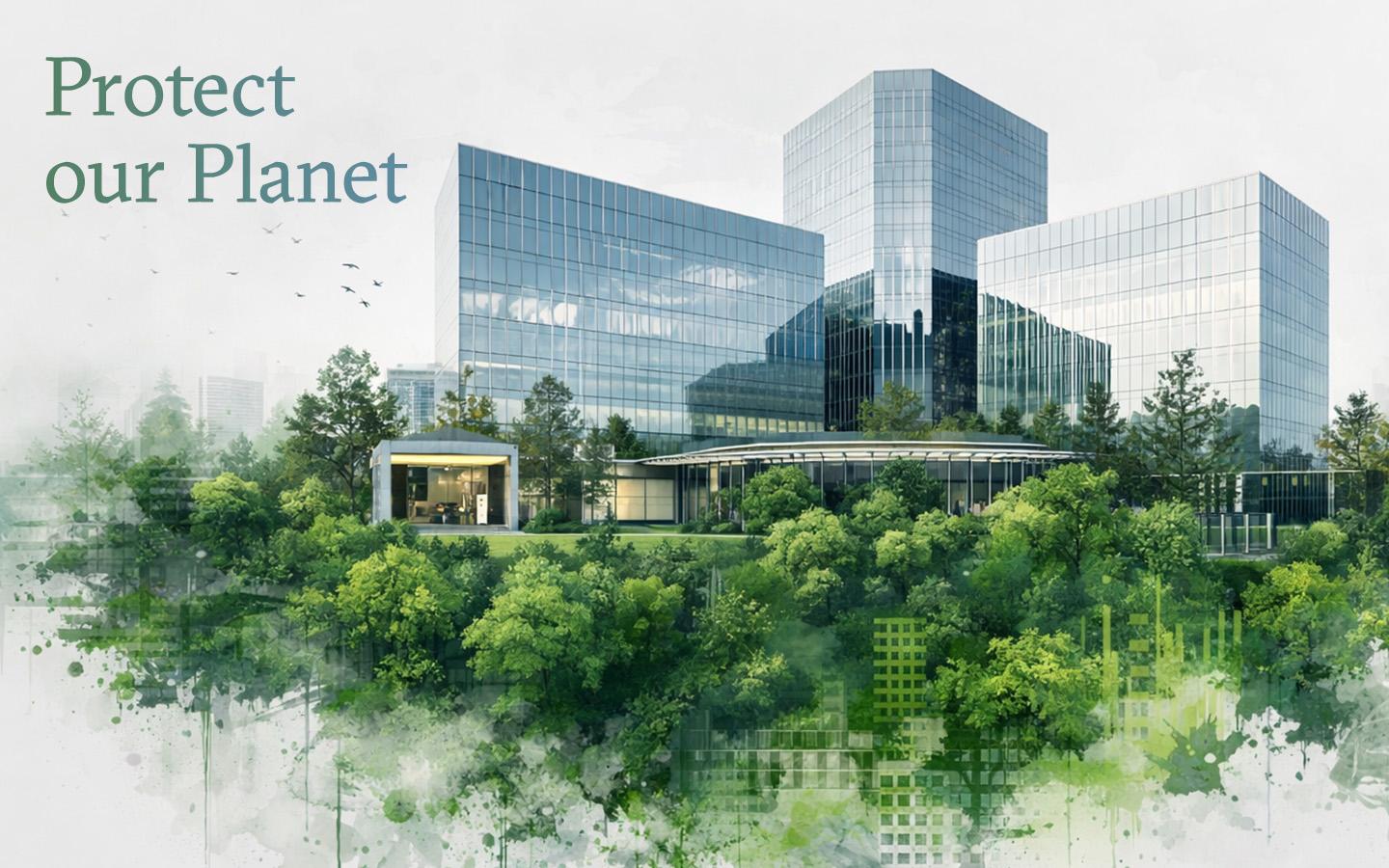
In 2025, the company reviewed its environmental policy and guidelines, maintaining the operational framework and strategy as "Protect our planet: fostering awareness and participation in environmental care, energy conservation, nature preservation, greenhouse gas reduction and systematic waste management". Initially, the goal is to build understanding and awareness among employees regarding environmental conservation, starting with a project for proper and systematic waste disposal, along with the adoption of a circular economy system in the company's operations to help address global warming and the impending resource scarcity crisis. This environmental management policy and goals have been approved by the Corporate Governance and Sustainable Development Committee meeting and presented to the Board of Directors meeting for consideration and acknowledgment.
Guideline for environmental management
Strictly comply with all environmental laws, requirements, and regulations.
Regularly review environmental policies, management plans, and monitor environmental performance.
Support the use of technologies and operational procedures that meet environmental standards, with consideration for proper and appropriate waste volume control and management.
Promote environmental impact assessment as an integral part of the business value chain.
Disclose the company's environmental information accurately and transparently through appropriate channels.
Provide knowledge and support activities that raise awareness among employees and the public to foster environmental responsibility.
Impact assessment for environmental management
In 2025, the company assessed the environmental impacts of its operational activities in all dimensions, including impacts on ecosystems, climate change, and negative impacts on natural resources that may arise from such activities. It was found that environmental issues are not yet urgent or severely impactful to the company at the highest level in the near future. However, this year, the company has 2 significant sustainability issues in the environmental dimension: 1) efficient resource utilization and 2) systematic waste management. The company has initiated setting goals related to other environmental issues to cover a broader scope of business operations, and has also established appropriate and sufficient best practices in accordance with occupational health and safety principles.
Furthermore, the scope of environmental operations has been extended to partners. A partner self-assessment form has been developed, which incorporates environmental performance criteria as part of the selection process for both existing and new partners of the company, alongside engagement with communities and society.
Policy Document Link
https://www.rs.co.th/sustainability/
Environmental Guidelines
| Guideline |
|---|
| Electricity Management |
| Water Management |
| Waste Management |
| Greenhouse Gas and Climate Change Management |
Environmental Policy Review
Policy Reviewed This Year
Yes
Review Details
The Company reviews its policy for environmental management, guidline and targets for both the short and long term. These were approved at the 1/2025 meeting of the Corporate Governance and Sustainable Development Committee and reported at the 1/2025 meeting of the Board of Directors. There have been no material changes in the past year 2025.
Energy — Plan & Guidelines
Has an Energy Management Plan
Yes
Plan Description
Policy for efficient energy and resource utilization
The Company recognizes the increasing global consumption of energy and natural resources, which impacts human life and the balance of ecosystems. The Company is committed to being a part of driving business towards a circular economy and carbon neutrality by applying these principles throughout its value chain. The aim is to contribute to fostering environmental awareness among people in society to conserve and utilize energy and resources with maximum efficiency, through supporting various activities and promoting the creation of knowledge and awareness among employees that energy and resource consumption is a personal matter, and it is everyone's duty to collaborate.

Guidelines for efficient energy and resource utilization
Strictly comply with all laws, regulations, and procedures related to energy and resource utilization.
Regularly review policies, management plans, and monitor operational performance.
Promote the direct adoption of the 5R principles: reduce the amount of waste generated, reuse materials whenever possible, recycle resources, repair items to extend their useful life, and reject products that may be harmful to health or the environment.
Support the use of innovation and technology in production processes related to energy and resource conservation.
Support activities and foster environmental responsibility among employees at all levels.
Arrange operational areas in the form of energy-efficient buildings to contribute to the most valuable use of natural resources.
Evaluation for efficient energy and resource utilization
The Company primarily focuses on internal operations by organizing educational activities to build awareness and consciousness among internal employees, with the aim of fostering a sustainable change in their mindset regarding daily energy and natural resource consumption.
Energy — Electricity Consumption
Electricity Consumption
| Metric | Current Year | Previous Year | Two Years Ago |
|---|---|---|---|
| Total electricity consumption within the organization (Kilowatt-Hours) | 4,265,279 | 5,853,000 | 6,126,000 |
| Electricity purchased for consumption from non-renewable energy sources (Kilowatt-Hours) | 4,265,279 | 5,853,000 | 6,126,000 |
| Electricity purchased or generated for consumption from renewable energy sources (Kilowatt-Hours) | 0 | 0 | 0 |
Energy — Fuel Consumption
Fuel Consumption
| Metric | Current Year | Previous Year | Two Years Ago |
|---|---|---|---|
| Crude oil (Barrels) | |||
| Coal (Metric tonnes) | |||
| Jet fuel (Litres) | |||
| Diesel (Litres) | 99,074.82 | 110,885.02 | 70,254.53 |
| Gasoline (Litres) | 0 | 0 | 284.24 |
| Fuel oil (Litres) | |||
| Natural gas (Standard cubic feet) | |||
| LPG (Kilograms) | 975 | 1,905 | 3,015 |
| Steam (Metric tonnes) |
Energy — Targets
Introduction
Concept for electricity consumption management
“Electricity” is considered a crucial energy source driving the main economy. Domestic electricity is generated from limited energy sources, and imports are steadily increasing. Therefore, the company prioritizes electricity management within the organization by using it judiciously, encouraging stakeholders in the supply chain to use electricity efficiently, utilizing buildings designed for energy saving, and reminding employees to turn off lights every time they are not in use, turn off computer screens, and replace equipment with more energy-efficient alternatives, such as switching all light bulbs to energy-saving types. This also includes planning for inspection and maintenance of the electrical system to ensure safety and readiness for use at all times.
Guideline for electricity consumption in the office
Turn off lighting equipment only when necessary and turn it off when not in use. Try to use natural light as much as possible, choose energy-saving light bulbs and clean light fixtures regularly.
Adjust temperature air conditioners at 25-26 degrees Celsius and turn off air conditioners when not in use.
Turn off computers and office equipment and unplug all electrical appliances when not in use to prevent electrical leakage.
Use the stairs instead of the elevator when going up or down 1-2 floors.
Install separate zone light switches for convenient use.
Inspect wires and deteriorated equipment and report for repair immediately.
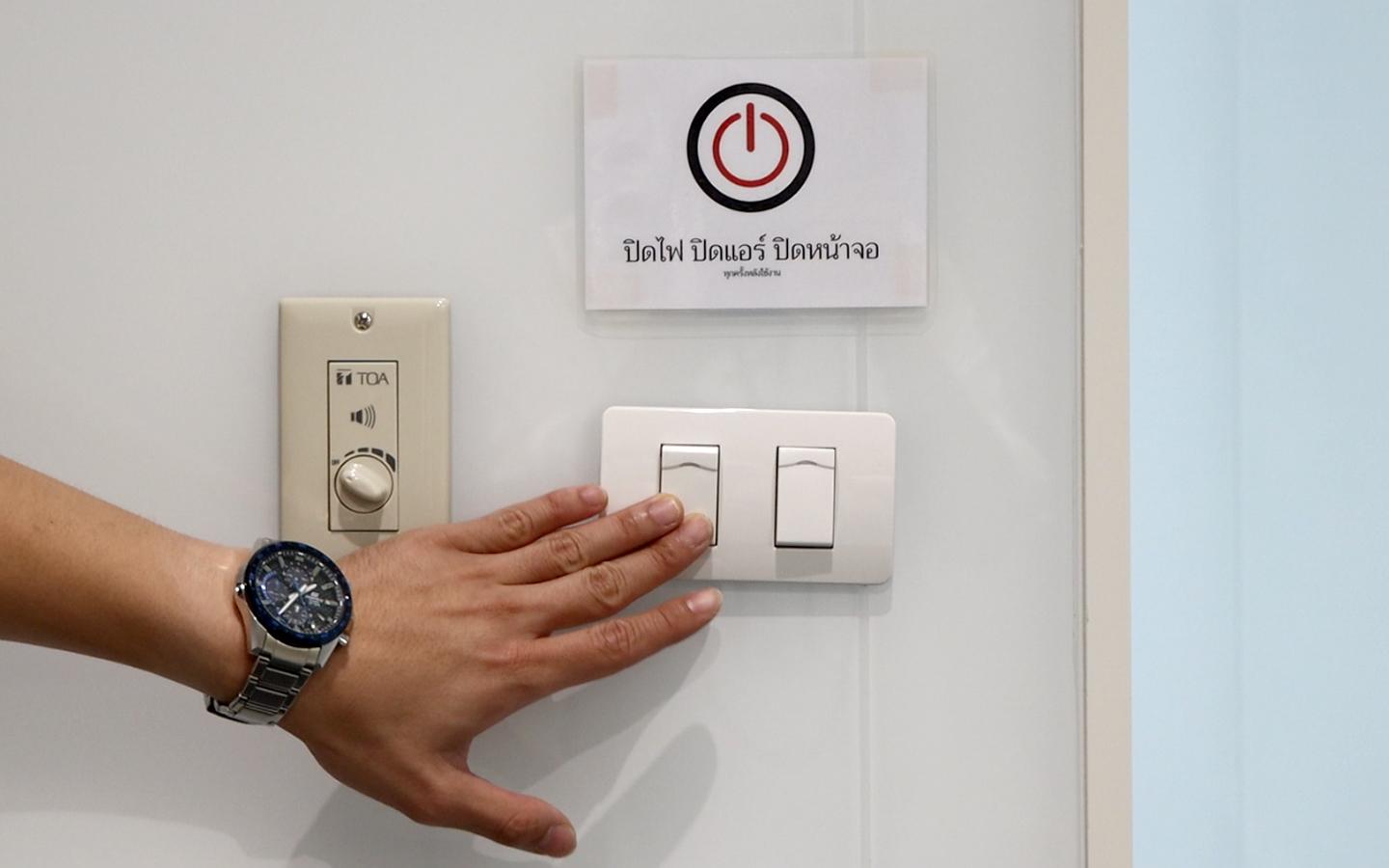
Promote energy-saving awareness by posting reminder signs and providing training to encourage employees to cooperate in conserving energy.
Has Set Targets
Yes
Targets
| Target | Base Year | Base Year Value | Target Year | Target Year Value | Target Change (%) | Unit |
|---|---|---|---|---|---|---|
| Reduction of electricity purchased for consumption | 2,022 | 5,374,800 | 2,025 | 537,480 | 10 | Kilowatt-hour |
| Reduction of electricity purchased for consumption | 2,022 | 5,374,800 | 2,025 | 537,480 | 10 | Kilowatt-hour |
Energy — Performance & Outcomes
Has Performance Results
Yes
Performance Description
Performance for electricity management
The target is to reduce electricity consumption by 10% from the base year, equivalent to an annual electricity consumption of 4,837,320 kilowatt-hours. The historical performance against this target is as follows:
Target: 4,837,320 Kilowatt-hours | Year 2023 | Year 2024 | Year 2025 |
Comparison of quantity from previous year | +751,000 | -273,000 | -1,587,721 |
Comparison of quantity to target | +1,288,680 | +1,015,680 | -572,041 |
The electricity consumption in 2025 meet the set target, it was reduced by 27% compared to the previous year. This is a result of continuous electricity saving campaigns within the office building.
Electricity consumption over the past 3 years and current year
Year 2022 | Year 2023 | Year 2024 | Year 2025 | |
Electricity consumption (kilowatt-hours) | 5,374,800 | 6,126,000 | 5,853,000 | 4,265,279 |
Performance for fuel management
The target is for the company to cease using gasoline derived from crude oil by 2025 and replace it with gasohol, an environmentally friendly fuel, as it contains plant-extracted additives and emits significantly less pollution from exhaust compared to gasoline.
Fuel consumption over the past 3 years and current year
Fuel type | Year 2022 | Year 2023 | Year 2024 | Year 2025 |
Diesel (liters) | 54,169.94 | 70,254.53 | 110,885.02 | 99,074.82 |
Gasoline (liters) | 57,707.75 | 284.24 | 0.00 | 0.00 |
Gasohol (liters) | 0.00 | 68,424.17 | 81,559.54 | 64,215.80 |
Total (liters) | 111,877.69 | 138,962.94 | 192,444.56 | 163,290.62 |
Over a period of 3 years, the company has successfully met its goal of eliminating gasoline consumption and fully transitioning to gasohol as a substitute by 2024, continuing into 2025. Furthermore, the company is planning to increase its use of electricity or other clean energy sources to replace fuel consumption, alongside ongoing with the fuel conservation campaign.
Project for energy saving
"RS Earth Hour 2025"
Earth Hour is an international project initiated by the World Wildlife Fund (WWF) in 2007 to campaign for switching off lights for one hour, from 8:30 PM to 9:30 PM, on the last Saturday of March each year. The goal is to stimulate and reinforce public awareness of global warming, which has now reached a critical level, often referred to as "global boiling". The first Earth Hour event took place in Sydney, Australia. The collective effort of switching off lights for one hour reduced carbon emissions equivalent to 48,000 cars on the road, or helped reduce electricity consumption during the campaign by 10% compared to normal periods. Currently, this project has expanded to over 7,000 cities in 190 countries worldwide, including Thailand.
In 2025, the company participated in the 60+ Earth Hour 2025 event, held on Saturday, March 22, 2025. The Metropolitan Electricity Authority reported that the Bangkok area reduced electricity consumption by 134 megawatts compared to the previous Saturday, and reduced carbon dioxide emissions by 58.6 tons of CO2 equivalent. This is comparable to the carbon dioxide absorption of 5,860 trees in one year (one perennial tree can absorb approximately 10 kilograms of carbon dioxide per year). Furthermore, electricity costs were reduced by 621,746 Baht. While the company's participation in this project may not be reflected in significant figures, it is considered a contribution to creating a "low-carbon society" together.
"RS Group Building Receives MEA ENERGY AWARDS Emblem”
RS Group Building, the Company's new office, has a total area of over 62,845 square meters, divided into 3 main buildings and 1 parking building. It features designed in the Congregations Rhythm style, utilizing the building's facade to convey entertainment and communication businesses. This new building design features vertical lines arranged rhythmically with varying frequencies according to the building's functions. The facades of all four buildings are designed to be continuous, forming a cohesive group of buildings, reflecting the organization's unity and giving the building a distinctive and memorable identity.
The interior design of this new office adheres to the concepts of minimal design, simple space, and timeless, embodying simplicity, sustainability, and modernity. The design primarily focuses on functionality, accommodating various work and activities. It emphasizes durable and eco-friendly synthetic materials, reducing material usage, such as neat, durable, and easy-to-install aluminum or precast concrete walls. Epoxy flooring is easy to clean and aesthetically pleasing. Openings and closures are used rhythmically, with glass as the main material, reflecting the surroundings and making the building blend with the environment. It also maximizes natural light to create a spacious, airy, comfortable, and energy-efficient interior during the day. This place demonstrates meticulous attention to every design detail and shows that the building's space is allocated and utilized beneficially in all dimensions. To ensure this energy-efficient building operates at its full potential, a safety, occupational health, and working environment committee has been established to manage and oversee the building's environment, including developing maintenance plans and regularly inspecting the building's internal systems for efficiency.
The Metropolitan Electricity Authority (MEA) organized the 6th Energy Efficiency Improvement Promotion Project and assigned King Mongkut's University of Technology Thonburi (KMUTT) as the project operator. The objective is to promote and incentivize buildings to use energy efficiently, establish appropriate energy consumption standards, and simultaneously ensure good air quality and safety for building occupants.
The criteria for considering the MEA ENERGY AWARDS emblem for buildings include:
The building's electricity consumption efficiency value, determined by the MEA Index. Buildings considered to have good energy efficiency according to MEA criteria must have an MEA Index value not exceeding the specified limit.
Indoor Air Quality (IAQ), assessed by measuring 6 parameters: Carbon Monoxide (CO), Formaldehyde (CH2O), Total Volatile Organic Compounds (TVOC), Carbon Dioxide (CO2), PM 2.5 particulate matter, and PM 10 particulate matter.
For a building to meet the indoor air quality criteria, the measured results of all 6 parameters must not exceed the recommended standard limits. The evaluation results of the Management of Energy Achievement Index (MEA Index) and the Indoor Air Quality (IAQ) measurements are summarized as follows:
The MEA Index energy consumption value for RS Group Building is 0.933, which meets the specified standard criteria (MEA Index value not exceeding 1).
The measurement results for all 6 parameters in the building showed no values exceeding the recommended limits.
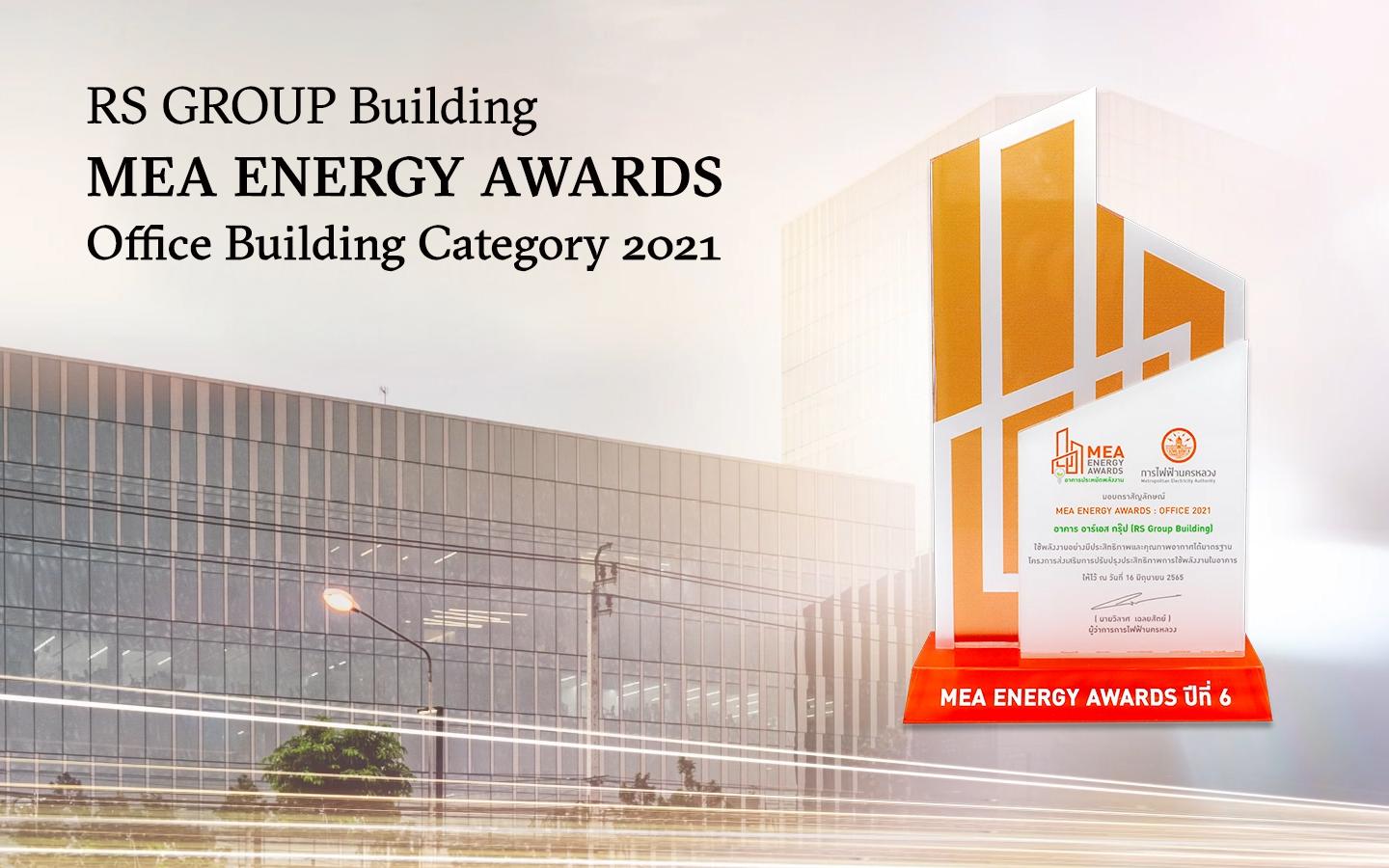 Based on the aforementioned evaluation results for electricity consumption efficiency and indoor air quality measurements, it can be concluded that "RS Group Building" has met both assessment criteria and received the MEA ENERGY AWARDS emblem in the office building category for 2021. The award plaque and emblem were received on June 16, 2022, signifying a building with "efficient energy use and standard air quality". The company plans to resubmit for review of these standards in 2026 to ensure continuous operation in a building that maintains good environmental standards.
"Employee Shuttle Bus Welfare"
Employees are considered one of the most crucial resources of an organization. Therefore, providing shuttle bus services for employees is an appropriate welfare benefit that helps reduce travel time, costs, and risks for employees, while also contributing to global warming reduction by decreasing energy consumption. In 2025, the company's operations are as follows:
Comparison of travel modes | Distance (kilometers) | Fuel (liters) | Equivalent (THB) | Greenhouse gas emissions (tCO2 eq) |
Travel by company vehicle | 8,712 | 968 | 31,479.36 | 2.59 |
Travel by motorcycle taxi | 139,392 | 13,939.20 | 596,312.49 | 32.20 |
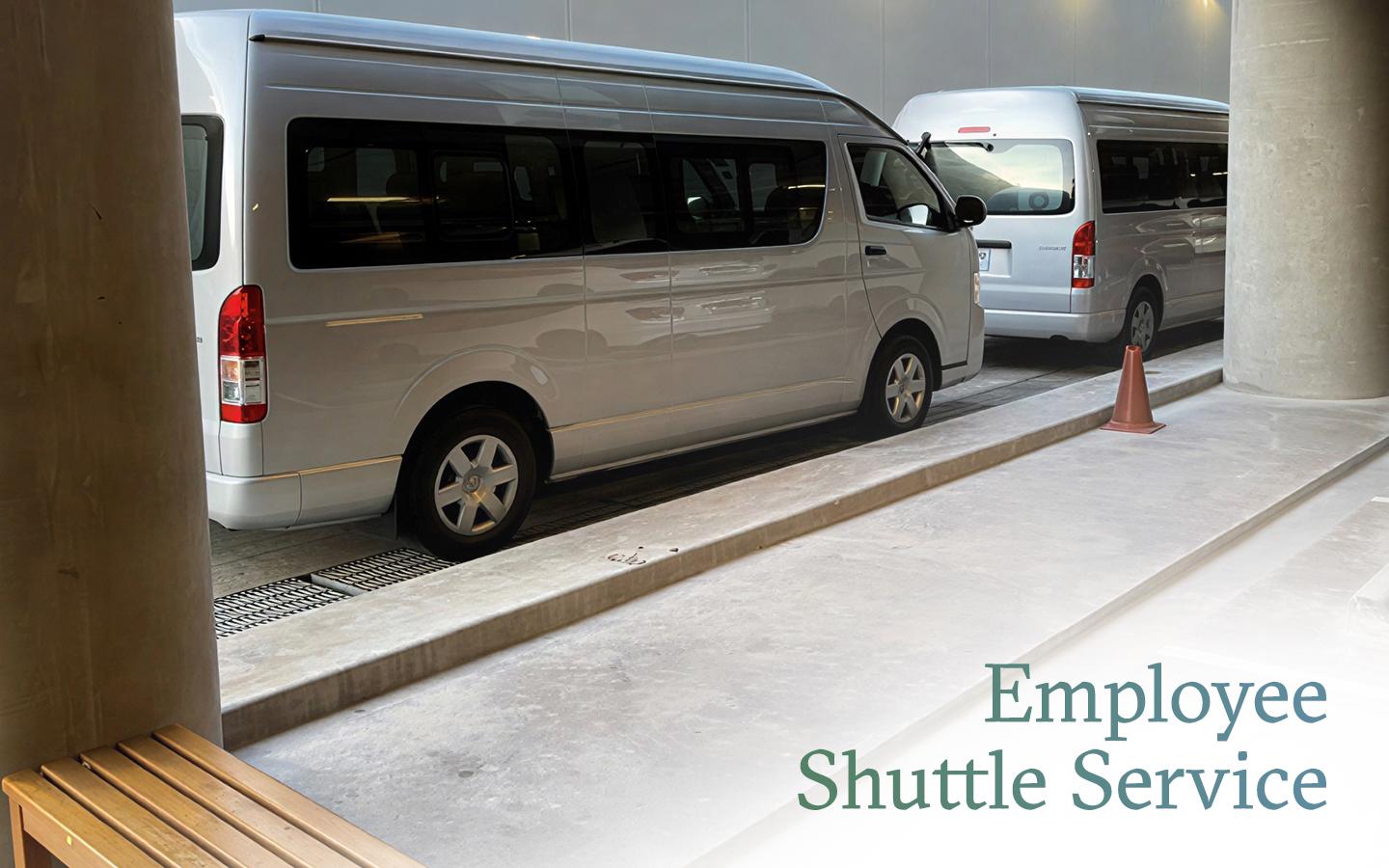
Therefore, by providing shuttle bus services for employees this year, despite increased costs for the company, it was able to reduce fuel consumption by 12,971.20 liters and greenhouse gas emissions by as much as 28,533.56 tCO2eq.
Water — Plan & Guidelines
Has a Water Management Plan
Yes
Plan Description
Concept for water management
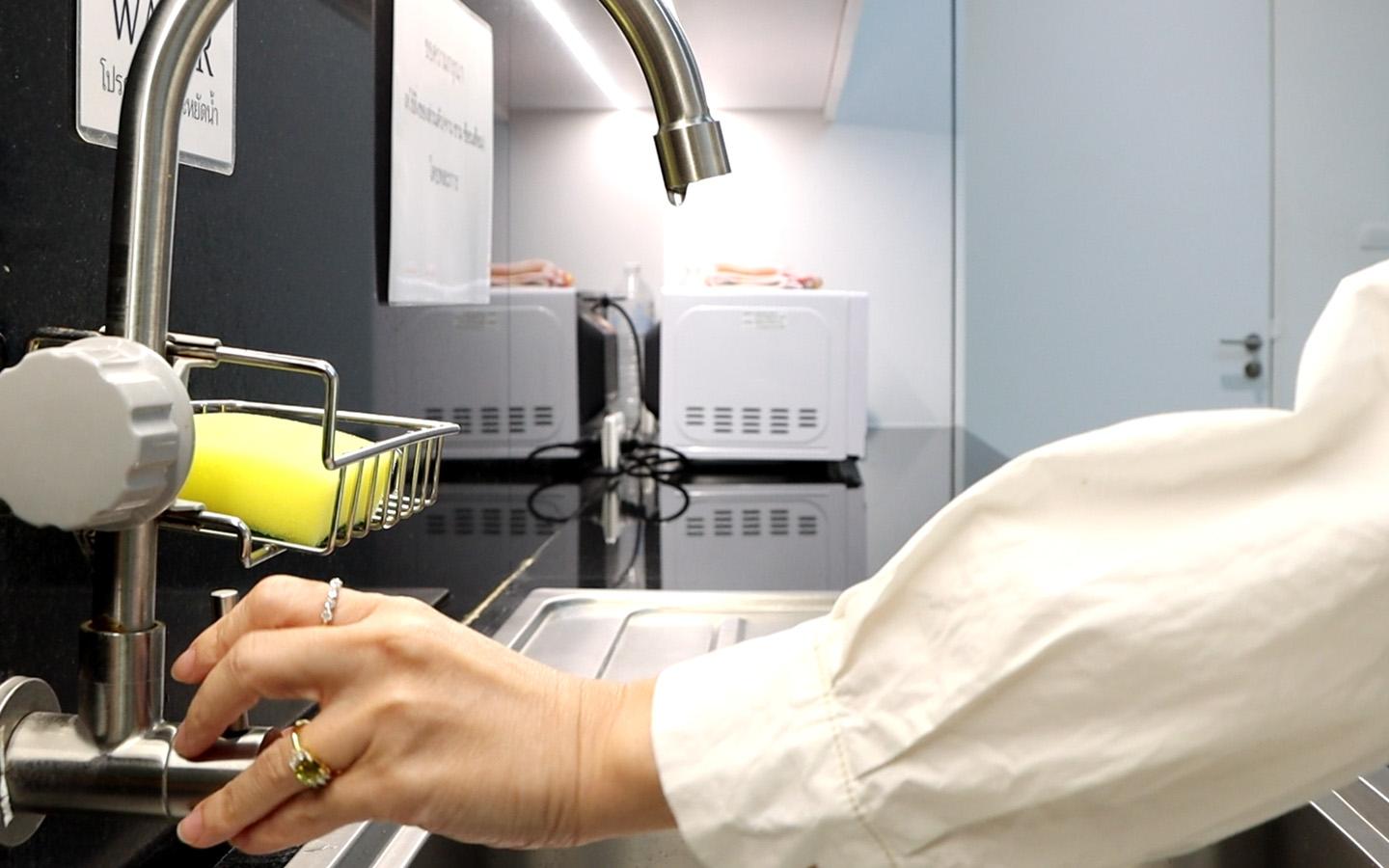
“Water” is a valuable global resource and a crucial production factor in the economic system. However, due to climate variability caused by global warming, water-related natural disasters occur more frequently and with greater intensity. Additionally, urban expansion, economic growth, and industrial zones lead to water scarcity, floods, and water pollution. Therefore, the Company prioritizes water management within the organization by using water wisely, encouraging all relevant departments to focus more on water reuse in production systems, and fostering a good consciousness for treating wastewater before discharging it into public drainage systems. This includes publicizing reminders for employees to turn off water whenever it is not in use, changing equipment to more water-efficient types, such as replacing faucets with automatic sensor models, and planning regular inspection and maintenance of the plumbing system to ensure its efficiency and readiness for use.
Guideline for water management in the office
Regularly check faucets, bidet sprays, and plumbing pipes for leaks and repair them immediately.
Do not dispose of food scraps, toilet paper, or any other items into sinks and toilets to prevent blockages and conserve water during flushing.
Choose water-saving sanitary ware and install water-reducing devices.
Use personal cups or water bottles instead of plastic cups as for use leftover drinking water to water plants.
Use water from the reservoir for watering plants and water them at appropriate times.
Organize campaigns and training sessions to educate employees on the importance of wise water usage.
Water — Withdrawal, Discharge & Consumption
Water Withdrawal, Discharge & Consumption
| Metric | Current Year | Previous Year | Two Years Ago |
|---|---|---|---|
| Total water withdrawal (Cubic meters) | 42,940 | 50,029 | 50,044 |
| Total water withdrawal by third-party water (Cubic meters) | 42,940 | 50,029 | 50,044 |
| Total water withdrawal by surface water (Cubic meters) | |||
| Total water withdrawal by groundwater (Cubic meters) | |||
| Total water withdrawal by seawater (Cubic meters) | |||
| Total water withdrawal by produced water (Cubic meters) | |||
| Percentage of wastewater treated before discharge (%) | |||
| Total water discharge (Cubic meters) | |||
| Total water discharge to third-party water (Cubic meters) | |||
| Total water discharge to surface water (Cubic meters) | |||
| Total water discharge to groundwater (Cubic meters) | |||
| Total water discharge to seawater (Cubic meters) | |||
| Total water consumption (Cubic meters) | 42,940 | 50,029 | 50,044 |
| Recycled water (Cubic meters) | 892 | 446 | 446 |
Water — Targets
Has Set Targets
Yes
Targets
| Target | Base Year | Base Year Value | Target Year | Target Year Value | Unit |
|---|---|---|---|---|---|
| Reduction of water withdrawal | 2,022 | 42,152 | 2,025 | 45,000 | Cubic meters |
Water — Performance & Outcomes
Has Performance Results
Yes
Performance Description
Performance for water management
The target is for the Company to use no more than 45,000 cubic meters of water by 2025 and to strive for more efficient water reuse projects.
Water usage target not exceeding 45,000 cubic meters | Year 2023 | Year 2024 | Year 2025 |
Volume comparison from previous year (cubic meters) | +7,892 | -15 | -7,089 |
Volume comparison against target (cubic meters) | +5,044 | +5,029 | -2,060 |
Water usage over the past 3 years and current year
Year 2022 | Year 2023 | Year 2024 | Year 2025 | |
Water Usage (cubic Meters) | 42,152 | 50,044 | 50,029 | 42,940 |
In 2025, water usage volume meet the set target, it was reduced compared to the previous year, which resulted from continuously implement water conservation campaigns within the office building.
Project for Water Conservation
This year, the Company implemented efficient water usage measures by channeling water from the fountain pond in front of the building into a treatment system and recirculating it for watering plants around the building. This represents another process adjustment that effectively reduces water resource loss and promotes reuse. However, the Company has reused water a volume of 446 cubic meters/time. In one year, 2 times per operations were conducted, totaling the amount of water treated and reused a volume of 892 cubic meters/year this has also been continuously implemented in parallel with campaigns to promote employees' awareness of the efficient use of water resources, with the aim of working together to achieve the targets set for the future.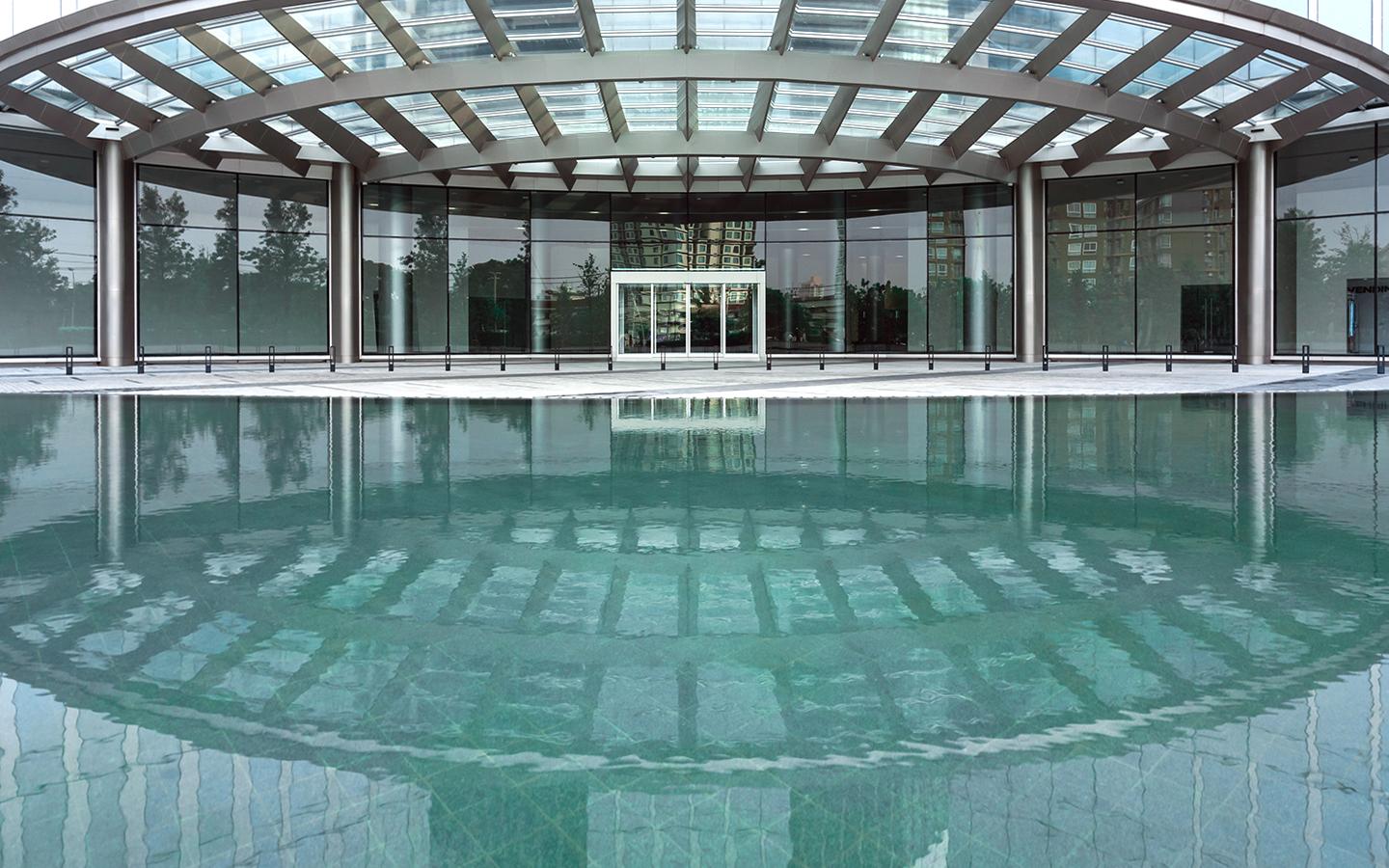
Waste — Plan & Guidelines
Has a Waste Management Plan
Yes
Plan Description
Policy for waste management in business processes
The company prioritizes the concept of a circular economy with the goal of reducing new waste generation. Reduce waste sent to landfills and increase reuse through efficient waste segregation within the organization. Support the adoption of technology to enhance efficiency and reduce waste in business processes as much as possible. The company remains committed to carefully developing its inventory management system to reduce the quantity of expired products in stock, which will contribute to reducing the amount of waste disposed of by landfilling. This is coupled with a plan to study and design environmentally friendly packaging including foster a culture and good awareness among employees regarding environmental impact.
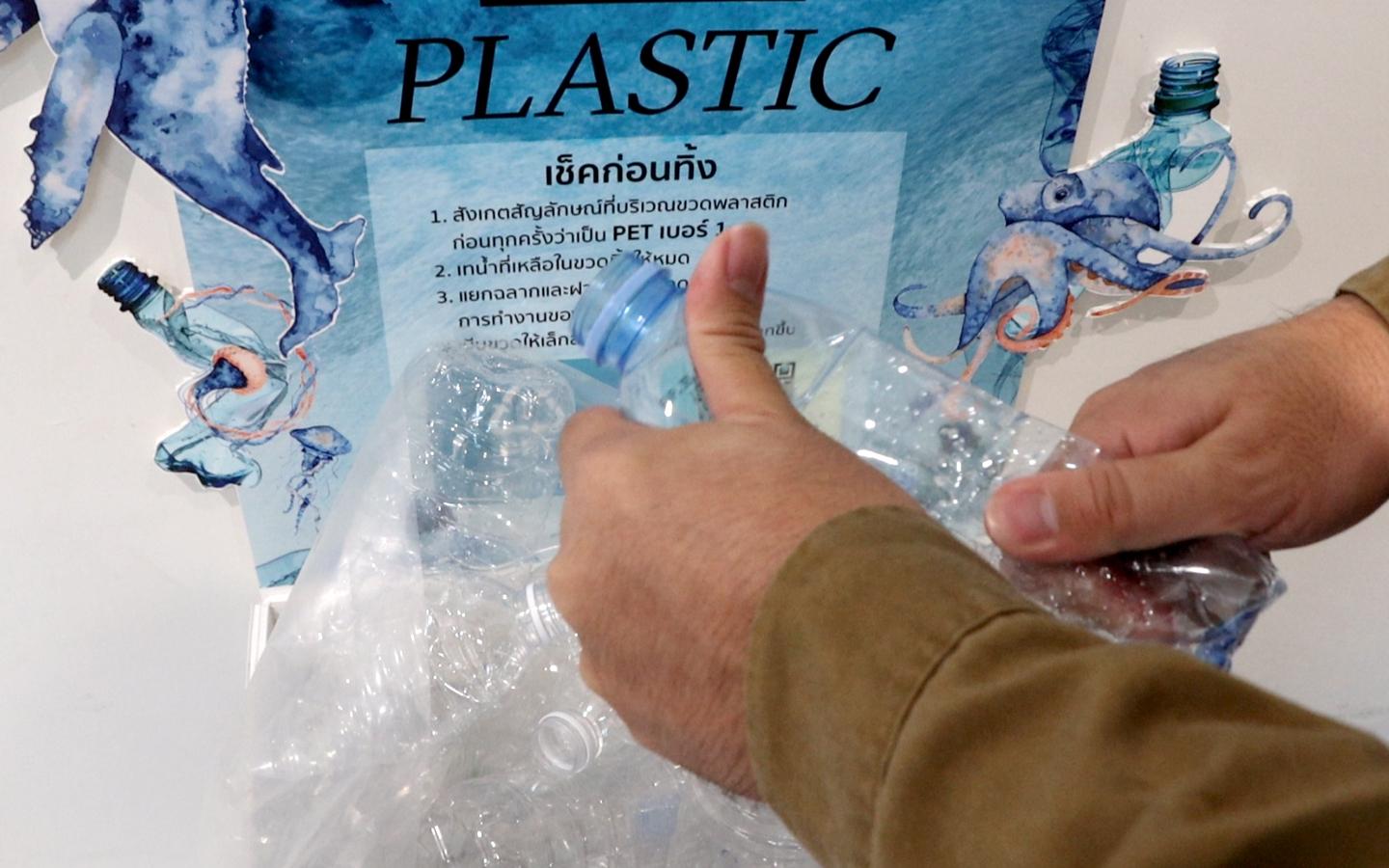
Guideline for waste management in business processes
Focus on improving production processes with automated technology to enhance output efficiency and reduce waste at the source.
Promote waste segregation at the source for proper collection and disposal.
Support the implementation of the 5Rs principles in all operational stages.
Emphasize strict management of hazardous waste to ensure no impact on communities and the planet.
Foster good awareness among employees through public relations and various activities.
Waste — Generation, Disposal & Recycling
Waste Generation, Disposal & Recycling
| Metric | Current Year | Previous Year | Two Years Ago | Remark |
|---|---|---|---|---|
| Total waste generated (Kilograms) | 15,980 | 14,000 | 39,000 | Quantity of goods disposed of by sanitary landfill in accordance with sanitary standards |
| Non-hazardous waste (Kilograms) | 15,980 | 14,000 | 39,000 | |
| Non-hazardous waste - Landfilling (Kilograms) | 15,980 | 14,000 | 39,000 | |
| Non-hazardous waste - Incineration (with energy recovery) (Kilograms) | ||||
| Non-hazardous waste - Incineration (without energy recovery) (Kilograms) | ||||
| Non-hazardous waste - Other disposal operations (Kilograms) | ||||
| Hazardous waste (Kilograms) | ||||
| Hazardous waste - Landfilling (Kilograms) | ||||
| Hazardous waste - Incineration (with energy recovery) (Kilograms) | ||||
| Hazardous waste - Incineration (without energy recovery) (Kilograms) | ||||
| Hazardous waste - Other disposal operations (Kilograms) | ||||
| Total reused/recycled waste (Kilograms) | 16,753 | 23,257 | 20,160 | |
| Reused/Recycled non-hazardous waste (Kilograms) | 16,753 | 23,257 | 20,160 | |
| Reused non-hazardous waste (Kilograms) | ||||
| Recycled non-hazardous waste (Kilograms) | 16,753 | 23,257 | 20,160 | |
| Reused/Recycled hazardous waste (Kilograms) | ||||
| Reused hazardous waste (Kilograms) | ||||
| Recycled hazardous waste (Kilograms) |
Waste — Targets
Has Set Targets
Yes
Targets
| Waste Type | Disposal Approach | Target | Base Year | Base Year Value | Target Year | Target Change (%) | Unit |
|---|---|---|---|---|---|---|---|
| Non-hazardous waste | 2760 · Description: Landfilling | Reduce waste volume | 2,023 | 39,000 | 2,029 | 10 | Kilograms |
Waste — Performance & Outcomes
Has Performance Results
Yes
Performance Description
Performance for the management of waste and non-hazardous waste
Type of landfill
The target is for the company to reduce the amount of non-hazardous waste and landfill by 10% by 2030, from a baseline of 39,000 kilograms, meaning it must not exceed 35,100 kilograms.
Target for landfill reduction: no more than 35,100 kilograms | Year 2024 | Year 2025 |
Comparison of quantity from previous year (kilograms) | -25,000 | +1,980 |
Comparison of quantity to target (kilograms) | -21,100 | -19,120 |
Landfill volume for the past 2 years and current year
Year 2023 | Year 2024 | Year 2025 | |
Landfilling (kilograms) | 39,000 | 14,000 | 15,980 |
Although in 2025, the landfill volume met the target and continued to show a downward trend, this was attributable to more efficient inventory clearance planning. In addition to its target of reducing the amount of waste sent to landfill, the Company has also continuously promoted waste segregation in order to maximize the amount of waste directed into the recycling process.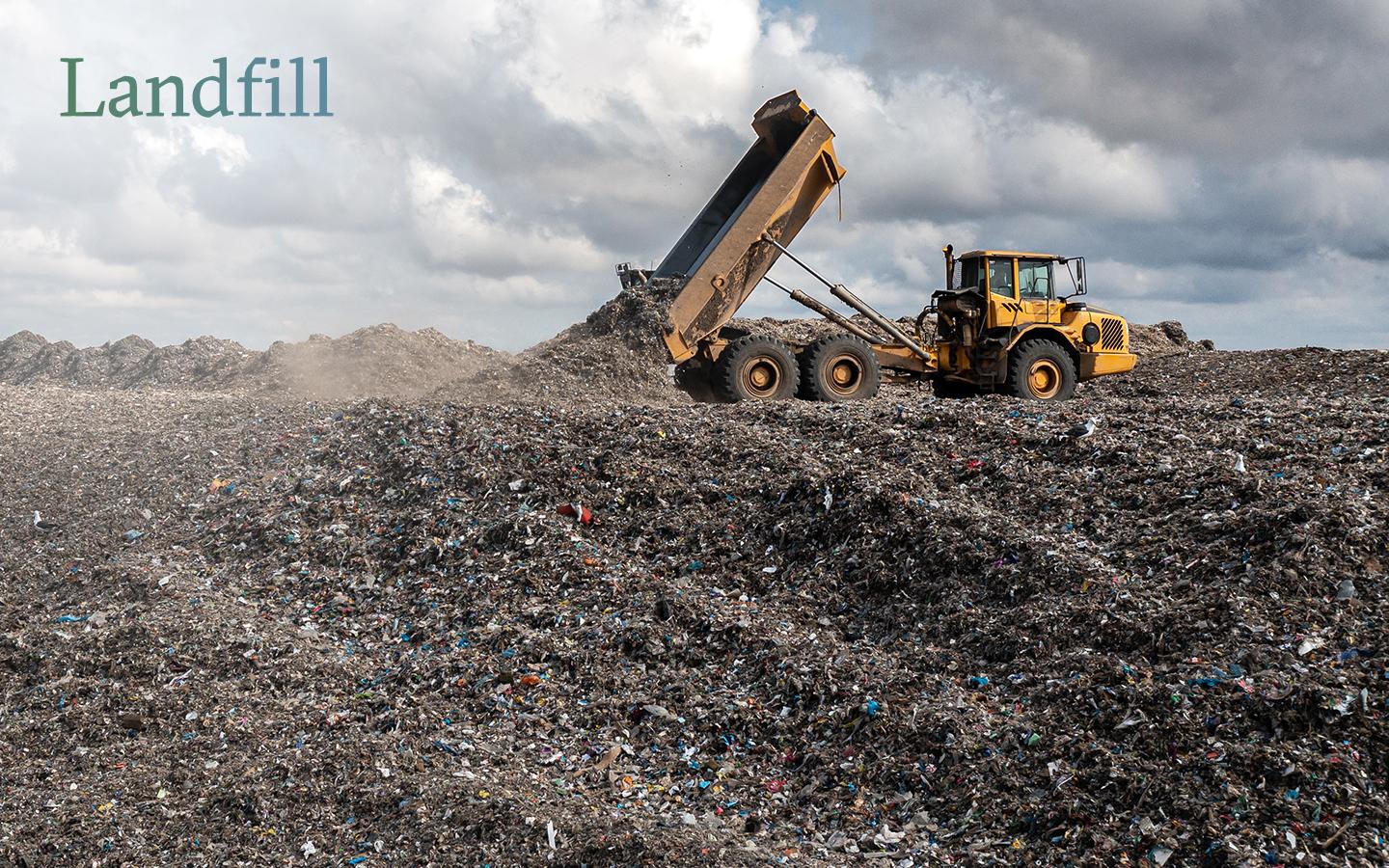
Type of recycling
The goal is for the company to segregate and recycle 15,000 kilograms of waste annually, and to continuously promote and transfer knowledge of proper waste segregation through more efficient business processes.
Target for annual waste recycling : no more 15,000 kilograms | Year 2023 | Year 2024 | Year 2025 |
Comparison of quantity from previous year (kilograms) | +1,097 | +3,097 | -6,504 |
Comparison of quantity to target (kilograms) | +5,160 | +8,257 | +1,753 |
Waste recycling volume for the past 3 years and current year
Year 2022 | Year 2023 | Year 2024 | Year 2025 | |
| 9,190 | 19,850 | 21,176 | 14,219 |
| - | 310 | 2,171 | 2,534 |
Total (kilograms) | 9,190 | 20,160 | 23,257 | 16,753 |
Notes:
Office paper and plastic waste segregation initiative
Waste segregation initiative for activities organized by business units
Although in 2025, the volume of waste managed for recycling met the set target, there might be a continuous downward trend. This is a result of improving work processes with more efficient technology, such as reducing document issuance steps by switching to computer-based record-keeping or increasingly utilizing various tools through relevant platforms.
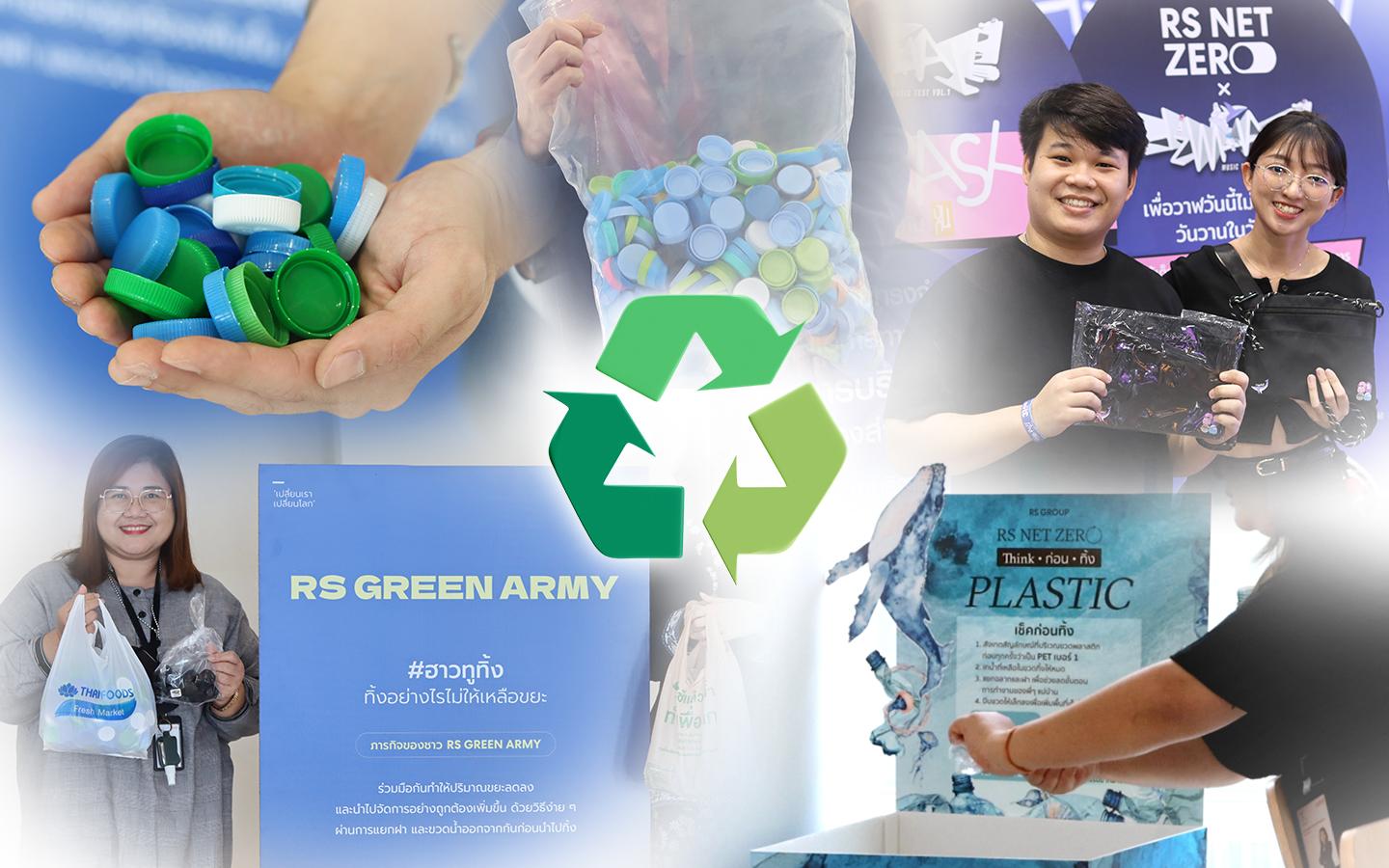
“RS Net Zero: How You Use, You Must Return”
RS Group prioritizes systematic environmental management in accordance with its committed sustainability framework, focusing on "Eco Effective & Waste Management." This involves reducing waste in business processes, lowering greenhouse gas emissions, and fostering a positive environmental consciousness that endures. This is achieved through the "RS Net Zero" concept, which connects economy, society, and environment, leveraging collaboration among employees and partnerships with expert organizations to create shared sustainable value through various activities,
as follows:
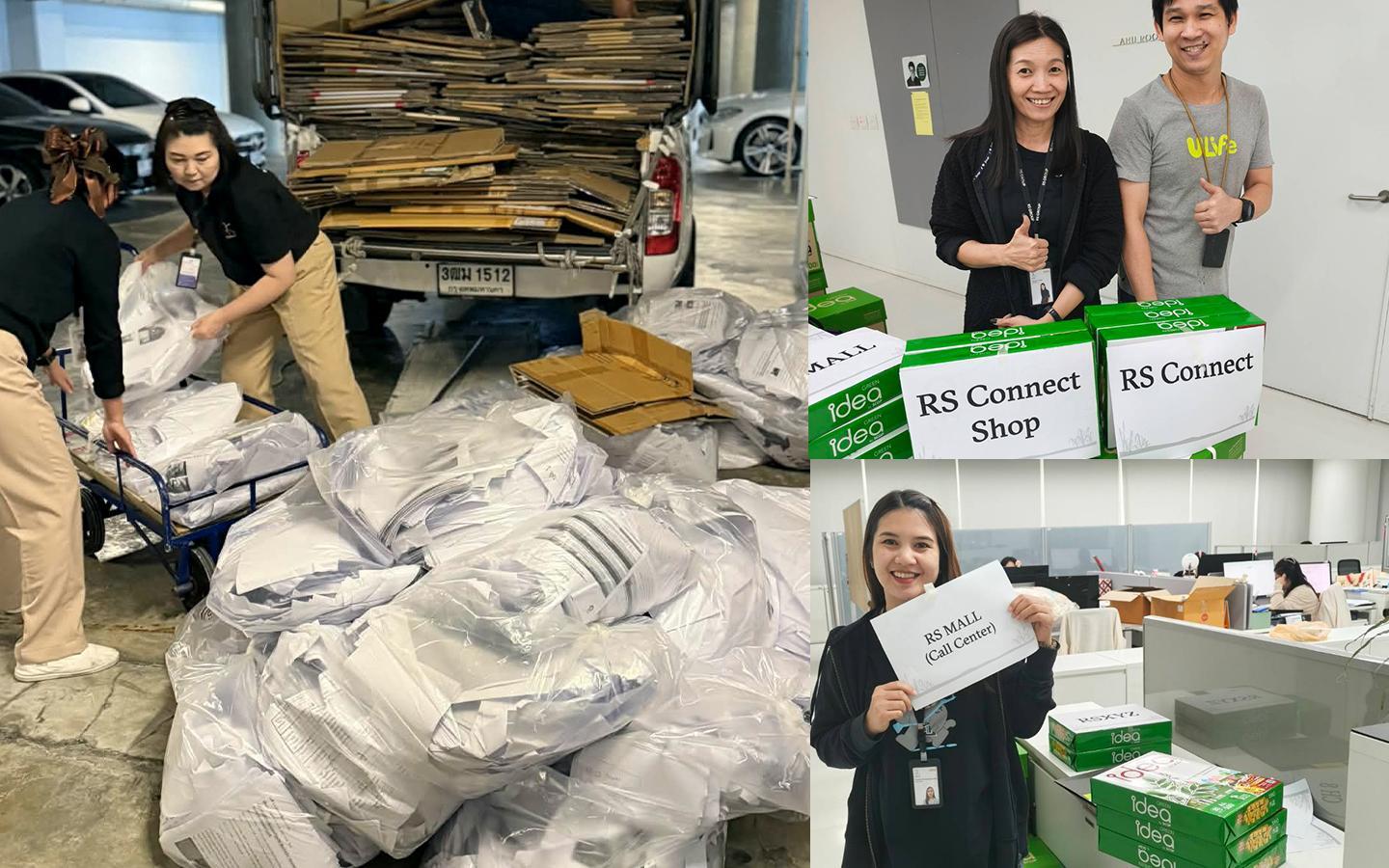
“RS NET ZERO: Paper Merci..Segregate, Exchange, Preserve”
Target group: All employees at the company's head office.
Implementation Period: From year 2020 onwards
Expectations:
Quantitatively, 10,000 kilograms of paper are sorted and recycled annually
Qualitatively, approximately 1,000 employees within the organization have a good awareness of paper sorting and know how to use resources efficiently.
Implementation:
The project is implemented in collaboration with SCG Packaging Public Company Limited, an expert partner that provides knowledge and understanding of proper paper segregation to the company.
Promote throughout the organization through activities and various communication channels, such as public announcement boards, internal emails, and employee desktop screens, to ensure all employees have correct knowledge of paper segregation.
Encourage all employees to participate in collecting used paper and placing it in designated paper collection boxes at various points.
Prepare operational performance reports and environmental reports for submission to the sub-committee and the company's board of directors.
Summary of Operations
Results of the "Paper Merci Segregate, Exchange, Preserve" Project
Year 2020-2022
Year 2023
Year 2024
Year 2025
Accumulated
Paper into the recycling process (kilograms)
18,000
19,270
21,100
13,980
72,350
Success compared to target of 10,000 kilograms (percentage)
60
193
211
140
121
Reduce tree felling (trees)
306
328
359
238
1,231
Reduce carbon dioxide emissions (kgCO2e)
12,239
13,104
14,348
79,316
119,007
Reduce water consumption (liters)
468,000
501,020
548,600
370,440
1,888,060
Reduce fuel consumption (liters)
25,200
26,978
29,540
3,132
84,850
Reduce electricity consumption (kilowatts)
72,000
77,080
84,400
91,387
324,867
New paper exchanged (sheets)
185,000
61,500
95,000
145,000
486,500
Representing cost savings (baht)
37,000
12,300
19,000
29,000
97,300
Note: 2,500 sheets = 500 Baht / In 2025, the calculation formula was adjusted by SCGP.
Therefore, 2025 is another year that the Company has distributed used paper from its operations back to various departments within the office to encourage everyone's participation in cost reduction and shared success. This initiative also promotes waste segregation at the source and the mindful use of resources in daily life for all employees.
“RS NET ZERO: Think Before You Throw Plastic”
A small but significant beginning: the journey of plastic bottles in the office towards environmental care. We initiated the "RS Net Zero: Think Before You Throw" project, encouraging employees to segregate PET plastic waste (symbol #1). Beyond the direct goal of source segregation and recycling, we also infused creative ideas into this plastic waste, resulting in "RS Net Zero bags" made from plastic fibers accumulated from bottle segregation throughout the year. All proceeds, without deduction of expenses, are donated to various environmental conservation support projects.
Target group: All employees at the company's head office.
Objective: To promote plastic segregation at the source by separating PET plastic waste from other waste, thereby increasing the rate and quality of plastic recycling in the country.
Implementation period: From 2022 onwards.
Expectations:
Quantitatively, 150 kilograms of plastic are sorted and recycled annually.
Qualitatively, approximately 1,000 employees within the organization have a good awareness of plastic sorting and know how to use resources efficiently.
Implementation:
The project is implemented in collaboration with Recycle Day Group or other expert partners who provide knowledge and understanding of plastic segregation.
Promote throughout the organization through activities and various media communications to ensure all employees have correct knowledge of plastic segregation.
Encourage all employees to participate in collecting used plastic and placing it in designated collection boxes at various points.
Assess the value of plastic, process it, and return benefits to society and the environment in various appropriate forms.
Summary of operations:
Results of the "Think before Trash" Project | Year 2022 | Year 2023 | Year 2024 | Year 2025 | Accumulated |
Plastic into the recycling process (kilograms) | 340 | 580 | 76 | 239 | 1,235 |
Success compared to target of 150 kg. (percentage) | 227 | 386 | 50 | 160 | 205 |
Reduce tree felling (trees) | 33 | 56 | 7 | 23 | 119 |
Reduce carbon dioxide emissions (kgCO2e) | 322 | 549 | 72 | 226 | 1,168 |
Therefore, 2025 is another year that this project was successfully implemented with a success rate of 160% compared to the target, and has distributed funds a total of 134,160 Baht was donated to the "Whales in Our Hearts" project for the conservation of Bryde's whales and rare marine animals, through the Faculty of Fisheries, Kasetsart University, which is revenue from the sale of bags made from recycled fibers in the RS Net Zero project, which is committed to creating change for society and the environment. This includes promoting waste segregation at the source and the mindful use of resources in daily life for all employees, while also focusing on integrating business process adjustments with sound environmental management.
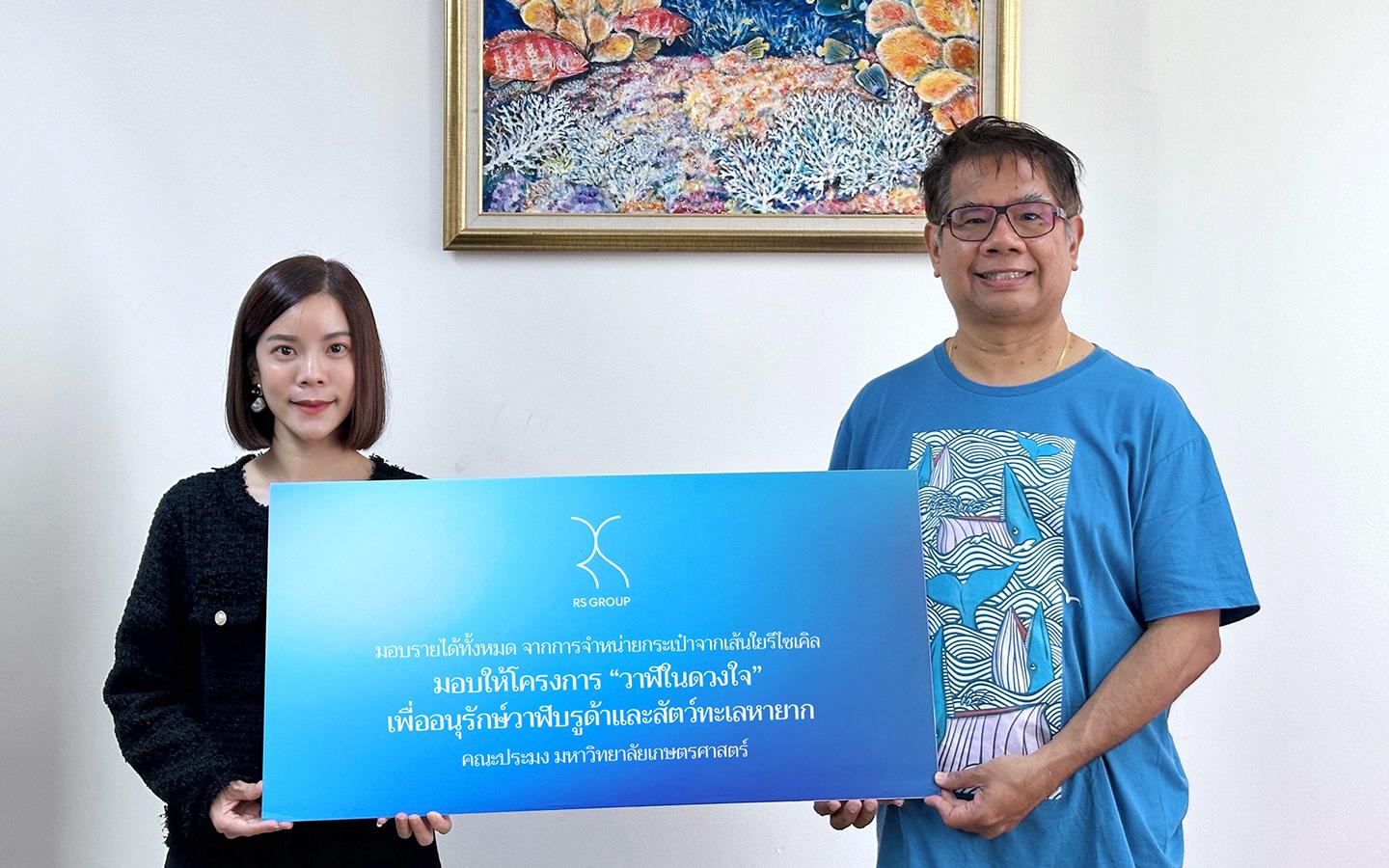
"RS NET ZERO: RS Low Carbon Event 2025"
Beyond the entertainment provided through various activities for the audience, the company has enhanced and elevated event organization by implementing on-site waste segregation. The RS NET ZERO waste segregation process is based on maximizing greenhouse gas emission reduction. Therefore, in addition to segregating by type, we also ensure proper disposal. The "COOL Summer Fest 2025 and COOL Windy Fest 2025" events demonstrate the company's full commitment to establishing a standard for event organization that prioritizes waste reduction and optimal segregation.
The transition from general activities to a low-carbon music festival was carried out in collaboration with leading environmental partner organizations: 1. The Green House, responsible for waste management at the event, including proper disposal into the system, and 2. The Specialized Center for Environmentally Friendly Business Strategies, Faculty of Environment, Kasetsart University, or VGreen, which served as a consultant for greenhouse gas management. In addition to preventing waste from entering the sea, strict waste management processes were implemented at the event, adhering to Net Zero principles by avoiding landfilling, which is a primary source of greenhouse gas emissions. Therefore, each type of waste was directly sent to the responsible agencies or individuals for proper management.
Target group: All event participants, approximately 10,000 - 15,000 people per year.
Objective: To promote and foster good awareness of waste segregation and proper disposal.
Expectations:
Quantitatively, segregate and recycle 2,000 kilograms of plastic annually.
Qualitatively, the company has transferred knowledge to approximately 10,000-15,000 event participants, fostering a good awareness of waste segregation.

Project Operations: How to "Organize an Eco-Friendly Event that Audiences Love"
RS Group wishes to share a "How-to Guide for Eco-Friendly Events" that everyone can further develop or adapt for their own businesses. The area is meticulously designed to ensure no waste escapes to negatively impact our planet.
Clear and well-defined entry and exit points shall be provided, together with supervisory personnel to maintain cleanliness and ensure a positive event image.
Adequate and comprehensive waste segregation points shall be established to ensure easy and convenient access for all participants, with clear communication to promote a shared objective.
Vendors and sponsors shall be engaged and encouraged to participate in waste segregation within the event. Active participation and a shared understanding of common goals are essential to the successful implementation of a Low Carbon Event.
Waste segregation bins shall be clearly designed and easy to understand for each waste category to ensure proper sorting. Waste disposal points shall be comprehensively provided throughout the event area to facilitate efficient collection and transfer to subsequent processing stages. Dedicated staff shall be stationed at each point to promote awareness and provide guidance on waste segregation, as detailed below:
FOOD WASTE: For disposing of leftover food scraps such as rice, meatballs, vegetables, fruits, snacks, etc.BOTTLES / CANS: For disposing of PET1 plastic bottles and recyclable aluminum cans only.
OTHERS: For disposing of other non-recyclable waste, such as food containers, water glasses, snack wrappers, etc.
At least one staff member shall be assigned to each waste segregation point to provide guidance. The presence of staff helps reduce contamination and also serves as basic education on proper waste segregation, enabling appropriate downstream waste management.
For recyclable waste, it is recommended to engage local informal recyclers to ensure that properly segregated waste is effectively integrated into the recycling system, while also reducing transportation costs.
Food waste shall be transferred to relevant organizations for processing into organic fertilizer, thereby reducing incineration or landfill disposal that contributes to greenhouse gas emissions.
Non-recyclable waste shall be delivered to N15 Technology for conversion into alternative fuel, with records maintained on waste segregation data.
Each waste category shall be weighed, as the data can be used to calculate and quantitatively assess the reduction in greenhouse gas emissions.
The results of the greenhouse gas reduction calculations may serve as motivation and guidance for improving waste management practices in future events
Summary of Operations:
Results of the "RS Low Carbon Event" Project | Year 2023 | Year 2024 | Year 2025 | Accumulated |
Waste that has been sorted at the source (kilograms) | 1,248 | 2,081 | 2,534 | 4,925 |
Success compared to target of : 2,000 kg./year (percentage) | 62 | 105 | 127 | 82 |
Reduce tree felling (trees) | 120 | 201 | 244 | 565 |
Reduce carbon dioxide emissions (kgCO2e) | 1,872 | 3,122 | 3,801 | 8,795 |
Participants (person) | 5,000 | 23,000 | 26,000 | 54,000 |
Therefore, 2025 is another year that this project was successfully implemented with a success rate of ....% compared to the target.
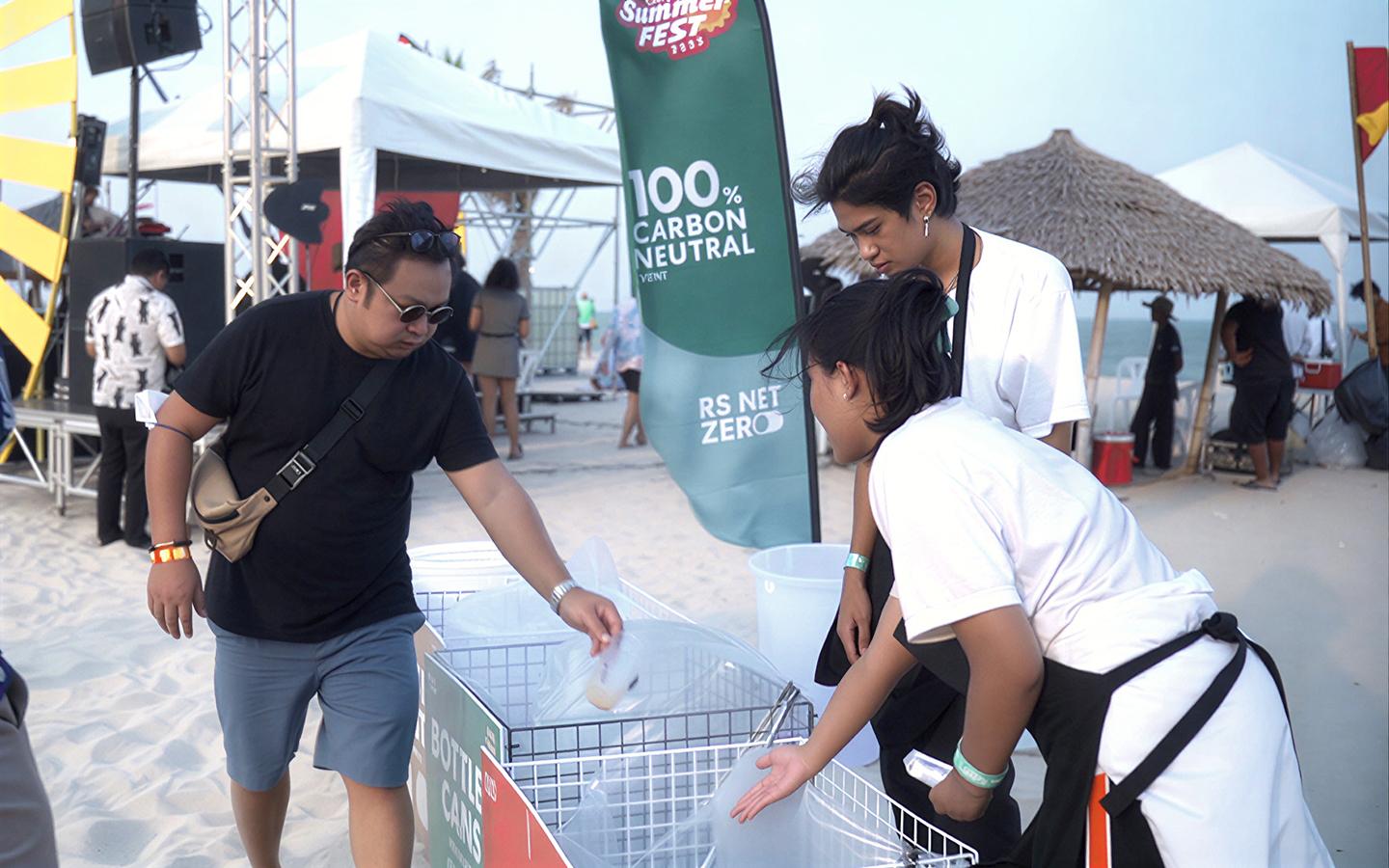
GHG — Plan & Guidelines
Introduction
Policy for climate change management
The company recognizes both the direct and indirect impacts of climate change and the importance of fostering collaboration throughout its business value chain. To align with its policies on service quality management, health and safety care, and energy management, the company prioritizes increasing the proportion of technology usage for social and environmental benefits, utilizing clean energy, committing to transforming production processes, and efficiently using resources, which collectively represent changes that genuinely contribute to reducing greenhouse gas emissions.
The Corporate Governance and Sustainability Committee, which is responsible for overseeing and managing risks or opportunities related to climate change, conducted an initial review and submits it to the Board of Directors' meeting for joint consideration in defining short-term, long-term strategies, and operational directions in response to changing circumstances. An annual assessment of key sustainability issues and climate change risks is conducted to establish targets and strategies aligned with prevailing conditions, including the definition of key performance indicators to monitor climate change initiatives. The company has integrated the roles and responsibilities of directors and senior executives in overseeing climate change management as part of their annual performance evaluations, along with establishing activity plans that align with sustainable organizational development guidelines. The Sustainable Development Working Group reports its operational results to the Corporate Governance and Sustainable Development Committee, which then reports to the Board of Directors for acknowledgment.

Guideline for climate change anagement
Strictly comply with all applicable laws, regulations, and requirements related to climate management.
Regularly review policies, objectives, management plans, risk assessments, and identify material climate-related issues on an ongoing basis.
Support the adoption of technologies and the improvement of operational processes in alignment with international policies and standards.
Promote knowledge development and encourage the organization of activities that appropriately and effectively address climate management considerations.
Monitor progress, benchmark performance against established targets, and analyze opportunities for corrective and continuous improvement.
Disclose the Company’s climate management information accurately and transparently through appropriate communication channels.
Impact assessment for climate change
Currently, global warming poses a significant challenge to daily life and business operations. As a provider of products aimed at enhancing the quality of life for people in society, the company must assess the impacts of climate change that could affect business operations, particularly if resources are used inefficiently or if there are no proactive plans to mitigate potential impacts. For instance, severe droughts could lead to water shortages in raw material production processes, or floods could result in loss of life and property, or impede transportation. Additionally, significant temperature fluctuations could affect the heating and cooling capabilities of manufacturing plants.
The Thailand Greenhouse Gas Management Organization (Public Organization) has developed a pilot project for the Thailand Voluntary Emission Trading Scheme (T-VETS). The company recognizes the risk that if greenhouse gas emissions exceed the specified level, emission allowances will need to be purchased, which could lead to increased business costs. However, the company has continuously initiated projects for the efficient use of resources, setting annual targets to identify approaches for reducing greenhouse gas emissions and striving to modify business processes, which will significantly alleviate this burden. Climate Change Risk Assessment: The company acknowledges the risks and impacts of climate change and therefore pursues two approaches: assessing risks and developing mitigation measures for such changes, and reducing the impact on climate change, thereby demonstrating its commitment as an environmentally and socially responsible organization.
Has a GHG Management Plan
Yes
Plan Description
RS Road to Zero: The path to net-zero greenhouse gas emissions
As Thailand has signed the Paris Agreement on climate change, which mandates signatory countries to achieve net-zero greenhouse gas emissions by 2050, RS Group, as an organization with the business goal of "Life Enriching" or elevating all dimensions of life, is not merely focused on delivering entertainment and diverse products to consumers. It also encompasses conducting business with care and concern for the environment. The agenda of climate change is a critical issue that requires immediate and continuous action.
Starting from 2024 and continuing thereafter, the Company has undertaken various activities within the framework of driving the organization with the 2R2S strategy, aiming for the RS Net Zero pathway. This is to push the organization to reduce greenhouse gas emissions by 10% by 2030 (from the 2024 baseline), with the ultimate goal of achieving net-zero greenhouse gas emissions by 2050. This transformation will position RS Group as a future-ready organization, strong in all aspects, while simultaneously fulfilling its core social and environmental missions.
In 2025, the Company recognized the risks associated with climate change and the impacts of greenhouse gases and various natural disasters, which are crucial factors that can affect the Company's business operations and potentially cause direct disruptions to the value chain. Therefore, the Company has accelerated the dissemination of this knowledge to relevant stakeholders to promote the roles and responsibilities of directors and senior executives in effectively overseeing climate change governance in the future. Key actions undertaken include:
Mitigation for climate change
The Company prioritizes seeking and developing approaches to participate in mitigating and adapting to ongoing changes. Currently, greenhouse gas emissions from various business sectors are continuously increasing, leading to a rise in global temperatures. This also causes severe climate variability, fluctuating and changing seasons, and rising sea levels, which impact housing security and the availability of raw materials for medicines and food. Consequently, the quantity and quality of agricultural produce fluctuate with climatic conditions. This may affects the livelihoods of people in society and the Company's operations.
Mitigation approaches related to natural raw material management
Vitanature+ (Vitanature Plus) Believing in the power of nature and focusing on integrating herbs and international wisdom with advanced innovation to develop products that meet the health needs of every family member under the concept of “Living the Wisdom of Nature.” The COVID-19 situation has led to a continuous growth in the health-conscious trend.
Given that Vitanature+ is a brand of dietary supplements emphasizing natural extracts. This is considered a significant part of the Company's commerce business revenue, especially in the beverage market, which grows in value every year, along with the rising trend of sugar-free beverage consumption. Examples include Vitanature+ Mulberry Tea (mulberry leaf tea) blended with Bael fruit, a healthy herbal tea that can be consumed daily as it contains no caffeine, no sugar, and no calories. It is rich in minerals and vitamins, helping to reduce blood sugar levels, decrease inflammation, boost the immune system, and aid digestion. Furthermore, it is certified by the U.S. National Organic Program (NOP) or USDA and the European Union (EU) organic standards. This organic mulberry leaf herbal tea is meticulously cared for from the planting stage, using good mulberry varieties grown in good soil, good air, and at optimal temperatures, resulting in perfect, large, thick, and strong mulberry leaves. Produced by experts, it yields high-quality tea with high concentrations of active compounds. The leaves used to produce mulberry tea offer an exceptionally good taste and aroma, providing full benefits to the body.
Or Vitanature+ in capsule form, which there are various formulas for specific health care, such as eye nourishment (Lutein, Bilberry), brain nourishment and energy (V-Multi Vitamin Gummy), liver nourishment (Triphala), bone and joint nourishment (Black Sesame Oil, Perilla Oil), and anti-aging (D-NAX9). Each formula emphasizes different components, such as black sesame oil, Triphala extract, lutein, and various B vitamins. To address the diverse health concerns of consumers.
Should these critical raw materials become scarce and unable to be incorporated into the production process, it could impact the sales of this product. The growth target for this product is set to align with the overall brand target of 30-40% over the next three years. Furthermore, if there are changes in government regulations prohibiting the cultivation of this plant due to its impact on climate or any other reason, it could similarly affect the production of products reliant on these natural raw materials.
In 2025, the Company conducted an assessment of key partners responsible for manufacturing this product, utilizing ESG assessment forms in conjunction with on-site audits. This involves a comprehensive evaluation from upstream to downstream, including verifying the source of raw materials, cultivation processes, raw material selection, factory production, packaging, quality inspection, transportation. Furthermore, the factory must prioritize climate change, conduct human rights assessments, and have robust plans in place to address various natural occurrences. This ensures that the Company receives products delivered accurately and completely in terms of quantity, time, and quality as per the agreed contract. However, for the production of all products, the Company selects and contracts licensed and specialized factories to act as original equipment manufacturers (OEMs). By selecting manufacturing facilities that meet standards, can efficiently source and manage raw material inventory, and must emphasizes meticulous operational planning for sourcing raw materials both domestically and internationally to ensure production quantities align with the Company's strategic plan. Currently, there is a minimum raw material reserve for three months of production, along with a list of backup factories that meet the same production standards. To ensure that the Company can deliver products sufficiently to meet consumer demand and continue to generate revenue for the Company, even during periods of climate change or any policy changes from the government.
Mitigation approaches related to natural venue management
Cool Summer Fest and Cool Windy Fest are annual outdoor concert events, which constitute a significant portion of the Company's entertainment business revenue. These events rotate venues depending on the event theme and venue availability at the time. For instance, in 2025, events were held in Cha-am, Phetchaburi Province, and Pattaya, Chonburi Province, to diversify activities and expand the participant base in each area.
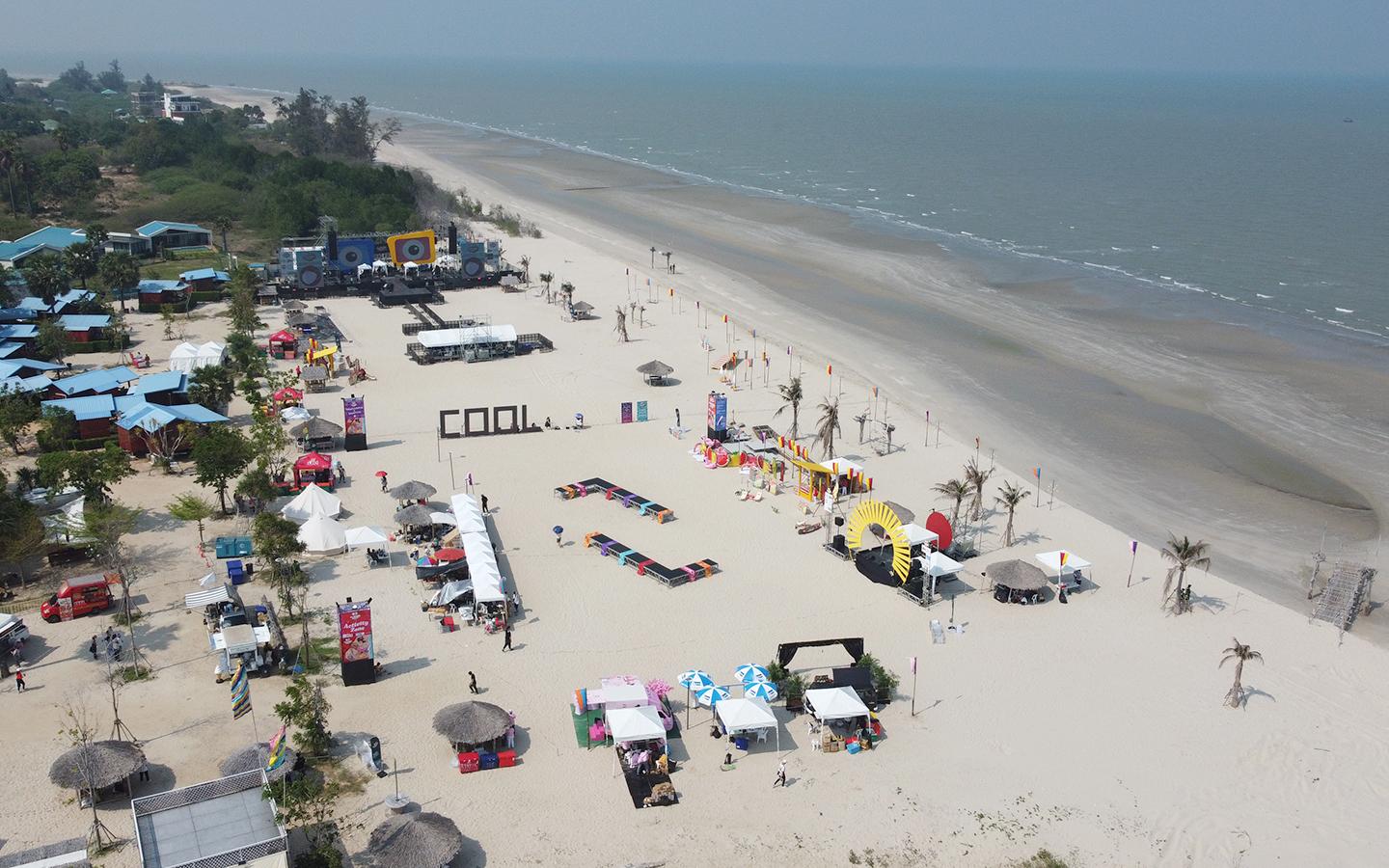
For such events, the Company selects primary venues and plans for suitable alternative outdoor locations, distributed across different regions and geographical areas. For example, if the Company chooses to host an event in Chonburi Province, with the primary location being Pattaya Beach, a contingency plan would involve relocating from the beachfront to the hillside area of Laem Bali Hai, or moving to another region such as Cha-am Beach in Phetchaburi Province. This ensures that activities can still be held appropriately to meet the needs of participants and that the Company can continue to generate revenue, even during periods of climate change that may lead to natural disasters.
GHG — Emissions
GHG Emissions
| Metric | Current Year | Previous Year | Two Years Ago |
|---|---|---|---|
| Total GHG emissions (Metric tonnes of carbon dioxide equivalent) | 2,877.32 | 3,433.07 | 3,450.9 |
| Total greenhouse gas emissions 1 (Metric tonnes of carbon dioxide equivalent) | 416.9 | 492.25 | 355.63 |
| Total greenhouse gas emissions 2 (Metric tonnes of carbon dioxide equivalent) | 2,388.56 | 2,925.91 | 3,062.39 |
| Total greenhouse gas emissions 3 (Metric tonnes of carbon dioxide equivalent) | 71.86 | 14.91 | 32.88 |
GHG — Emissions Verification
Emissions Verified by a Third Party
No
GHG — Principles & Standards
Principles & Standards Applied
| Standard |
|---|
| 2671 |
GHG — Targets
Has Set GHG Targets
Yes
GHG Targets — Net Zero
Net Zero Targets
| Emission Scope | Base Year | Base Year Emissions | Near-term Target Year | Near-term Target Value | Near-term Target Change (%) | Long-term Target Year | Long-term Target Value | Long-term Target Change (%) | Target Year | Target Year Emissions | Target Change (%) | Unit |
|---|---|---|---|---|---|---|---|---|---|---|---|---|
| 2717 | 2,024 | 492,262 | 2,030 | 49,226 | 10 | 2,050 | 492,262 | 100 | 2,030 | 49,226 | 10 | Metric tonnes of carbon dioxide equivalent |
| 2718 | 2,024 | 2,926,441 | 2,030 | 292,644 | 10 | 2,050 | 2,926,441 | 100 | 2,030 | 292,644 | 10 | Metric tonnes of carbon dioxide equivalent |
| 2719 | 2,024 | 32,882 | 2,030 | 3,288 | 10 | 2,050 | 32,882 | 100 | 2,030 | 3,288 | 10 | Metric tonnes of carbon dioxide equivalent |
GHG Targets — Other Targets
Introduction
Our Goals, Global Goals
The COP meetings have been held annually since 1995, aiming to allow member states to collectively determine the direction of global climate change actions and serve as a platform for leaders of various countries to express their intentions or commitments to address climate change. This began with Thailand, through the Minister of Natural Resources and Environment, expressing its intention to implement Nationally Appropriate Mitigation Actions (NAMAs Pledge) at the 20th Conference of the Parties to the Convention in Lima, Peru. It was stated that by 2020, Thailand would reduce domestic greenhouse gas emissions by 7-20% in the energy and transport sectors, below the Business as Usual (BAU) level. Subsequently, on April 22, 2016, Thailand signed the Paris Agreement (COP21) and ratified its participation as a party to the Paris Agreement on September 21, 2016. At COP21, the global community collectively set a long-term goal: to keep the increase in global average temperature to well below 2 degrees Celsius above pre-industrial levels and to pursue efforts to limit the temperature increase to 1.5 degrees Celsius. Currently, Thailand is operating under the greenhouse gas reduction targets submitted to the international community (Nationally Determined Contribution – NDC), aiming to reduce greenhouse gas emissions by 20-25% from the BAU scenario by 2030.

Subsequently, the 26th Conference of the Parties to the United Nations Framework Convention on Climate Change,
or COP26, was held from October 31 to November 12, 2021, in Glasgow, United Kingdom, with the Prime Minister attending as the head of the Thai government delivered a statement affirming that Thailand attaches the highest importance to addressing climate change and is prepared to elevate its operations towards achieving carbon neutrality by 2050 and net-zero greenhouse gas emissions by 2065. Provided that full and equitable financial and technological support is received, along with capacity building through international cooperation and other mechanisms under the Convention framework, Thailand will be able to raise its Nationally Determined Contribution (NDC) target to 40% and aim for Thailand's net-zero greenhouse gas emissions by 2050.
Furthermore, the Prime Minister mentioned the adoption of the Bio-Circular-Green (BCG) Economy concept as a national strategy to shift the paradigm of economic development with consideration for ecosystems. He emphasized the necessity for everyone to collaborate, stating that Thailand is ready to cooperate with international communities because "we have no Plan B" to heal the climate, and "we have no Planet B" to call home like this one. Thailand's climate change policies and plans, established as part of the 20-year National Strategy (2018-2037), focus on fostering sustainable growth within a climate-friendly economy through
Reducing greenhouse gas emissions
Adaptation to climate change
Climate-friendly investments
Responding to emerging/re-emerging diseases due to climate change
Sustainable for reduction for climate change impacts
To prevent the global population, including Thailand, from suffering severe impacts from the aforementioned global changes, we should cooperate in maintaining natural balance indefinitely through the following net-zero greenhouse gas emission reduction measures:
Energy and Transport
Improve energy efficiency / technology transformation such as Electric Vehicles (EV), Carbon Capture and Storage (CCS), Carbon Capture Utilization and Storage (CCUS), Bio-Energy with CCS (BECCS).
Increase the proportion of renewable energy used for electricity and heat generation.
Enhance energy efficiency in the electricity sector.
Develop infrastructure to support technological transition through the 4D1E policy.
Utilize renewable energy in vehicles (ethanol and biodiesel).
Industrial processes and product use
Use of clinker substitutes in the production of hydraulic cement and ready-mixed concrete and the application
of technology to reduce CO2 emissions in cement production processes.Methane management in industrial production processes.
Transition to refrigerants with low GWP, such as natural refrigerants.
Industrial wastewater management by increasing biogas production from industrial wastewater through methane recovery and utilization.
Waste
Community waste management, such as
Reduce waste volume.
Incinerate or utilize gas from municipal solid waste landfills (Landfill Gas).
Convert organic waste into compost (Composting).
Community wastewater management
Increase wastewater collection into the system.
Increase the number of community-wide wastewater treatment systems.
Agriculture
Manage animal waste and fermentation in animal digestive systems.
Sustainable agriculture.
Low-greenhouse gas emission crop cultivation.
Forestry and land use
Reforestation and natural forest restoration
Plant economic forests
Increase green spaces in urban and rural areas.
Prevent forest encroachment and forest fires
Other GHG Targets
| Emission Scope | Base Year | Base Year Emissions | Near-term Target Year | Near-term Target Change (%) | Long-term Target Year | Long-term Target Change (%) | Target Year | Target Change (%) | Unit |
|---|---|---|---|---|---|---|---|---|---|
| 2717 | 2,024 | 492,262 | 2,025 | 2 | 2,029 | 10 | 2,025 | 2 | Metric tonnes of carbon dioxide equivalent |
| 2718 | 2,024 | 2,926,441 | 2,025 | 10 | 2,029 | 10 | 2,025 | 10 | Metric tonnes of carbon dioxide equivalent |
| 2719 | 2,024 | 32,882 | 2,025 | 10 | 2,029 | 10 | 2,025 | 10 | Metric tonnes of carbon dioxide equivalent |
GHG — Performance & Outcomes
Has Performance Results
Yes
Performance Description
Other operational results
The Company is currently compiling greenhouse gas emission data and has initiated short-term strategies from 2023 through 2025, setting targets to reduce indirect greenhouse gas emissions, decrease landfill waste, increase the proportion of environmentally friendly packaging designs, and reduce energy consumption through energy conservation and efficiency improvement projects. In addition to efficient production process management, the Company also emphasizes the development of "Sustainable Products" to foster customer and consumer participation in mitigating social and environmental impacts, as well as promoting biodiversity protection.
"RS Green Meetings"
In 2025, the Company primarily conducted various meetings via electronic means, including shareholder meetings 1 time and board of directors meetings 6 times by considering the most efficient use of resources while minimizing environmental impact. This event was conducted in accordance with the "6 Care" measures, resulting in the following outcomes:
• Reduced paper usage from shareholder meetings by 575,000 sheets and reduced paper usage from board of directors meetings, a total of 3,150 sheets, resulting in a total paper reduction of 578,150 sheets, or saving 40 trees.
• Reduced participant travel from 150 people to no more than 20 people.
• Ceased decorating venues with foam and plastic.
• Ceased serving snacks to attendees at meetings.
• Ceased using fresh flowers for meeting room decoration.
Award for contributions to student activities from Kasetsart University
Kasetsart University presented an honorary award to express gratitude to RS Group for its support of student activities, in line with the organization's sustainability policy, through various projects, including:
RS YOUNG BLOOD organized training courses for students to gain real-world experience at Cool Fahrenheit and Channel 8.
RS Net Zero with the sale of bags made from recycled fibers, in collaboration with HzWHALE! MUSIC FEST, with all proceeds donated to the "Whales in Our Hearts" project for the conservation of Bryde's whales and rare marine animals, Faculty of Fisheries, Kasetsart University.
RS Nearby assists in producing content for shops around Kasetsart University and brings students interested in content creation to real-world sites to learn professional work practices.
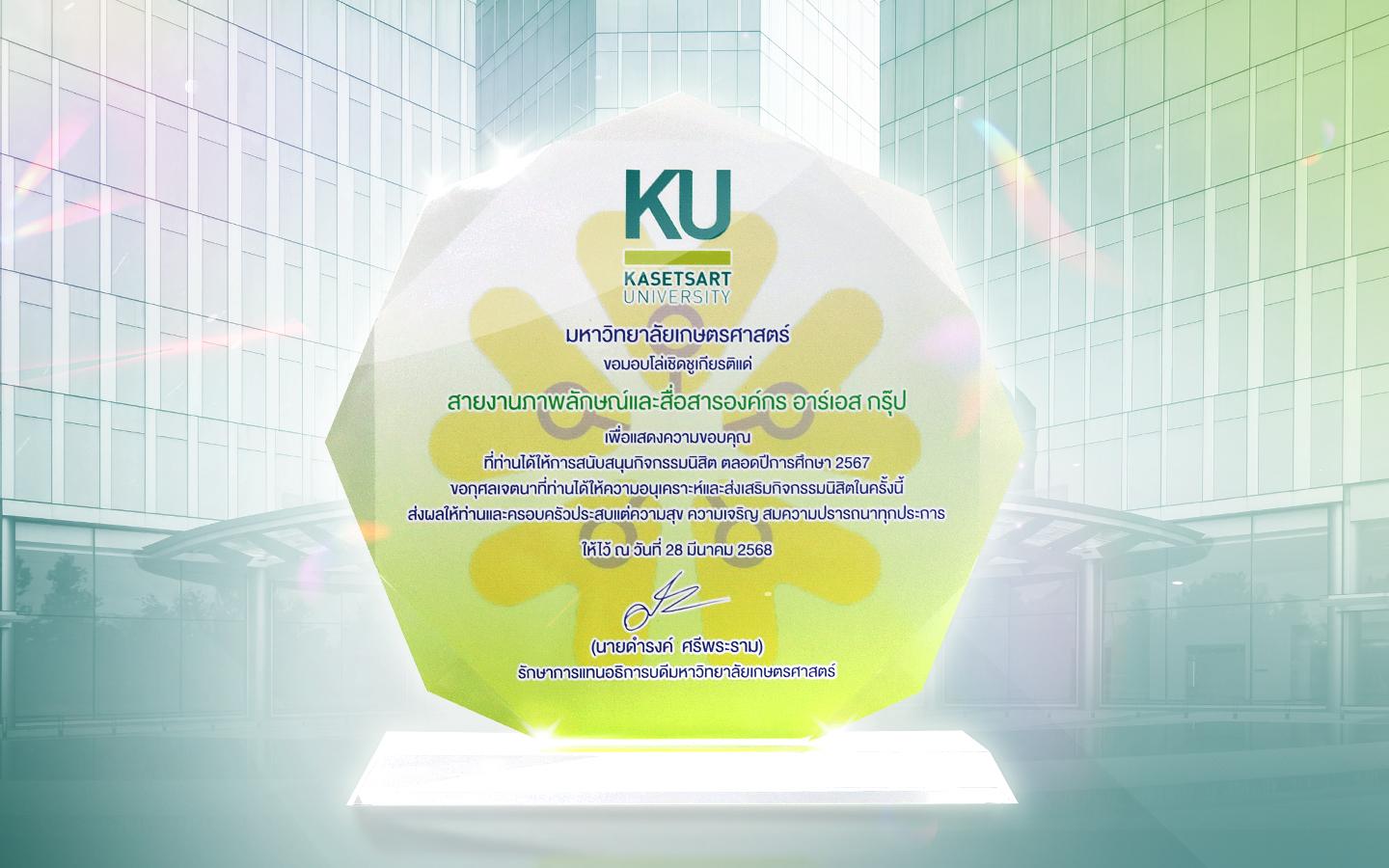 Moving forward, the Company will continue to operate its business with environmental consciousness, striving to drive RS GROUP to become a strong organization of the future in all aspects and aims to reduce greenhouse gas emissions while fostering participation from all sectors within the organization, including all business units under RS GROUP
and all employees in reducing environmental impact, such as reducing energy consumption in office buildings, using renewable energy, waste separation and the selection of environmentally friendly packaging, among others.
Environmental Legal Incidents
Legal Violation Incidents
| Metric | Current Year | Previous Year | Two Years Ago |
|---|---|---|---|
| Number of cases or incidents of legal violations or negative environmental impact (cases) | 0 | 0 | 0 |
Social Sustainability — Overview
Introduction
Social management policy
The Company recognizes the importance of conducting business on a foundation of strong society and community,
and is committed to growing and developing together. Therefore, it prioritizes social operations, which are not limited to internal society or employees, but also extend to external society, including partners, customers, communities, and the overall social conditions of the country. This encompasses fair treatment and care for employees, ensuring employee health and safety, developing personnel within the organization, engaging in public benefit activities, and systematically handling various complaints.
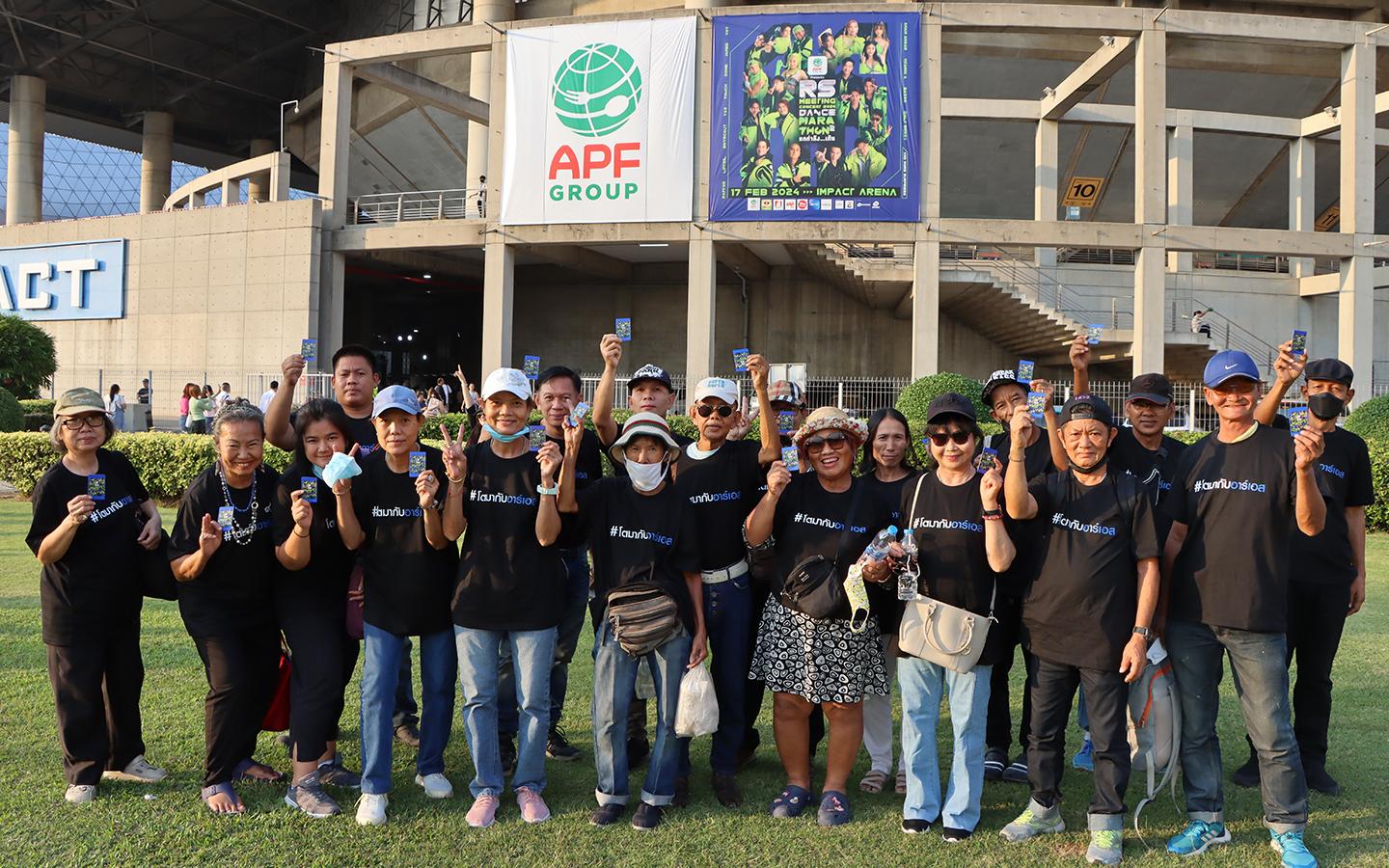
In 2025, the Company reviewed its social policies and practices, establishing a framework and strategy as "Enhance Health and Wellbeing" and "Contribute to Social Investment," such as supporting education, culture, and local job creation. This also includes fostering understanding and awareness of environmental conservation among employees, enhancing employee potential, ensuring fair labor practices, managing and transferring knowledge to people in society, while also considering consumer responsibility, and creating and delivering shared value through various channels covering all stakeholders. These are the social management policies and goals has been approved by the Corporate Governance and Sustainable Development Committee meeting and presented to the Board of Directors meeting for consideration and acknowledgment.
Social management guidelines
Strictly adhere to all laws, regulations, and practices related to society and community.
Regularly review policies, management plans, and monitor social and community performance.
Support the use of business innovations to enhance the quality of life for people in society.
Promote the integration of social and community impact assessments into the supply chain.
Disclose the Company's social and community information accurately and transparently through appropriate channels.
Provide knowledge and support activities that foster awareness among employees and people in society to be responsible towards society and community.
Operating Results — Introduction
Social management impact assessment
From 2024 to 2025, the company collaborated with Chatuchak District Office to survey social and community concerns within a 5-kilometer radius of its headquarters. This involved considering the potential for both positive and negative impacts from current business operations or projects and future plans, taking into account effects on people, communities, livelihoods, culture, and the economy. Stakeholders were clearly identified and prioritized. The social assessment found no urgent issues or severe impacts at the highest level for the company in the near future. However, this year, the company has established guidelines for social and community activities in accordance with appropriate and sufficient occupational health and safety principles, and has initiated long-term goals related to other relevant social issues.
In addition, the Company has expanded the scope of its social and community responsibility efforts to include its business partners by implementing a supplier self-assessment form. This assessment includes social and community responsibility criteria as part of the evaluation process for selecting both existing and new suppliers, alongside environmental performance considerations.
Social management performance
The company regularly monitors and evaluates its operations in accordance with relevant social laws, regulations, and practices to ensure that employees and stakeholders are aware of and comply with them correctly.
In 2025, the company achieved the following key performance results:
No complaints from stakeholders regarding offenses arising from violations of social laws and regulations.
No complaints from stakeholders regarding misconduct or violations of the anti-corruption policy.
No complaints from employees regarding misconduct or violations of the business ethics.
There are no disputes or judgments identifying offenses arising from violations of social laws and regulations.
No fines have been paid for violations of social laws and regulations.

Social and human rights impact assessment
In 2025, the company's significant human rights-related risk assessment results in the supply chain are as follows:
Risk of discrimination against the labor or employees of partners.
Risks of related to safety, occupational health, and working environment for the labor or employees of partners.
Risks of unfair or illegal compensation to the labor or employees of partners.
Risks of child labor (underage), female labor, migrant labor, or forced labor affecting the labor or employees of partners.
In 2025, the company conducted a human rights risk assessment and fair labor practices, including considering the impact on health, hygiene, and safety in the working environment. It was found that there are no significant human rights risks in the supply chain that could severely impact the company in the near future. However, the company continues to monitor and assess such risks continuously, while complying with labor-related regulations as prescribed by law.
Human rights violation complaint mechanism
Methods and procedures
Employees who are dissatisfied or distressed due to work-related issues should submit a complaint to their direct supervisor or a higher-level supervisor within 7 days from the date the complaint arose, unless the complaint concerns the conduct of a direct supervisor, in which case the complaint should be submitted to the next higher-level supervisor. To submit a complaint, fill out the form prescribed by the company (to ensure uniformity and complete essential information). In cases where an employee fails to act within the specified period or according to the criteria set forth in the first and second paragraphs above, it shall be deemed that no complaint has arisen or the complaint is considered closed, as the case may be.
Investigation and consideration
Upon receiving a complaint from an employee, the supervisor must promptly conduct an investigation to ascertain
the facts of the complaint in as much detail as possible. Furthermore, the employee filing the complaint is expected
to provide detailed facts to the supervisor. After investigating the facts, the supervisor shall consider the complaint.
If the matter falls within the supervisor's authority and can be resolved, the supervisor should resolve it promptly
and inform the employee who filed the complaint and also report to the company. If the complaint falls outside the supervisor's jurisdiction, the complaint, along with proposed solutions, should be submitted or opinions to higher-level supervisors in sequence. Each level of supervisor must address the complaint promptly, within no more than 7 working days.
Complaint resolution process
Once each level of supervisor who has considered the complaint has resolved or terminated the event giving rise to the complaint and informed the employee who filed the complaint, if the employee is satisfied, should promptly inform their supervisor. In cases where an employee who files a complaint does not receive a response from their supervisor within the specified time, or has received a response but is still not satisfied, they may file an appeal by filling out the appeal form prescribed by the company and submitting it to the authorized director within 7 days or
on the date of receiving the complaint resolution from the immediate supervisor. The authorized director will consider the appeal and proceed to resolve or terminate the event according to the complaint, and inform the employee who filed the complaint of the outcome of the consideration. The decision of the authorized director shall be final.
Complainant protection mechanism
The company focuses on maintaining confidentiality, security, and fairness for complainants by providing diverse
and secure channels for complaints or whistleblowing, which the whistleblower's information will be kept strictly confidential and disclosed only as necessary for the safety of the complainant with acceptance measures ensuring that complainants will not suffer negative impacts from work or any harassment after reporting a complaint in good faith.
Remediation for affected parties
Upon discovering a violation, the company has mechanisms in place for both monetary and non-monetary remedies, considering the severity of the impact of the incident to determine appropriate recovery and relief measures for those affected. This includes investigating the root causes of the problem and developing solutions to prevent recurrence.
Social and human rights performance
In 2025, the company achieved the following key performance results:
No complaints from stakeholders regarding offenses arising from violations of human rights laws and regulations.
There are no disputes or judgments identifying offenses arising from violations of human rights laws and regulations.
No fines have been paid for violations of human rights laws and regulations.
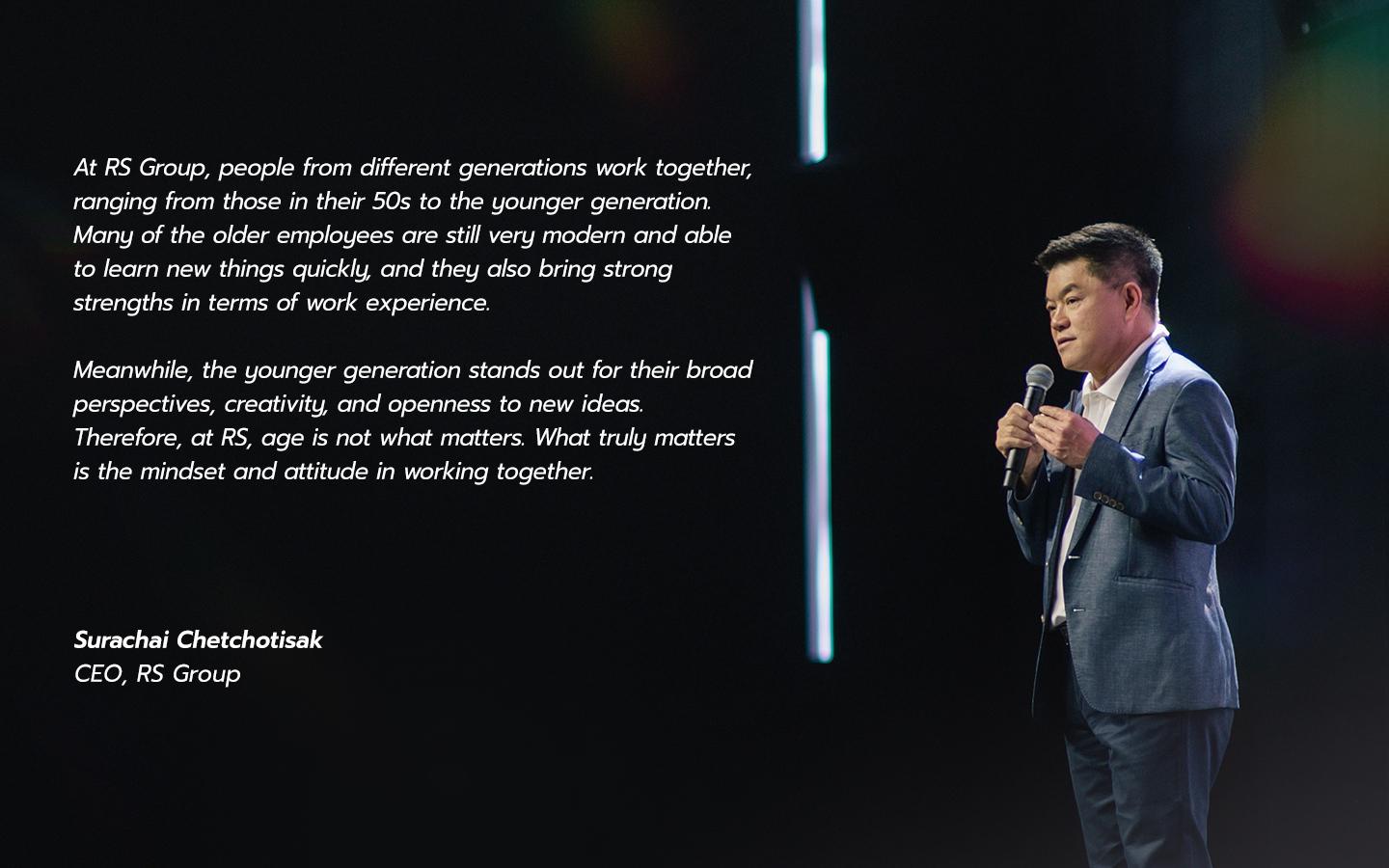
“RS Diversity: Celebrating All Diversity, Enabling All Differences”
The world increasingly emphasizes diversity and equal coexistence. RS Public Company Limited, or RS Group, an organization ready to inspire and enrich people's lives with creative and valuable entertainment, products, and services, announces its stance and promotes the “RS Diversity” policy: Celebrating All Diversity, Enabling All Differences.
This aims to reflect the long-standing diversity and equality within RS Group more comprehensively and clearly,
through new welfare policies, especially regarding gender diversity, the management's vision of providing opportunities for all employee groups to fully demonstrate their abilities, and ensuring equality in employee work.
Mr. Surachai Chetchotisak, Chief Executive Officer, stated, “RS Group is an organization rich in diversity, blending to create differences in both products and services. At the same time, RS embraces and provides opportunities for a diverse workforce, including telesales from RS Mall, Channel 8 news anchors, COOLfahrenheit DJs, artists from RS Music, and actors both affiliated and independent, in terms of age, gender, experience, origin, background, and abilities.
This openness has been a crucial factor in the rapid and successful transformation of the organization, making it a case study both domestically and internationally. I am confident that at RS Group, diversity is not a management challenge; rather, the varied differences in skills and abilities are beneficial for driving the organization forward. Mutual acceptance and opportunity further strengthen us in all dimensions. Therefore, we are concretizing this policy through new and more comprehensive and clear employee benefits. Furthermore, RS’s business operations will be managed with consideration for diversity and acceptance of individual differences based on human rights principles. Thus, we are currently studying and seeking best practices to serve as a framework for operations, both in terms of producing goods and services, and other business activities, to create equality for all partners and stakeholders.”
“RS Group, together with all its business units, including commerce and media-entertainment businesses, unanimously declares its stance in supporting diversity and equality under the campaign “RS Diversity: Celebrating All Diversity, Enabling All Differences.” All of this will help reflect RS Group’s identity as an organization of diversity and an organization of opportunities that is inclusive and open to everyone,” Mr. Surachai concluded.

Social Policy & Guidelines
Introduction

Human rights policy
The Company recognizes the importance of human rights as fundamental rights and freedoms that individuals should possess. It adheres to ethical, fair, and equal treatment of employees, workers, and laborers in accordance with labor laws, rules, regulations, and various labor-related provisions, for both Thai and foreign workers. Emphasis is placed on respecting human dignity, rights, freedoms, and equality of individuals, without discrimination based solely on physical differences, race, nationality, religion, gender, language, age, education, and social status, including women, persons with disabilities, and other disadvantaged groups. The Company does not support oppression, does not employ child labor below the legally prescribed age, does not use forced labor, and opposes all forms of human trafficking.
This policy covers all employees within the company and all stakeholders in the business's value chain. This policy has been approved by the Corporate Governance and Sustainable Development Committee meeting and presented to the Board of Directors meeting for consideration and acknowledgment.

Human rights guidelines
Strictly comply with all laws, regulations, and procedures related to human rights and labor practices.
Regularly review policies, management plans, and monitor performance regarding human rights and labor practices.
Promote appropriate self-development opportunities for all workers to enhance their quality of life.
Promote the integration of human rights and labor practices impact assessments into the business value chain.
Disclose accurate and transparent information regarding the company's human rights and labor practices.
Provide knowledge and support activities that raise awareness among employees and people in society to foster overall social responsibility.
Establish grievance channels for human rights violations and labor practices to prevent and mitigate impacts.

Why diversity matters to us
At RS Group, we foster a corporate culture that embraces boundless sustainable growth through everyone’s Growth Mindset and Passion, because progress is possible when we are willing to learn and remain open to new possibilities. We are committed to self-development through our corporate values in pursuit of success, without being limited by talent or any perceived constraints. We also cultivate a shared sense of belonging as part of a high-quality team by providing equal opportunities, without discrimination or harassment, while respecting human rights and genuinely embracing diversity and individual differences.
Understanding the policy components
Diversity refers to the visible and invisible differences among people, whether they are differences in physical condition, mental state, race, gender, age, knowledge, values, culture, beliefs, religion, thoughts, language, or any other matter according to the laws of each country and international treaties to which each country is obligated to comply.
Equity refers to equality in rights and freedoms in life, based on the idea that no one is inferior to another.
Have equal opportunities for access and participation, without discrimination, segregation, or prejudice.
Inclusion refers to valuing and accepting the differences of people who must coexist in society.
Diversity, Equity, and Inclusion Policy
At RS Group, we are committed to adhering to the principles outlined in RS Group's Human Rights Policy, which also includes respecting diversity and accepting individual differences. The Board of Directors deems it appropriate to establish policies and guidelines for the Board, executives, and employees at all levels of RS Group, with details as follows:
Encourage everyone to treat each other equally, respecting diversity and accepting individual differences, and rejecting segregation and discrimination, both towards people within RS Group and external society.
Foster a culture of RS Group to serve as a role model for respecting diversity and accepting individual differences.
Promote and provide to business partners in the business value chain, suppliers, contractors, and joint ventures, to ensure their participation in ethical business operations, respecting and treating people in accordance with this policy.
Policy Framework
Valuing diversity means paying attention to different ways of thinking, different cultures, and other aspects of society.
It involves openness and participation in interactions both within and outside our company. At RS Group, we support diversity and promote inclusion through the following:
Culture
Fostering a culture of participation when collaborating, benefiting from the diversity and differences of employees.Society
Working and engaging with society and business partners throughout our diverse value chain.Innovation
Considering the diverse needs of customers and delivering a variety of products and services through numerous channels.

Guidelines on diversity, equity, and inclusion
To ensure that RS Group's business operations manage diversity and accept individual differences in accordance with human rights principles, guidelines are provided to serve as a framework for all products and services, and business activities (Direct Activity), including business partners in the business value chain and joint ventures, covering the following key issues:
Treat each other equally, respect diversity, and accept the differences of all individuals. Listen to and encourage the expression of diverse opinions, creating a positive working atmosphere and corporate culture.
Consider respecting diversity and accepting individual differences as an integral part of business strategy, which
will foster innovation and business development for RS Group.Executives, supervisors, and leaders at all levels within RS Group support and promote respect for diversity and acceptance of individual differences throughout the organization.
Promote the recruitment of company directors or various positions within RS Group by incorporating diversity and acceptance of individual differences as factors in the consideration process, to appropriately select directors at all levels.
Strictly apply the principles of respecting diversity and accepting individual differences in human resource management, from employee recruitment and selection, employee development, career advancement, performance and compensation management, retirement, and other related matters.
Communicate, disseminate knowledge, foster understanding, establish guidelines, and provide other support
to business partners in the business value chain, suppliers, contractors, and joint ventures, to ensure their participation in business operations that adhere to human rights principles.Exercise caution in performing duties to prevent the risk of violating human rights. Do not neglect or ignore acts that constitute human rights violations. Report such incidents to supervisors or responsible persons and cooperate in fact-finding investigations.
RS Group will ensure fairness and protection for individuals who report human rights violations, by implementing measures to protect whistleblowers or cooperators, as stipulated in the grievance mechanism and mitigation measures.
Scope of diversity, equity, and inclusion
Diversity, equity, and inclusion
We consider diversity, equity, and balance in various dimensions not merely as organizational matters, but also encompassing gender equality, human rights, and the opposition to all forms of violence. Furthermore, empowering individuals is crucial for creating shared value for our business and society.
Disability awareness
We operate with disability awareness, promoting employment and emphasizing the participation of individuals with physical impairments, and aim to foster an employment culture that primarily focuses on employee abilities.
Social diversity and solidarity.
We aim to play a better role in the economic dimension by creating and distributing income to people in society, by providing equal opportunities for people in various regions to access employment, training, support, and career development, without discrimination or prejudice.
Welcome everyone to our team.
We support equality and non-discrimination based on gender identity and sexual orientation worldwide. This involves promoting the well-being of LGBTQ+ employees through access to dedicated recruitment processes, employment, training, and fostering an understanding coexistence for teamwork.

Equal welfare policy
We encourage all forms of diversity to participate and be treated equally, emphasizing the development of our employee care policies and expanding various benefits to reflect the long-standing diversity and equality within RS group, making them more comprehensive and explicit, as follows:
Leave for marriage ceremony and/or registered marriage, by employees are entitled to 3 days of paid leave for marriage, applicable to both heterosexual and same-sex marriages.
Financial support for marriage, by employees will receive a 5,000 Baht financial support to celebrate both heterosexual and same-sex marriages.
Employees may take paid leave for gender reassignment surgery, not exceeding 45 days.
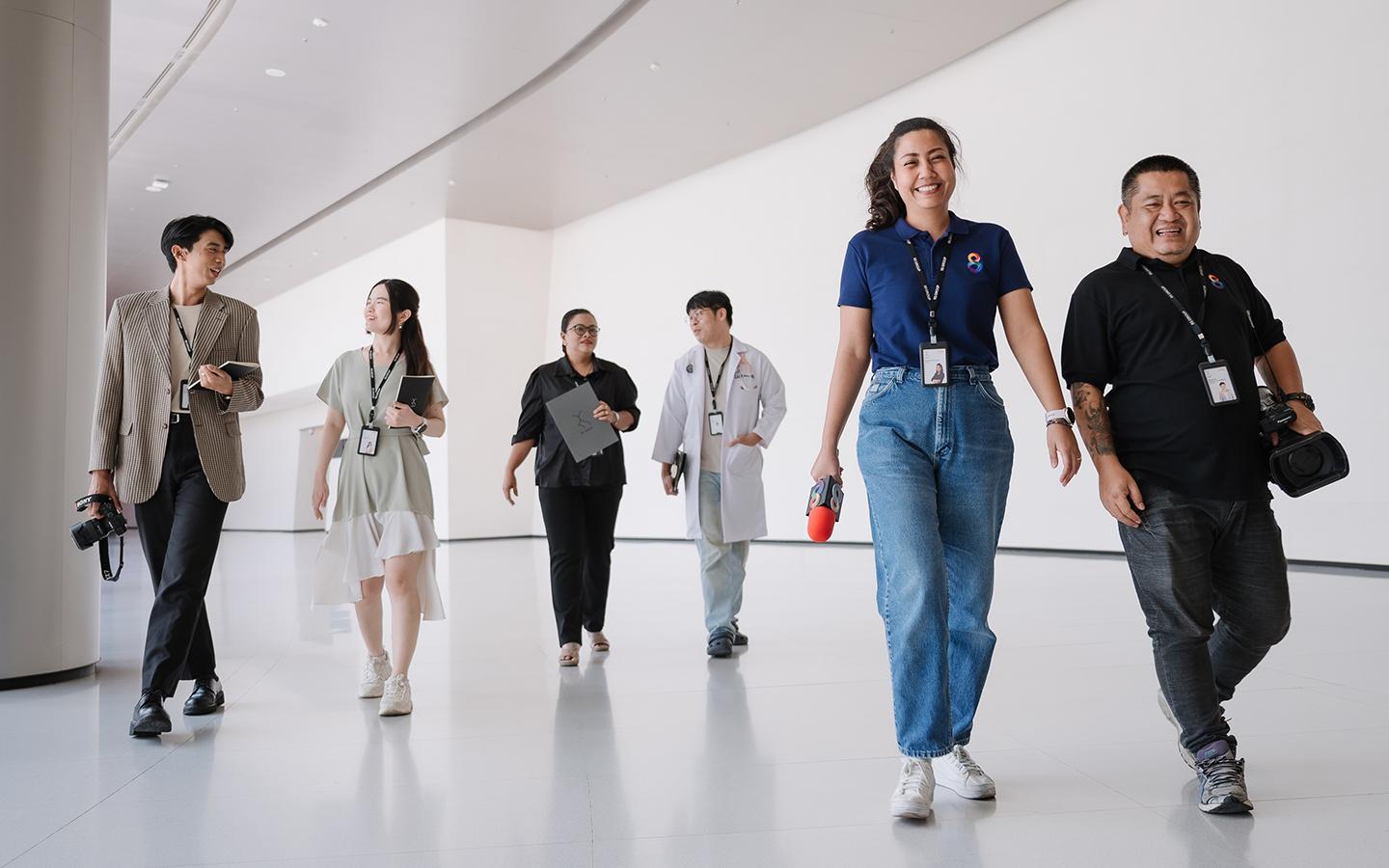
Non-discriminatory diverse employment policy
Diversity and inclusion are integral parts of the culture at RS Group. We aim to create a working culture that provides equal opportunities for everyone, where individuals are treated with dignity and mutual respect. This enables us
to leverage the unique skills, knowledge, and experiences of our diverse workforce. We have adopted various laws
and international standards, such as the UN Guiding Principles on Business and Human Rights, the International Labour Organization's humanitarian and rights principles, and the UN Global Compact, as guidelines for treating all employees equally, to mitigate the risks arising from discrimination or human rights violations against our employees.
By prioritizing policies for compensation and welfare for all employees. Employees' compensation management will be carefully and thoroughly reviewed to prevent the risk of bias, discrimination, or inequality in processes related to performance evaluation and compensation. Furthermore, importance is placed on managing the ratio of salaries and basic compensation between men and women to minimize differences, based on maintaining balance and equality according to employee abilities, performance, and job value. There is also a policy to consider annual salary increases and bonus payments based on employee performance and aims to inspire and motivate a sense of love and attachment to the organization, in order to retain talented personnel to work together, create success, and grow sustainably.

Discrimination and harassment against the rights of others
When people are diverse and their levels of ability to accept diversity vary, non-acceptance of those different from us is always observed, leading to discrimination and harassment against the rights of others (Discrimination and Harassment) whom we perceive as different or not in the same environment as us. Discriminatory and harassing behaviors occur in various forms, ranging from verbal teasing and joking to physical violence, such as assault. Legally, these behaviors are considered offenses, and perpetrators are liable to penalties commensurate with the severity of their actions.
Discrimination refers to any act that creates differences, exclusion, or preferences based on human diversity,
such as age, gender, or physical characteristics, which results in the loss of opportunities and equality in employment for that person, or occupation.Harassment refers to any behavior or action towards another person that causes them to feel threatened, violated, or demeaned based on human diversity (Social Bullying), which causes individuals to lose happiness and comfort in living with others in society, such as verbal expressions, gestures, eye contact, or physical touch.

Creating a suitable working environment.
At RS Group, we recognize that employees are a key factor in our success. We aspire to be one of the most desirable organizations to work for, where everyone can collaborate happily. Therefore, we prioritize the management of safety, occupational health, and the working environment, encompassing both personal safety and safety related to business operations. All activities must undergo careful risk assessment by qualified personnel, with appropriate control and prevention measures established, and close monitoring of implementation to prevent losses or impacts on employees and all relevant stakeholders. This also includes a commitment to managing diversity and promoting the acceptance
of individual differences, by respecting fundamental human rights, providing opportunities, treating each other equally, and eliminating all forms of discrimination and harassment.
Has a Social Policy
Yes
Policy Description
Social and human rights policy
The Company focuses on respecting human dignity, equality, and non-discrimination to ensure that everyone has recognized and prioritized the promotion and protection of human rights both within and outside the organization, alongside ethical principles and good corporate governance. The Company protects human rights adhering to legal principles and international standards covering equal treatment of employees, migrant workers, and all stakeholders, especially preventing forced labor and child labor, non-discrimination, and harassment in the workplace, as well as promoting continuous human rights risk assessments, driven by the "Diversity, Equity, and Inclusion Policy." to align
with the sustainable development policy and ensure that the Company's business operations are absolutely free from human rights violations.
Social and human rights practices
Non-discrimination, focusing on treating everyone equally and does not support any activities that violate
human rights principles.Absolute prohibition of forced labor, human trafficking, and child labor.
Promote a safe environment for everyone, both physically and mentally.
Promote human rights due diligence in the supply chain through communication and extending policies to business partners and allies to adhere to the same standards.
Promote a comprehensive human rights risk assessment and review process to address and remedy impacts if violations occur, and implement measures to prevent recurrence.
Employee Rights
In Thailand, employees or workers receive basic rights under the “Labor Protection Act.” which is considered labor
law enacted to establish minimum standards regarding employment to create fairness between the Company and its employees which covers various employee rights which the Company continues to operate in accordance with legal requirements, as follows:
Wages must be in accordance with what was agreed upon in the employment contract, whether it is daily, monthly, or other forms of employment.
Working hours: Generally, the Labor Protection Act stipulates working hours not exceeding 8 hours per day and
48 hours per week. For work that is hazardous to health, it must not exceed 7 hours per day and 42 hours per week. Employees have the right to a break of no less than 1 hour per day after the first 5 hours of work. However, if the Company and employees agree in advance, each break period may be less than 1 hour but not less than
20 minutes per instance, totaling no less than 1 hour per day. In some cases where work must be continuous,
the Company may arrange for no break. Can take leave but must have prior consent from the employee.Leave is a fundamental right that employees can use as needed. The Company must still pay wages as stipulated by law, as follows:
Sick leave: Employees may take sick leave for no more than 30 days per year while still receiving normal wages. If sick leave exceeds 3 consecutive working days, a medical certificate must be presented.
Personal leave: Employees may take leave for essential personal business while still receiving wages.
The number of leave days depends on the Company's policy.Maternity leave: Female employees have the right to take maternity leave before or after childbirth for
no more than 90 days, while still receiving wages for no more than 45 working days.Sterilization leave: Employees may take leave for sterilization for the period specified by a doctor and receive wages for the days taken.
Military service leave: Male employees called for military training may take leave for the number of days called, not exceeding 60 days per year, and receive normal wages.
Holidays are days designated for employees to rest. The Labor Protection Act primarily divides them into
3 categories as follows:Weekly holidays: Employees are granted no less than 1 day off per week, and each holiday period must not be separated by more than 6 working days.
Traditional holidays: or “public holidays,” the Company specifies no less than 13 days per year (including Labor Day). Employees have the right to take holidays on public holidays stipulated by law, such as
New Year's Day, National Labor Day, Songkran, etc.Annual vacation: Employees who have completed 1 year of service are entitled to no less than 6 days of annual vacation, which can be mutually agreed upon with the Company.
Employees who work overtime are entitled to overtime compensation as prescribed by law, as follows:
Overtime work on normal working days: receive wages no less than 1.5 times the hourly rate.
Work on holidays: receive wages no less than 1 time.
Overtime work on holidays: receive wages no less than 3 times the hourly rate.
Termination of employment without fault clearly stipulates that notification must be given at least one pay cycle in advance. If no advance notice is given, severance pay in lieu of notice must be paid, with compensation rates set as follows:
Employees who have worked for 120 days but less than 1 year: receive severance pay equal to 30 days' wages.
Employees who have worked for 1 year but less than 3 years: receive severance pay equal to 90 days' wages.
Employees who have worked for 3 years but less than 6 years: receive severance pay equal to 180 days' wages.
Employees who have worked for 6 years but less than 10 years: receive severance pay equal to 240 days' wages.
Employees who have worked for 10 years but less than 20 years: receive severance pay equal to 300 days' wages.
Employees who have worked for 20 years or more: receive severance pay equal to 400 days' wages.
Labor utilization: The scope of labor utilization has been clearly defined to prevent physical and mental harm from work, as follows:
Employment of female workers: Pregnant female employees are prohibited from working between 10:00 PM and 6:00 AM, and from working overtime or on holidays, as well as from working in hazardous areas.
Child labor: It is prohibited to employ children under 15 years of age. In cases where children under 18 years of age are employed, notification must be given to the labor inspector. Furthermore, working between 10:00 PM and 6:00 AM and working overtime are strictly prohibited (details are provided under the section on child labor).
Social Security is a social security system established by the state to help workers receive protection and replacement income when facing various risks where employees, employers, and the government jointly contribute to a protection fund covering 7 cases: illness, childbirth, disability, death, unemployment, child welfare, and old age.
Basic welfare provided by the Company, such as sufficient clean drinking water, hygienic restrooms, a safe workplace, and first-aid equipment.
In addition to legal rights, the Company also has: Providing additional welfare and benefits to employees as follows:
Provident fund, which the Company has arranged for employees to voluntarily save money by contributing monthly. The Company also contributes to the savings according to the fund's criteria. This provident fund not only serves as a savings guarantee but also benefits employees for tax deductions. If an employee resigns,
they will receive their savings from the provident fund according to the established criteria.Financial assistance benefits from the Company.
Funeral assistance for the loss of an employee's spouse, child, father, and mother.
Wedding financial assistance for employees, without gender restriction, according to the Company's equal welfare criteria.
Housing loan welfare with banks: The Company and the Government Housing Bank have jointly agreed to provide housing loan welfare, allowing employees who wish to purchase their own homes to apply for a loan with the Government Housing Bank. Employees will receive special interest rates and loan amounts.
Other welfare benefits are listed under "Information on Employees and Labor."
Migrant/foreign worker rights
The Company adheres to principles of equality, human dignity, and international standards. Foreign workers will receive legal protection similar to Thai workers, with specific laws and measures aimed at protecting the rights and safety of foreign workers. This will be in accordance with the "Emergency Decree on the Management of Foreign Workers
B.E. 2560 (2017) (and its amendment, Issue 2 B.E. 2561 (2018))" to prevent human trafficking and forced labor.
Foreign workers have the following rights:
Right to receive wages.
Foreign workers have the right to receive wages no less than the minimum wage stipulated by law,
similar to Thai workers.The Company must pay wages on time and in full.
Right to working hours and break times.
Working hours: Not exceeding 8 hours per day or 48 hours per week.
Break time: Must have at least 1 hour of break time if working more than 5 hours.
Overtime hours: Must have the consent of the worker and overtime pay must be paid according to law.
Right to take leave.
Weekly holidays: At least 1 day per week.
Traditional holidays: At least 13 days per year, including Labor Day.
Annual leave: Employees are entitled to no less than 6 days of annual leave per year after completing 1 year of service.
Sick leave: Can be taken as needed with pay, not exceeding 30 days per year.
Maternity leave: 90 days maternity leave for female workers.
Right to health protection.
Foreign workers who are properly registered will receive protection from social security or foreign worker
health insurance.Has the right to receive medical treatment at designated hospitals.
Right to safety at work.
The Company provides a safe workplace and protective equipment for foreign workers.
If injured or killed at work, foreign workers or their families have the right to receive compensation.
Right to termination and severance pay.
Foreign workers have the same right as Thai workers to receive severance pay in cases of termination without fault.
Termination of employment must be notified in advance and have reasonable grounds.
Prevention of exploitation.
Foreign workers have the right to refuse work that violates the law, such as forced overtime, unsafe work,
child labor, or human trafficking.If an employer violates rights, a complaint can be filed with the Department of Labor Protection and Welfare.
Right to change employers.
Foreign workers with valid work permits have the right to change employers in certain cases, such as employer bankruptcy or not receiving wages as per the contract.
Legal protection.
Foreign workers have the right to protection under the Foreign Workers Employment Act B.E. 2551 (2008).
The Company will not confiscate personal documents such as passports or work permits.
Right to apply for social security membership.
Foreign workers have the right to apply for social security membership and receive benefits such as medical expenses, unemployment compensation, or pensions.
Child labor rights
The Company adheres to principles of equality, human dignity, and international standards. The Company's business may require human resources of diverse age ranges to produce appropriate work, such as theatrical performances, concerts, or outdoor events. There are specific laws and measures aimed at protecting the rights and safety of child workers will be in accordance with the "Labor Protection Act B.E. 2541 (1998) (as amended)." to prevent human trafficking and forced labor. Child workers have the following rights:
Do not employ children under 15 years of age.
According to Section 44, employers are prohibited from employing children under 15 years of age.
In cases where children under 18 years of age are employed.
Employers must notify the labor inspector within 15 days from the date a child starts work and notify the termination of employment of that child to the labor inspector within 7 days from the date the child leaves work. Employers must provide a 1-hour break per day within the first 4 hours of work and may allow shorter breaks as determined by the employer.
Employers are prohibited from employing child workers under 18 years of age. Work between 10:00 PM and 6:00 AM, unless authorized.
Employers are prohibited from employing child workers under 18 years of age. Overtime work or work on holidays.
Employers are prohibited from employing child workers under 18 years of age in the following types of work:
Work involving heat, cold, vibration, noise, and light at levels different from normal that may be hazardous.
Work related to radioactivity, chemicals, microorganisms or toxic substances, explosives, or flammable materials. Work involving driving or operating forklifts or cranes.
Work that must be performed underground, underwater, in caves, tunnels, or mountain shafts. Work that must be performed on scaffolding more than 10 meters above the ground.
Other duties as prescribed by ministerial regulations.
Employers are prohibited from employing child workers under 18 years of age in the following places:
Slaughterhouses, gambling establishments, places for dancing, ramwong, or ronggeng.
Places that sell and serve food, alcoholic beverages, tea, or other drinks, with attendants to serve employees, or with facilities for rest and sleep, or with massage services for customers.
Other places as specified in ministerial regulations.
Employers are prohibited from paying the wages of child employees to any other person.
Employers are prohibited from paying the wages of child employees to any other person.
In cases where an employer pays any money or benefits to a child employee, their parents, guardians, or other persons in advance before employment, at the time of initial employment, or before each wage payment period, it shall not be considered as payment or receipt of wages for that child employee. Furthermore,
the employer is prohibited from deducting such money or benefits from the wages that must be paid to the child employee according to the schedule.
Employers are prohibited from demanding/receiving security deposits from child employees.
According to Section 51. Employers are prohibited from demanding or receiving any security from child employees.
Child employees under 18 years of age have the right to take leave for a reasonable cause.
Employees may take leave to attend meetings, seminars, training, or other activities organized by educational institutions, or government or private agencies approved by the Director-General. The employer must pay the child employee wages equal to their working day wages for the entire leave period, but not exceeding 30 days per year.
However, in 2025, there will be no employment of children under 18 years of age as permanent employees of the Company or within the Company's supply chain.
Consumer/customer rights
The Company adheres to principles of equality and international standards, with the primary goal of ensuring consumers/customers that the Company will not exploit them through its operational processes, covering responsible production and service delivery, communication of product and service information to customers and consumers,
as well as developing satisfaction and protecting customers' personal data. Consumer or customer rights will be in accordance with the "Consumer Protection Act B.E. 2522 (1979) (as amended)," covering 5 key rights: the right to accurate information, freedom of choice, safety, fairness in contracting, and compensation for damages when rights
are violated. Consumers/customers have the right to: receive as follows:
Right to receive information, including accurate and sufficient quality descriptions of goods or services:
This includes the right to receive truthful and non-hazardous advertising or labeling for consumers, as well as
the right to receive accurate and sufficient information about goods or services to avoid being misled into unfairly purchasing goods or services.Right to freedom in choosing goods or services: This includes the right to receive goods or services voluntarily
by the consumer and without unfair inducement.Right to safety from using goods or services: This includes the right to receive safe goods or services that meet standard conditions and quality, are suitable for use, and do not cause harm to life, body, or property when
used according to instructions or with due care for the nature of the goods or services.Right to fairness in contracting: This includes the right to receive contract terms without being exploited by business operators.
Right to consideration and compensation for damages: This includes the right to protection and compensation
for damages when consumer rights, as mentioned in points 1, 2, 3, and 4, are violated.
The five consumer rights stipulated by law will be fully effective only when consumers act as follows:
Consumer duties before purchasing goods or services.
Consumers should exercise reasonable caution when purchasing goods and services, for example, by checking labels, quantities, and prices to ensure fairness. Do not trust advertisements without careful consideration,
and seek additional information about the quality, origin, and characteristics of the goods to verify if they match the advertised claims. If in doubt or unsure, careful consideration should be given beforehand.When entering into a legally binding contract by signing, consumers must check the clarity of the language used to ensure it is precise and grants full rights to the consumer as negotiated. They must also identify any unfair terms in the contract. If there are any legal doubts or uncertainties about the contract's clarity, it is advisable to consult an expert beforehand.
Any agreements intended to be legally binding should be made in writing and signed by the business operator.
Consumer duties after purchasing goods or services.
Consumers have a duty to preserve various pieces of evidence demonstrating the violation of consumer rights in order to claim their rights. Such evidence may include products showing quantities or qualities that do not meet the standards specified on the label, or being dirty or toxic, which could cause harm from using the product or service. The place where the product was purchased or service received should also be noted to support the complaint.
In cases where a written contract is made with a business operator, all contract documents, including advertising materials and receipts, must be kept.
When consumer rights are violated, consumers have a duty to file a complaint in accordance with their aforementioned rights.
Complaints when rights are violated.
File a complaint through the channels provided by the Company.
File a complaint through various regulatory agencies, such as The Office of the Consumer Protection Board
or the Food and Drug Administration, etc.
Community and environmental rights
The Company considers granting rights to all stakeholders equally and comprehensively. Community and environmental rights are based on the principle that everyone should have the right to livelihood, the right to live a life with moral values, and community rights also extend to other rights according to changing relationships, such as human rights or human dignity. Community rights contribute to fair and sustainable development. Community rights typically focus on two aspects: the right of communities to conserve culture, traditions, and ways of life, and the right of communities to conserve natural resources to create stability in life and coexist in a good environment sustainably.
Community and environmental rights are fundamental constitutional rights to protect the quality of life, health, and ecosystems from the Company's development projects that may have severe impacts. Communities have the right to: receive as follows:
Right to resource management: Communities have the right to conserve, restore, manage, and utilize natural resources and biodiversity in a balanced manner.
Participation and consultation: Communities have the right to express opinions on the Company's development projects that may impact the environment and community health. An impact assessment (EIA/EHIA) must be conducted, and a public hearing process must be arranged before implementation.
Right to sue: Communities can sue government agencies to compel them to perform their duties in environmental protection.
Right to a good environment: Living in a clean, safe environment that does not pose health hazards.
Rights regarding safety and occupational health at work.
The Company recognizes that employees are a key factor in its success, and therefore places importance on managing safety, occupational health, and the working environment, whether it be personal safety or safety related to business operations. All activities must undergo a thorough risk assessment by qualified personnel, with appropriate control and prevention measures defined, and close monitoring of implementation to prevent losses or impacts on employees and all relevant stakeholders, while also rewarding employees for their full capabilities.
The right to safety and occupational health at work is a fundamental legal right under the "Safety Act B.E. 2554 (2011)," ensuring employees a safe working environment, free from dangers to life, body, mind, and health. Operations are divided into two parts: for mental well-being, the Company has a "Diversity, Equity, and Inclusion Policy" which sets guidelines for everyone to coexist happily in the workplace. For physical care, the Company is responsible for providing appropriate personal protective equipment (PPE), training on safe working methods, and creating an environment that reduces work-related risks which is in accordance with strict provisions to prevent potential harm to employees. Employees have rights regarding safety and occupational health at work. receive as follows:
Right to information: Employees have the right to know about potential workplace hazards, chemicals, and safety manuals.
Right to access protective equipment (PPE): The Company must provide standard personal protective equipment for use free of charge.
Right to training: New employees must always receive safety training before starting work.
Right to refuse work: Employees have the right to refuse work that lacks safety measures, or if they encounter situations that may cause serious danger, they can stop working immediately.
Right to health check-ups: Employees must receive appropriate health check-ups based on potential work-related risk factors.
Other rights: Company employees who are insured under Section 33 receive welfare benefits from social security as legally mandated. However, this may not be sufficient for modern living. Therefore, the Company provides health insurance for employees based on their position level, covering medical treatment benefits for outpatient, inpatient, and death cases, as well as various vaccinations and financial assistance in the form of get-well baskets when employees are ill and hospitalized.
To ensure safety in the workplace, each party has the following duties:
Company: Must prominently display warning signs and safety regulations, maintain machinery in safe condition, and provide a safety team (Safety Officer).
Employees: Must comply with regulations, wear PPE provided by the employer, and always maintain equipment
in good working condition.
The Company places great importance on the holistic well-being of its employees, which includes not only physical health but also mental well-being at work, affecting daily responsibilities, expectations, relationships, and stress levels. Therefore, improving the working environment to be safe and adequately convenient will positively impact employees' overall happiness and health, because when employees feel safe and healthy at work, they are more likely to be more productive, which benefits employees, the Company, and the wider economy. Conversely, if employees are injured or fall ill due to workplace hazards, it can also significantly harm economic growth.
Non-discrimination rights.
The Company has " Non-discriminatory and diverse employment policy. " With a commitment to managing diversity and promoting acceptance of differences among people, respecting fundamental human rights, providing opportunities, treating each other equally, and eliminating all forms of discrimination and harassment, starting from 2022 onwards. This has been achieved through employee opinion surveys, the Safety, Occupational Health, and Working Environment Committee, and approved by the Board of Directors' meeting, and officially announced. Employees have the following non-discrimination rights:
Growing progressively. Career paths at RS Group are always possible with its flat organizational structure and agile work approach. Furthermore, most employees work closely with management, and we use OKR-based evaluations with clear and measurable goals. This allows employees with outstanding and trusted performance, whether new or experienced, to advance rapidly.
Growing strong with diverse learning. The opportunity for employees to work in a company with multiple businesses, including media, entertainment, and commercial businesses, allows them to learn new things across different fields, absorbing work concepts from executives and teams with diverse experiences and skills. These things may not be found in textbooks or classrooms. This is what makes working at RS Group unique and an organization that challenges employees to continuously develop themselves and various skills. It emphasizes learning, supports employees in using their skills and experience to build upon collaborative work, and also creates the RS e-Learning Center for employees and executives to share their knowledge and skills to train employees in other departments, enhancing new skills that can be learned anywhere, anytime, through the company's information system.
Growing securely. It is undeniable that comprehensive welfare and benefits make employees feel secure and support a good quality of life, both at work and in their personal lives. This is why RS Group cares for and develops various welfare and benefits for all employees equally, such as health insurance, life insurance, provident fund benefits, or various financial assistance, including annual leave starting from 12 days and increasing with years of service. Employees also have the right to personal leave, sick leave, maternity leave, equal marriage leave, or even gender reassignment surgery leave for 45 days. Furthermore, we consider the working environment, providing modern offices with complete facilities, over 700 free parking spaces, and employees also receive priority access to events or activities within the group.
Growing in a safe and inclusive environment. Equally important is understanding diversity and respecting employees' rights to freedom and equality. RS Group has a large number of employees, resulting in diversity in terms of gender, age, and physical characteristics. Therefore, we are committed to promoting diversity and equal labor practices through the RS Diversity policy, which provides opportunities for all employee groups to fully demonstrate their abilities and creates a safe working environment for everyone.
Partner rights
RS Group is committed to honesty and fairness towards its business partners, treating all partners in the supply chain with procurement processes and contract terms or agreements based on fair returns for both parties. It avoids bias or situations that create conflicts of interest, upholds its duties to partners, including providing knowledge, developing potential, and aiming to develop international operational standards, alongside business ethics, labor practices and human rights, quality management, occupational health and safety, community development participation, and environmental protection, as well as monitoring, inspecting, evaluating, and developing mutual business knowledge effectively, which rights and benefits that individuals or organizations as business partners will receive from collaborating with the Company, covering both legal and relationship aspects. and operations specified in the contract or mutual agreement. Key partner rights issues are as follows:
Right to management and decision-making: Participation in planning, strategizing, and providing recommendations on important decisions as agreed upon.
Basic right to contract: Business partners must receive fair contracts and not be exploited, whether they are individuals or legal entities.
Right to profits and assets: Receive a share of profits or rights to assets proportionally as agreed upon.
Right to access accurate information and news: Business partners have the right to receive complete details
about goods/services and can request to inspect account books, partner registers, and important business documents for transparency.Right to personal data protection: The right as a data subject under the Personal Data Protection Act (PDPA)
to have data used appropriately.Special trade rights: such as receiving special discounts, access to training programs, or using shared technology
to enhance competitiveness.Right to protection under the partner code of conduct, such as timely payments or not being subjected to trade discrimination.
Human rights and treatment of business partners: Business partners must be treated equally, without discrimination based on race, religion, skin color, gender, or age, etc.
Disqualification of business partners by business partners are obligated to comply with the "Code of Conduct for Sustainable Partner Development." Failure to comply may result in suspension or termination of their partnership with the Company.
However, RS Group intends to set operational standards higher than those stipulated by law, expecting to encourage business partners to adopt responsible operating practices towards stakeholders equally and equitably, so that partners can grow sustainably with RS Group (details are provided in the Code of Conduct for Sustainable Partner Development).
Social Guidelines
| Guideline |
|---|
| Employee Rights |
| Migrant Workers |
| Child Labor |
| Consumer Rights |
| Community and Environment Rights |
| Safety and Occupational Health at Work |
| Non-discrimination |
| Business Partner Rights |
Employees — Plan & Guidelines
Has an Employee Management Plan
Yes
Plan Description

Policy on employee and labor management.
The Company focuses on developing the potential of employees and workers alongside creating stable social security. An effective employee and labor management plan must encompass both human resource management and labor law dimensions by overseeing fair compensation and benefits, knowledge creation and delivery, diverse skill and capability development, workplace safety and occupational health protection, and promoting non-discrimination and equality for employees, vulnerable groups, foreign workers, and child laborers, including promoting employee relations and engagement with the principle of respecting human rights throughout the supply chain, by leveraging digital technology to manage labor in accordance with international standards to reduce risks and enhance work efficiency considered a crucial element for driving sustainable business growth.
Guidelines for employee and labor management.
Workforce planning: Analyze current and future employee and labor details as needed, aligning with organizational goals, considering headcount, required skills, and appropriate timelines.
Recruitment and selection: Develop strategies to find suitable candidates. Currently, artificial intelligence and internal and external talent marketplaces are being utilized to find employees and workers with the required skills, whether for new hires, additional staff, or transfers.
Personnel development: Create individual development plans to upgrade skills to keep pace with changing technology and align with organizational goals communicated universally, in accordance with the "Learning and Development Policy of RS Public Company Limited and its subsidiaries."
Performance management: Set clear and measurable goals, along with a fair evaluation system for compensation purposes.
Compensation and benefits management: Design a competitive salary structure and benefits in the market to attract and retain suitable employees, through managing compensation, welfare, and working environment to foster organizational commitment.
Labor relations and safety: Develop policies consistent with labor laws, such as working hours, leave entitlements, and grievance mechanisms, in accordance with the "Regulations on Employment of RS Public Company Limited and its subsidiaries."
Steps for creating an employee and labor management action plan.
Analyze current status: Survey skill gaps and internal and external organizational environments.
Utilize technology for management: Select appropriate technologies and tools to assist in payroll calculation, attendance tracking, and more accurate employee data management.
Build organizational culture: Develop a working environment that respects diversity and supports work-life balance.
Components of employee and labor Management.
Policy for employee compensation and benefits.
The Company prioritizes its compensation and benefits policy for all employees to ensure it can retain high-performing and efficient employees as integral parts of the Company, especially in the current competitive business environment. Employees will receive compensation and benefits at appropriate, fair, and equitable rates, consistent with compensation standards in similar or related industries. The aim is to inspire and motivate employees to develop affection and commitment to the Company, as well as to encourage them to produce work that will lead the Company to stable growth.
Guidelines and components of short-term and long-term compensation.
Monetary compensation includes annual salary and bonuses, determined by each employee's position, role, duties, and responsibilities, including experience relevant to their role and responsibilities. Additionally, adjustments will be considered based on the Company's performance in both the short and long term, and inflation rates, which comprise:
The Company's overall goals will be determined by revenue growth figures, profits, cost management, and administrative expenses, as well as sustainability performance.
Departmental goals will be determined by the performance of the department as assigned by the Company.
Individual consideration goals, measured by performance based on Objectives and Key Results (OKRs).
Non-monetary compensation includes various benefits, referenced by each employee's employment contract and job position, to provide a sense of life security, such as:
Health insurance, accident insurance, and life insurance according to job level, covering medical treatment benefits, including outpatient and inpatient cases.
Training and development of employee potential, both from within and outside the organization.
Right to use company services, purchase company products, food, and beverages at employee prices.
Free parking for employees to facilitate commuting to work.
Employee shuttle service between the office and the BTS Skytrain station.
Provide a health center and various recreational sports programs after work, 2-3 days a week, to promote employee health and foster good relationships with colleagues.
Company welfare assistance in the form of get-well baskets when employees are ill and hospitalized.
Funeral assistance in case of family member's death and wedding assistance for employees, regardless of gender.
45 days of leave for gender reassignment surgery.
Annual health check-ups for employees.
The Company has registered and established a provident fund in accordance with the Provident Fund Act B.E. 2530, which demonstrates the Company's concrete commitment to long-term sustainable employee care. Employees can choose investment plans within the provident fund according to their needs and risk levels (details are in section 7.5).
In case of termination of employment, details are in accordance with the sections "Employee Rights" and "Regulations on Employment of RS Public Company Limited and its subsidiaries."
The key principle is that the Company will determine employee and worker compensation based on the details specified in their employment contracts. Adjustments to each component of said compensation will primarily be based on the growth rate of operational performance, including both revenue and profit each year, which aligns with the Company's short-term performance. The Company will also consider adjusting compensation rates to cover inflation each year. The Company will prioritize annual performance to assess whether it meets the long-term business objectives. However, for other forms of employee compensation, such as offering securities or employee stock accumulation programs, the Company may consider additional options at appropriate times.
Policy for employee potential and career advancement development.
The Company's core working philosophy and attitude are to strive for "Life Enriching," enhancing the quality of life by integrating personnel to drive the organization according to its core values and a "Teamwork" culture, with "Team Success" as a fundamental cornerstone of the organization, much like a sports team with passion, eagerness to learn, teamwork, and a determination to win as basic qualities, all guided by organizational values. Furthermore, the Company consistently emphasizes training and practice to develop employees' knowledge and abilities, fostering a strong and valuable organizational culture for all employees, leading to collaborative work that achieves set goals.
The Company is committed to continuously supporting employee learning and development at all organizational levels, believing that motivating and retaining talented personnel within the organization, ensuring employees possess appropriate skills and knowledge for their current responsibilities, preparing employees for professional advancement, and ensuring smooth succession planning within the Company are crucial for increasing work effectiveness and enhancing overall efficiency, thereby supporting the goals of employees, departments, and the Company effectively, in accordance with "Learning and Development Policy. of RS Public Company Limited and its subsidiaries."
Guidelines for employee learning, training, and development
Analyze training needs based on job positions to develop potential and promote employee advancement.
Create and deliver stable career advancement opportunities.
Establish a clear and fair performance evaluation system and succession plan.
Emphasize the working environment and workplace safety, which are conducive to learning and development.
Ensure employee welfare complies with laws, human rights principles, and fair labor practices.
Components for employee learning and development.
Currently focuses on flexibility and practical application, with key elements being: Application of the 70-20-10 principle for learning and development, as follows:
70% of learning comes from work experience, including on-the-job learning, coaching by supervisors, challenging assignments beyond current capabilities, cross-functional projects, special projects, and community engagement.
20% of learning comes from social learning, coaching, mentoring, performance and professional discussions, collaborative learning, and interacting with others. Furthermore, feedback and relationships are the main benefits derived from this approach.
Structured training constitutes the final 10% of learning, including classroom learning, e-learning, workshops, and meetings, among others.
Steps for employee potential and career advancement development.
The Company aims to promote employee potential development by enhancing diverse operational skills and knowledge, covering both internal and external courses, through the following steps:
Identify training needs: Analyze the gap between existing skills and organizational goals by conducting a Learning Needs Analysis to understand employee requirements, enhance personnel capabilities with necessary operational skills, align with business strategies, and increase career opportunities.
Create and design courses: Align with modern employee behaviors, such as emphasizing micro-learning and designing appropriate learning through identifying individual development plans. The Company has a process for surveying employee needs to use as a tool for designing suitable training courses, consistent with employee potential development plans, and accommodating changes in organizational strategic plans.
Training implementation: Utilize a blended approach of online and offline formats for flexibility, with defined learning paths for employees based on academic level, skill type, job position, and individual interests.
Evaluation: Measure results according to company guidelines from satisfaction and acquired knowledge to the value of the investment to continuously monitor potential development.
Policy for promoting employee relations and engagement.
The Company recognizes that employees are key stakeholders and a crucial factor for long-term sustainability. Therefore, the Company is committed to fostering good relationships, engagement, and employee commitment to the organization through: Performance recognition, trust, transparent communication, skill development, motivation, fostering happiness and work-life balance to enhance higher work efficiency, as well as to build a strong organizational culture based on human rights management and genuine sustainable growth.
Guidelines for promoting employee relations and engagement.
Performance recognition and valuation.
Establish a clear, transparent, and fair performance recognition system.
Promote appropriate appreciation and positive feedback at both team and organizational levels.
Link performance results with concrete career development and advancement.
Transparent communication and engagement.
Communicate important information, policies, and organizational direction regularly, clearly, and directly.
Provide channels for employees to express opinions, offer suggestions, file complaints, and participate in improving work processes.
Promote a culture of two-way communication based on respect and trust.
Skill development and potential enhancement.
Support learning, training, and skill development aligned with roles, responsibilities, and organizational direction.
Promote equal opportunities for career advancement.
Prepare employees for future changes in technology and work patterns.
Fostering happiness and work-life balance.
Promote policies and practices that facilitate work-life balance.
Consider employees' physical health, mental health, and overall well-being.
Support flexible work arrangements based on suitability and job nature.
Monitoring and evaluation.
Regularly monitor and evaluate employee engagement and satisfaction levels.
Utilize the results to appropriately update policies and practices, ensuring they are modern and aligned with organizational changes and stakeholder needs.
Steps for promoting employee relations and engagement.
Situation assessment.
Survey levels of engagement, satisfaction, and workplace relationships.
Use questionnaires, interviews, or focus group discussions.
Analyze problems, strengths, and areas for development.
Goal setting and guidelines.
Set clear goals, such as increasing engagement or reducing turnover rates, etc.
Link goals with organizational values and strategies.
Define concrete success indicators.
Activity planning and design.
Design activities or measures consistent with goals.
Covering communication, engagement, and relationship building.
Prioritize according to resources and budget.
Communication and understanding.
Communicate work plans and roles to employees at all levels.
Management and supervisors must clearly demonstrate leadership.
Open channels for feedback from the outset.
Implement the plan.
Implement activities according to the planned schedule.
Continuously promote employee engagement.
Support a positive working atmosphere in daily life.
Monitoring and evaluation.
Evaluate results according to defined indicators.
Listen to suggestions and analyze feedback from employees.
Continuous improvement and development.
Use evaluation results to improve activities and operational guidelines.
Address issues and build upon successful initiatives.
Communicate progress and results to management and employees universally.
Promoting employee relations and engagement across all sectors through various activities also provides opportunities for employees to express opinions and suggestions regarding their work, which are then used to develop the organization's operational processes for greater efficiency. This includes encouraging employees to concretely apply organizational values in their work by making it a part of performance evaluations. When the Company fully implements these measures, it will yield short-term benefits such as creating a better working atmosphere, increasing employee motivation and positive attitudes towards the organization, improving performance, and clearly and tangibly reducing human resource management issues. Long-term benefits include fostering loyalty and commitment to the organization, enhancing the overall corporate image, and strengthening good governance, which is integral to sustainable growth in the future.
Policy for occupational health and safety in the working environment.
The Company recognizes the importance of employee health and safety as a primary factor and a foundation for readiness to work towards success. Therefore, it has elevated the management of safety, occupational health, and working environment, encompassing both personal safety and safety related to business operations. All activities must undergo careful risk assessment by knowledgeable and competent individuals, with appropriate control and prevention measures established, and close monitoring of implementation to prevent losses or impacts on employees and all relevant stakeholders.
Workplace safety and occupational health are fundamental components of utmost importance to employee quality of life and the Company's sustainability. Providing a safe working environment conducive to physical, mental, and social well-being not only helps prevent accidents, injuries, and occupational diseases but also reflects the organization's responsibility towards human resources, which are considered its most valuable asset. The Company that systematically prioritizes safety and occupational health can build confidence, trust, and commitment among employees. This results in employees having good morale, motivation to work, and readiness to fully participate in organizational development. Furthermore, it helps reduce losses from accidents, lower indirect costs, and increase overall operational efficiency.
Guidelines for occupational health and safety in the working environment.
The Company considers safety, occupational health, and working environment as the responsibility of all employees at all levels to cooperate in ensuring the safety of themselves and others.
Enhancing knowledge and fostering a good safety consciousness among all employees in their work to ensure safety, occupational health, and a good working environment.
Promoting and supporting improvements in the working environment and safe work practices, as well as the appropriate use of personal protective equipment, including maintaining good health and hygiene for all employees.
Supporting and promoting activities related to safety, occupational health, and working environment to achieve the most appropriate practical results for all parties.
All supervisory employees are responsible for overseeing and ensuring the safety, occupational health, and working environment of their subordinates strictly in accordance with regulations.
Monitoring and evaluating the implementation of safety, occupational health, and working environment policies to ensure serious adherence and maximum efficiency in accordance with regulations and workplace safety standards.
Assessment for occupational health and safety impacts in the workplace
The Company conducts risk and impact assessments regarding occupational health and safety in the working environment during employee operational procedures. This scope has been extended to include employees of partner companies, with monitoring and inspection of partner companies' treatment of employees in production, storage, transportation, and maintenance. A self-assessment form for partners has been developed, using these criteria in conjunction with other criteria for selecting the Company's partners.
Components for occupational health and safety in the workplace
Physical well-being.
Appropriate working environment (lighting, temperature, ventilation, noise).
Design of workplaces and equipment according to ergonomic principles (Ergonomics).
Prevention of occupational diseases and accidents.
Access to healthcare and annual health check-ups.
Mental well-being.
Working conditions that do not cause undue stress.
Appropriate workload management.
Fostering a culture that embraces diverse opinions and differences.
Access to mental health counseling or employee assistance programs.
Social well-being.
Good relationships between colleagues and supervisors.
Teamwork and constructive communication.
Non-discrimination, respect, and equality.
Fostering a sense of belonging to the organization.
Workplace safety.
Risk assessment and hazard control in the workplace.
Development of safety measures and emergency plans.
Regular safety training.
Use of Personal Protective Equipment (PPE).
Systemic health and safety.
Occupational Health and Safety Policies and Standards.
Monitoring, inspection, and reporting of accidents or near misses.
Employee participation in proposing safety improvement measures.
Continuous development in accordance with relevant standards.
Work-life balance.
Appropriate working hours and rest periods.
Flexible work arrangements based on context.
Respect for personal time and reducing the risk of burnout.
For the Company, from a sustainable development perspective, safety and occupational health are crucial aspects
of the social dimension linked to good governance and stakeholder responsibility. Investing in a robust safety system
is not merely about complying with laws or established standards, but about laying a foundation for the organization
to grow stably, be competitive, and exist in long-term balance. Therefore, promoting and developing continuous workplace safety and health, in line with the "zero accident goal," is a shared responsibility of all management, supervisors, and employees. This is to create a safe, reliable workplace that fosters the collective growth of the organization and society as a whole.
Plan Areas
| Plan Area |
|---|
| Fair employee compensation |
| Employee training and development |
| Promoting employee relations and participation |
| Migrant/foreign labor |
| Child labor |
| Occupational health and safety in workplace |
Employees — Workforce
Workforce Data
| Metric | Current Year | Previous Year | Two Years Ago |
|---|---|---|---|
| Total number of employees (Persons) | 774 | 1,093 | 1,338 |
| Number of male employees (Persons) | 347 | 480 | 560 |
| Number of female employees (Persons) | 427 | 613 | 778 |
| Total employment of disabled persons (people) | 1 | 0 | 0 |
| Total disabled employees (people) | 1 | 0 | 0 |
| Total male disabled employees (people) | 0 | 0 | 0 |
| Total female disabled employees (people) | 1 | 0 | 0 |
| Total disabled workers who are non-employee (people) | 0 | 0 | 0 |
| Contributions to the fund for promoting and improving the quality of life for disabled persons | 1 | 1 | 1 |
| Total number of male employees in operational level (Persons) | 261 | 344 | 409 |
| Total number of male employees in management level (Persons) | 83 | 132 | 149 |
| Total number of male employees in executive level (Persons) | 3 | 4 | 2 |
| Total number of female employees in operational level (Persons) | 322 | 439 | 583 |
| Total number of female employees in management level (Persons) | 101 | 170 | 190 |
| Total number of female employees in executive level (Persons) | 4 | 4 | 5 |
Employees — Remuneration & Provident Fund
Introduction
Compensation Guidelines
The Company has a comprehensive compensation management process, from planning, designing, and managing income, benefits, and various welfare provisions, both monetary and non-monetary, that the Company provides to employees in exchange for their performance with the objective of attracting and retaining talented individuals to create satisfaction and incentivize employees to stay with the organization long-term retain high-potential employees fairly and competitively for appropriate for the level of responsibility and consistent with the labor market and stimulate good performance to encourage employees to strive for results towards organizational goals. The Company's ability to care for effective compensation management will help reduce turnover rates and sustainably build good morale.
Key components of compensation
Fixed compensation, such as Salary, cost of living allowance, guaranteed bonus, etc.
Variable compensation, such as Performance bonuses, commissions, diligence allowances, etc.
Welfare and benefits, such as Social security, medical expenses, provident fund, holidays, etc.
Remuneration & Provident Fund
| Metric | Current Year | Previous Year | Two Years Ago |
|---|---|---|---|
| Total disabled employees (people) | 651,327,001 | 905,265,657 | 897,072,560 |
| Total male employee remuneration (Baht) | 310,659,985 | 395,674,392 | 386,779,687 |
| Total female employee remuneration (Baht) | 340,667,016 | 509,591,265 | 510,292,873 |
| Number of employees eligible to participate in PVD (persons) | 724 | 1,003 | 1,111 |
| Total number of employees joining employee provident fund (Persons) | 361 | 494 | 656 |
| Percentage of total number of employees joining employee provident fund to total number of employees (%) | 46.64 | 45.2 | 49.03 |
| Number of PVD members / Total eligible employees (%) | 49.86 | 49.25 | 59.05 |
| Total amount of provident fund contributed by the Company (Baht) | 377,246 | 15,813,557 | 30,766,255 |
| Total amount of provident fund contributed by employee (baht) | 1,591,255 | 35,326,591 | 44,702,859 |
Employees — Training & Development
Introduction
Summary of performance results in employee potential development and advancement
Operations for the year 2025 | Target | Performance | Success |
Total training hours | 5,000 hours/year | 2,359 hours/year | 47% |
Average internal training hours | 5 hours/person/year | 3 hours/person/year | 60% |
Ratio of employees attending at least 1 course | 100% | 95% | 95% |
Ratio of new employees completing | 100% | 100% | 100% |
Ratio of new employees completing the orientation course, which covers content Good corporate governance, business ethics, anti-corruption, and awareness of complaint and whistleblowing channels. | 100% | 100% | 100% |
In 2025, the company developed a total of 95 courses, emphasizing online training through the Personnel Management Information Center (PC Hub) to enable all employees to conveniently access information, news, important announcements, policies, activities, and various training programs. This was achieved by adjusting strategies and creating educational content based on the Bite-Sized Learning concept to align with current learning trends. The focus is on producing short, concise, easy-to-understand, yet practical e-Learning courses, allowing learners to acquire knowledge faster and cover a wider range of topics in less time. Furthermore, a learning management system is promoted to store and record employees' internal learning history, both online and offline. The Company also emphasizes the transfer
of internal knowledge from generation to generation to strengthen its knowledge base and foster a shared learning culture. The aim is to ensure employees are adequately prepared in terms of both quantity and quality within the challenging and highly competitive business environment, and to ensure that employees grow sustainably with the company. Additionally, other activities are organized to address business needs and adapt to all changes, while consistently sharing internal organizational knowledge with external society.
With content focused on developing skills to support the digital world and emerging technologies, as follows:
AI and Digital Skills: Using AI to assist with work and data analytics.
Soft skills: Critical thinking, Emotional intelligence (EQ), and Adaptability.
Active Learning Skills: Encouraging employees to know how to seek knowledge independently.
Examples of projects for employee potential development and advancement, and performance results
Course on government interaction processes in compliance with CAC policy
As the company focuses on management under good corporate governance principles, with clear operational guidelines for combating all forms of corruption, a course on government interaction processes in compliance with CAC policy
has been organized (Collective Action against Corruption). After completing the course, an assessment was conducted using end-of-chapter questions, with learners understanding the steps. Trademark registration, company commercial registration, various license applications related to the company, as well as understanding the penalties for civil
and criminal proceedings. 49 employees participated out of a target of 50, representing a 98% success rate.
The post-course assessment achieved 87% from a target of 85%, representing a 102% success rate. The company expects employees to apply these principles correctly and legally, which will be reflected in the 2025 results with
no fines for related offenses.
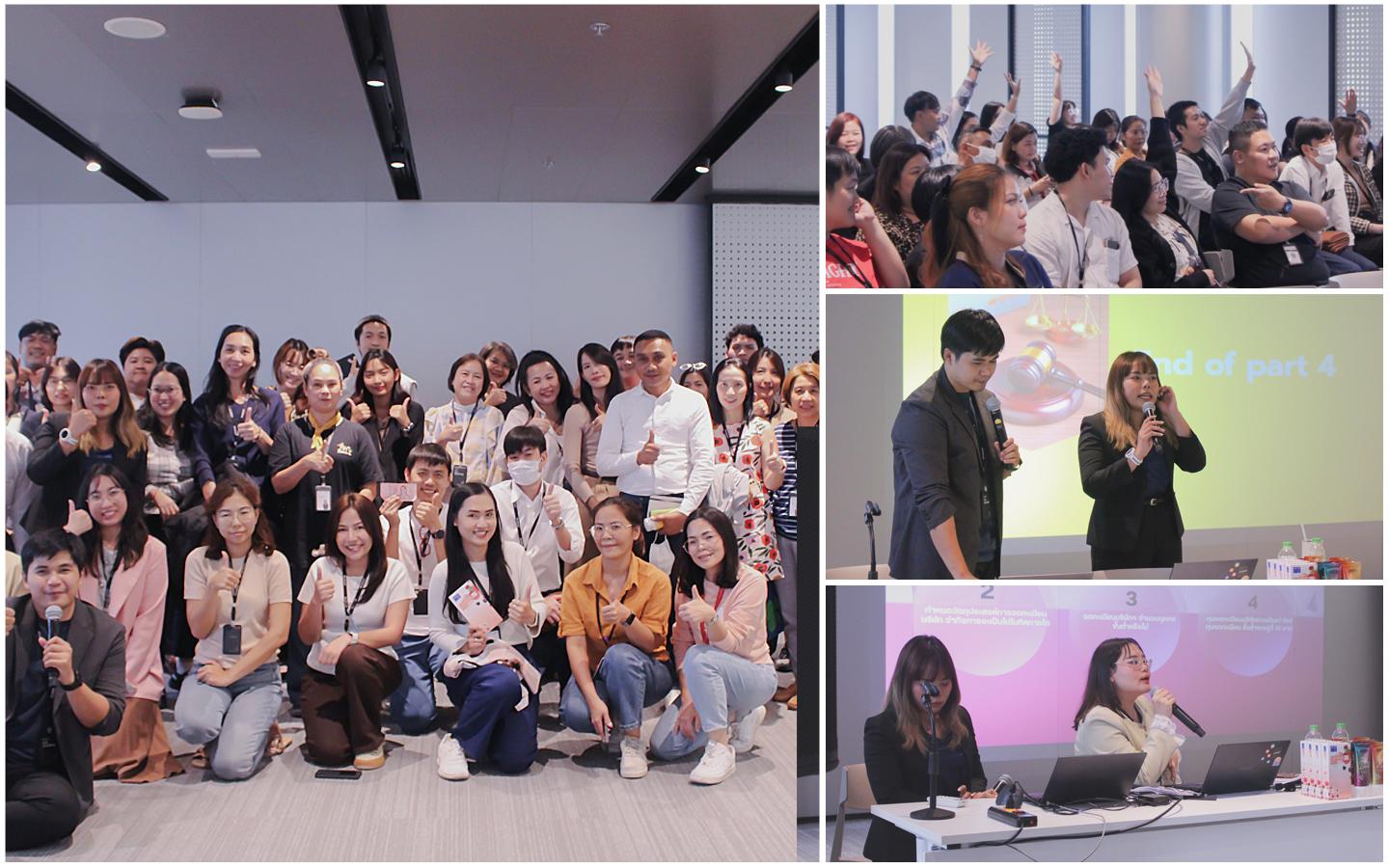
Course competency in action for supervisors (Batch 2)
To further enhance the efficiency of supervisors' work performance, the company has organized a course Competency In Action for supervisors, primarily to transform "theory" into "practical application" and enhance capabilities in managing people and tasks. Measure results by providing practical training through simulated classroom scenarios. Learners can apply performance evaluation criteria to accurately analyze and score their own and their team members' performance, in line with organizational operational standards, and provide feedback on the performance of team members clearly, directly, and practically applicable in their work. 33 employees participated out of a target of 50, representing a 66% success rate. The post-course assessment achieved 83% from a target of 85%, representing a 98% success rate.
The company expects employees to apply these principles correctly and legally, which will be reflected in the 2025 results with no complaints regarding unfair employee performance evaluations within the company.
AI Executive Training Program
AI Transformation cannot truly happen if executives do not lead this transition. This is not merely about introducing new technology into the organization; AI represents a structural change that impacts mindset, work processes,
and overall culture. Without leadership from the top, change often lacks sufficient momentum. When executives
step up as change leaders, they not only create a clear direction for everyone to understand but also build confidence that moving towards AI is crucial and valuable for the organization's future. The strong role played by executives also signals that this change is not just a temporary trend but a strategy that requires support from everyone in the organization.
The company organized a 4-day training course in October 2025, with key content including:
Overview of AI transformation in business: Use cases for marketing, KOL, Content, Media plan, AutoPost, Framework for AI implementation in organizations, and identifying real business pain points with potential
AI solutions.Principles of custom GPT to meet organizational needs, AI workflow design, Prompt engineering techniques,
and initial Custom GPT creation experiments.Understanding of basic AI Agent creation and examples of AI agents in real business, connecting AI agents with data sources, protecting organizational data, and limitations of using external AI.
Understanding how to bring real pain points into in-depth discussions, planning the practical implementation of
AI within the organizational context, methods for calculating AI project ROI, and benchmarking indicators for productivity, efficiency, and cost saving.
45 executives participated out of a target of 50, representing a 90% success rate. The expected outcome is the establishment of a mindset that executives are resource decision-makers, whether in budget reduction, time management, or personnel allocation, which are crucial components for successful AI Transformation. Leadership initiation also inspires and builds trust among employees, because when executives are seen as willing to learn, experiment, and implement AI, employees are motivated and courageous enough to follow suit, not merely by command, but by collaborating towards a shared direction of change. Therefore, the role of executives in leading AI transformation is vital, not because they are superiors, but because they are visionaries, trust-builders, and empower change sufficiently to drive the entire organization forward simultaneously. Top-down leadership is not an option,
but a prerequisite for AI Transformation to achieve real and sustainable success in the long term.
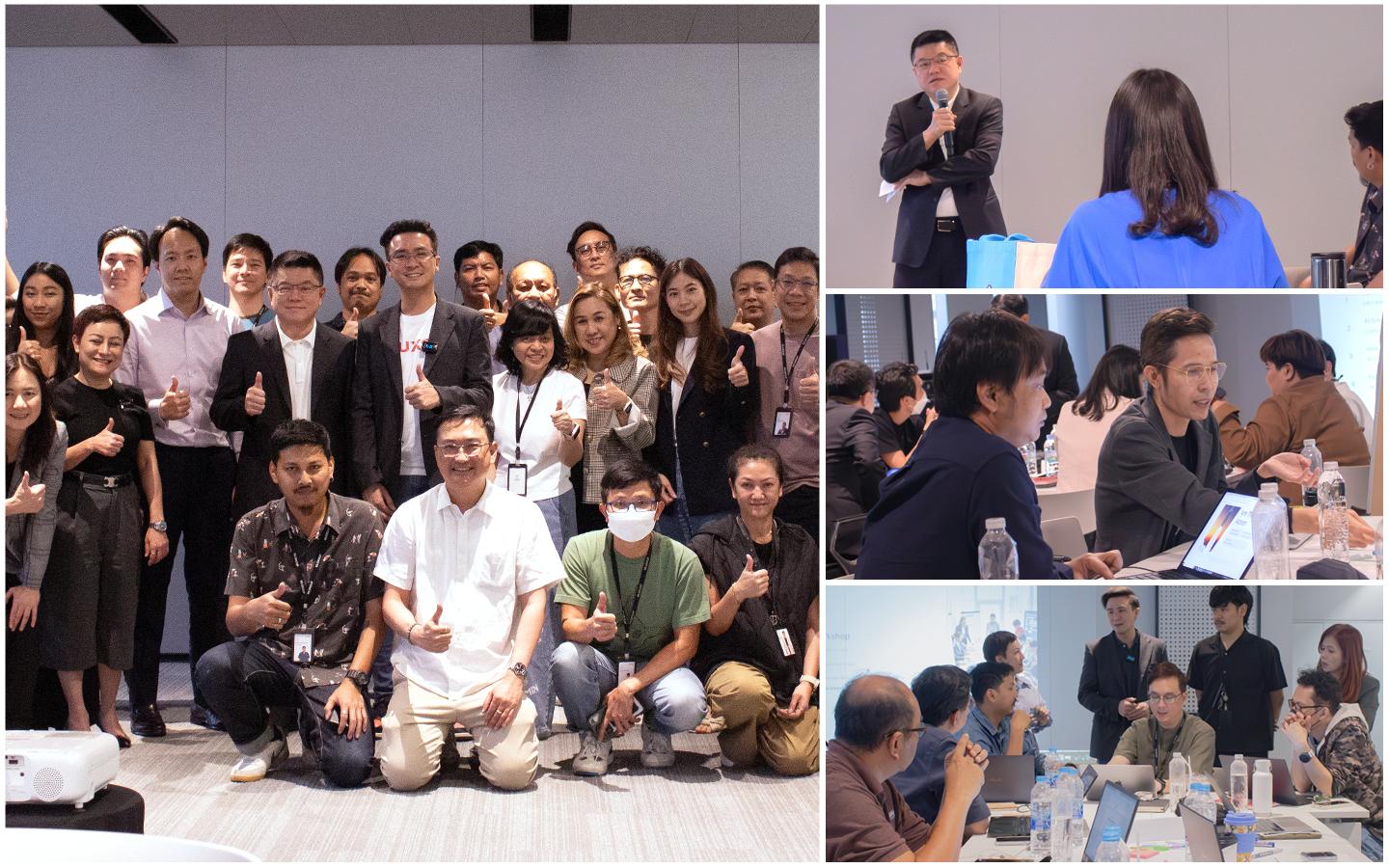
Training Data
| Metric | Current Year | Previous Year | Two Years Ago |
|---|---|---|---|
| Average employee training hours (Hours / Person / Year) | 3 | 17 | 8.2 |
| Employee development and training expenses (baht) | 862,752 | 708,173 | 471,989 |
Employees — Occupational Health & Safety
Introduction
Summary of Health and Safety Performance in the Working Environment
Operations for the year 2025 | Goal | Performance Results | Success |
Number of work-related injuries resulting in lost time among employees (LTIFR) | 0 times/year | 0 times/year | 100 percent |
Number of work-related injuries resulting in lost time among partners or contractors | 0 times/year | 0 times/year | 100 percent |
Number of work-related injuries resulting in loss of body parts among employees | 0 times/year | 0 times/year | 100 percent |
Number of work-related injuries resulting in loss of body parts among partners or contractors | 0 times/year | 0 times/year | 100 percent |
Number of work-related fatalities among employees | 0 persons/year | 0 persons/year | 100 percent |
Number of work-related fatalities among partners or contractors | 0 persons/year | 0 persons/year | 100 percent |
Performance of health and safety in the working environment
The Company has established a Safety, Occupational Health, and Working Environment Committee in accordance
with the Ministerial Regulation on Standards for Administration and Management of Occupational Safety, Health,
and Working Environment B.E. 2549, dated May 16, 2549. Executives are appointed as employer representatives and employee representatives as employee representatives to consider policies and work safety plans to prevent and reduce accidents for employees and external personnel working on-site. This also includes promoting and supporting safety activities and training, along with organizing various activities that appropriately enhance employee welfare.
The performance in 2025 aligns with the "zero accident target," achieving 100% success, reflecting the company's tangible commitment to safety.
"Project to Improve the working environment for employees"
The Company has undertaken improvements to the employee environment, such as creating a relax room with personal storage corners on every floor of the work area and providing sufficient relaxation space for employees to sit, relax during lunch breaks, coffee breaks, or use for small team meetings to prepare for work. Additionally, regular activities are organized to promote and strengthen internal departmental relationships, such as costume contests for various festivals, covering both aesthetic and creative categories, as well as team-building activities to foster teamwork. These relaxed atmospheres will further enhance employee work efficiency.
In 2024 and continuing into 2025, the Company utilized employee feedback to develop the working environment
by creating a health hub area, which includes open spaces, relaxation corners, small meeting zones, along with
special-priced beverage and snack services, to encourage employees to have more spaces for relaxation and interaction.
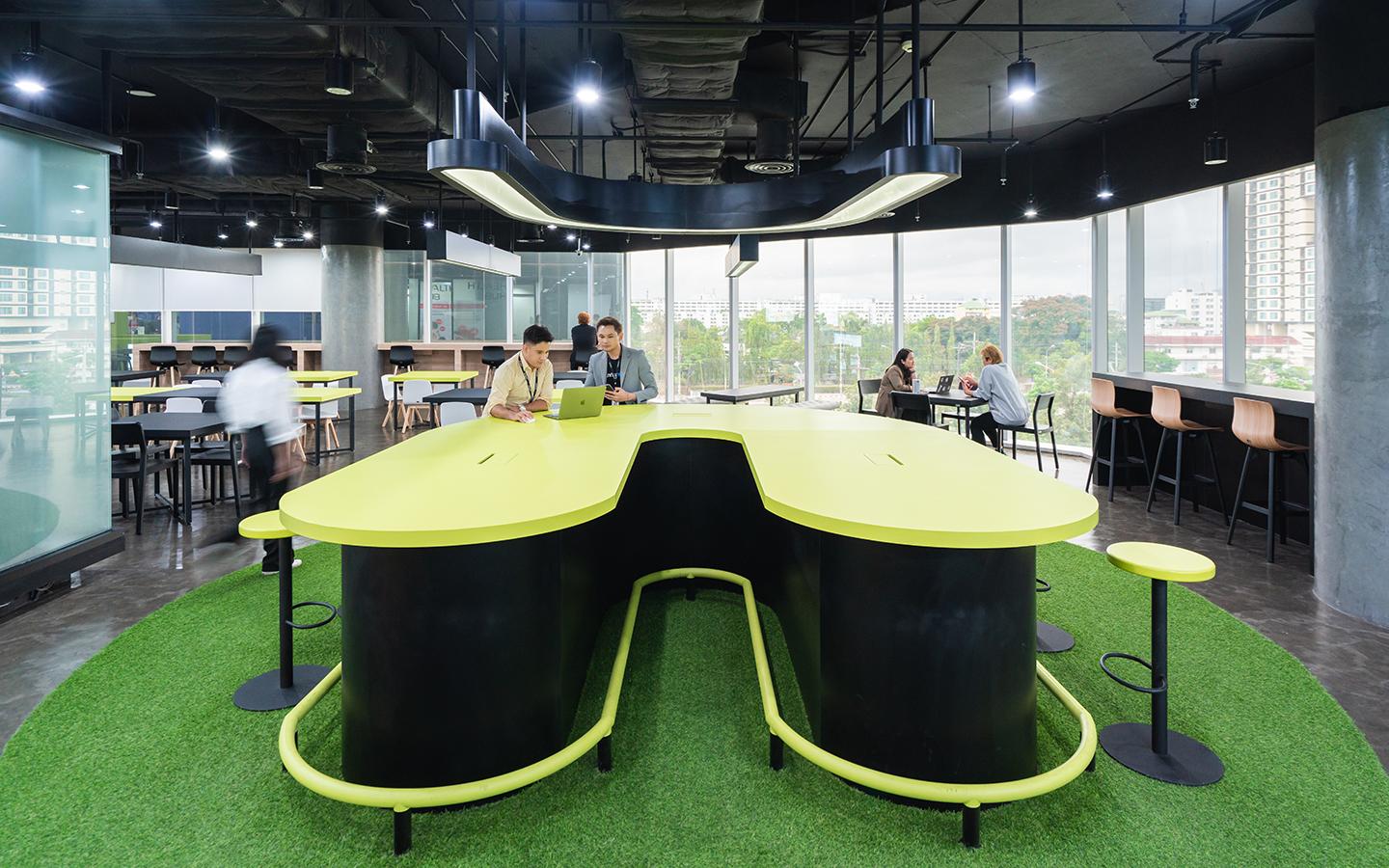
“Annual training project on occupational safety, health, and working environment”
The Company prioritizes workplace safety. The Asset and Office Building Management Department organized the aforementioned training course on February 6, 2026, to ensure that trainees acquire knowledge, understanding,
and a collaborative role with safety officers in discussing operations and finding ways to enhance workplace safety.
This is in accordance with the Ministerial Regulation on Standards for Administration and Management of Occupational Safety, Health, and Working Environment B.E. 2549. The trainers were from the Occupational Safety and Health Association (Thailand) under Royal Patronage of Her Royal Highness Princess Maha Chakri Sirindhorn, which is a training institution registered by the Department of Labor Protection and Welfare. The training content included a pre-training test, knowledge dissemination, group activities on workplace safety, and a post-training test.
"Annual Fire Drill and Evacuation Training Project"
The Company, through its building and engineering management department, in collaboration with the Asset and Office Building Management Department, organized the "Basic Firefighting, Fire Drill, and Annual Evacuation Training Project for 2025" on February 6, 2026. This was to ensure that trainees acquire good knowledge and understanding of workplace safety and receive training in safety, occupational health, and working environment, in accordance with the Ministerial Regulation on Standards for Administration and Management of Occupational Safety, Health, and Working Environment concerning Fire Prevention and Suppression B.E. 2555, dated December 7, 2555. Article 30 stipulates that employers must arrange for all employees to participate in fire drills and evacuation drills simultaneously at least once a year.
All employees of all employers working within the same building, on the same day and at the same time, must participate in the training simultaneously. The training was conducted by instructors from the Bang Khen Fire and Rescue Station, and the content covered both basic firefighting training and fire evacuation drills.
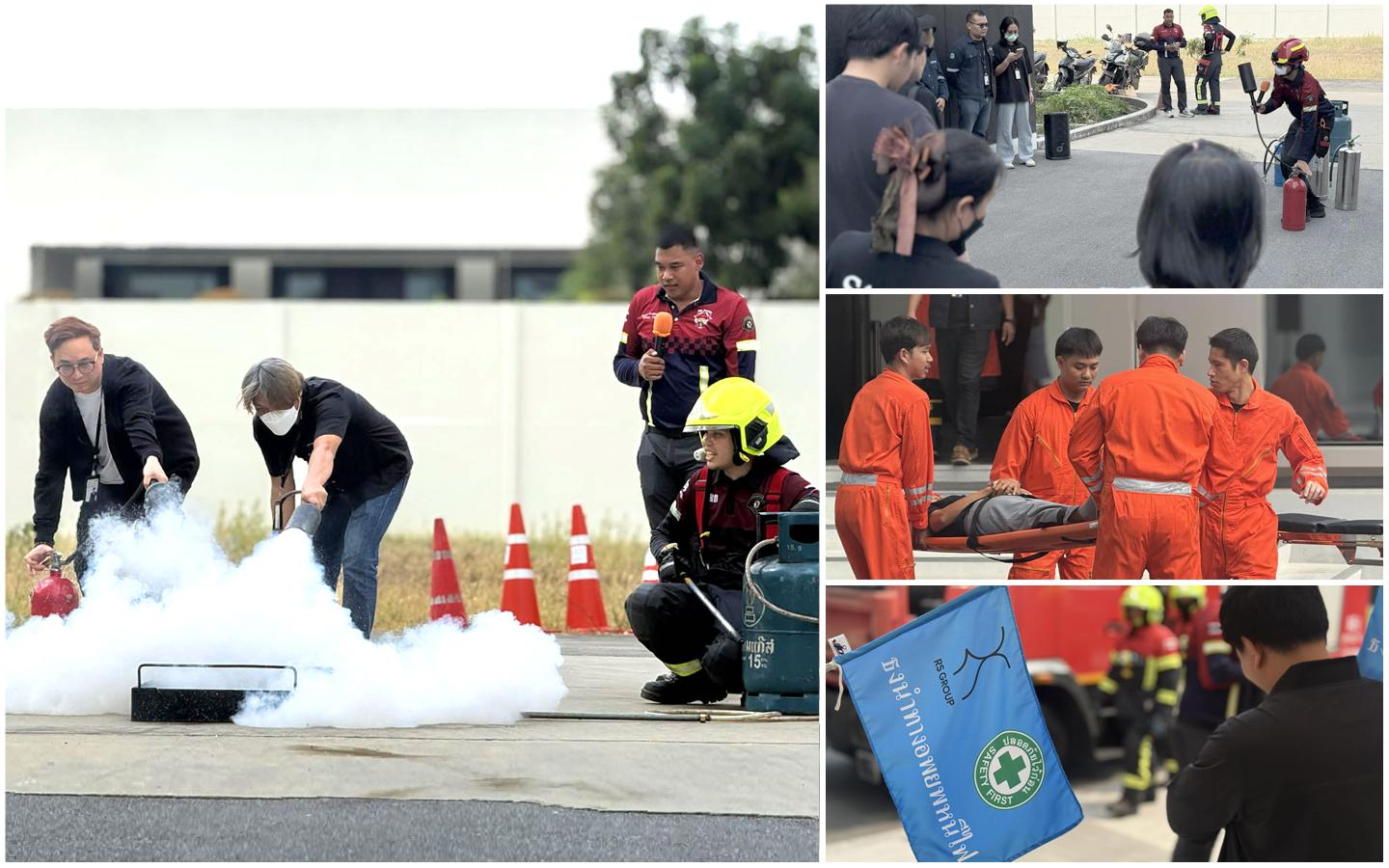
"Employee Health Promotion Project RS Fit Challenge and Health Clubs "
The Company recognizes the current importance of promoting employee health, which should not be limited to health insurance or health check-ups annually, as it only helps alleviate and monitor health problems. In reality, employees accumulate risks daily that cause health problems. Therefore, in 2025, the RS Fit Challenge activity was organized to encourage employee participation in a weight loss competition, both individual and team categories, which received excellent feedback. Additionally, Health Clubs were established, focusing more on proactive group health promotion activities to ensure employees are healthy, emphasizing employee engagement rather than numerical results.
These activities foster relationships and encourage employees to change their health behaviors, leading to truly sustainable results.
Qualitative Benefits
Benefits for individuals: Helps employees reduce the risk of non-communicable diseases (NCDs) such as diabetes, hypertension, or heart disease, etc., and promotes healthy lifestyle behaviors in the long term. Employees have improved health, physical strength, and morale at work.
Benefits for the Company: Increases work efficiency, enhances workplace happiness, reduces sick leave rates and employee turnover rates, and lowers related costs such as medical assistance expenses, new employee recruitment costs, opportunity costs, and other healthcare expenses.
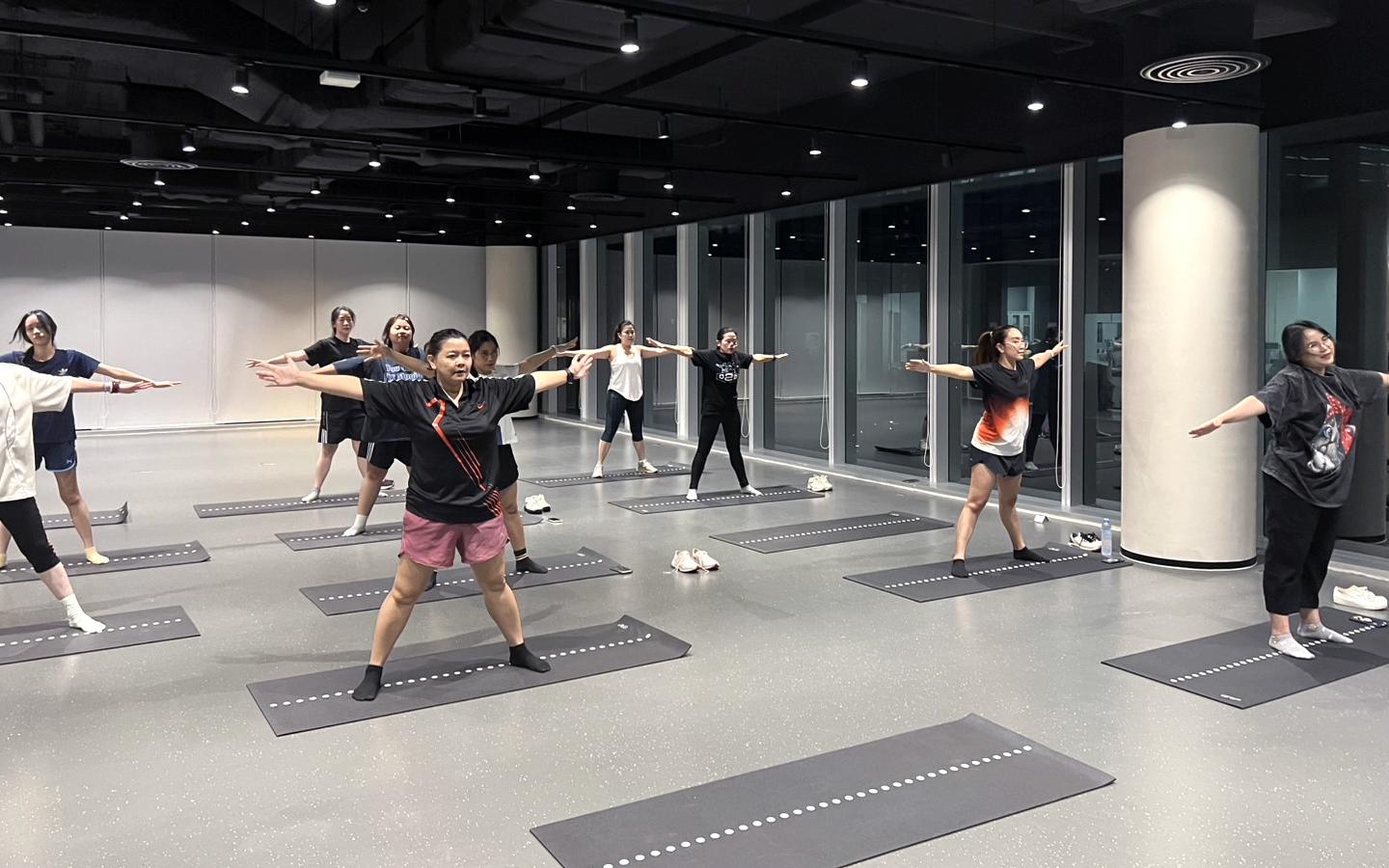
"Public Relations International Self-love Day"
The Company encourages employees to manage their mental well-being alongside their physical health. On the occasion of February 13th, International Self-love Day, the Company promoted awareness among employees and the public about learning to love themselves more, as follows:
RS Group would like to share ways to 'love yourself' more.
Self-love does not mean being selfish, ignoring others, or being narcissistic. Instead, it means being kind and compassionate towards oneself (Self-Compassion), being gentle with oneself on days of mistakes or disappointments, without blaming oneself, but understanding that these are normal human experiences.
Kristin Neff, Assistant Professor in Educational Psychology at the University of Texas, divides self-compassion into three components:
Self-kindness: Being gentle and not blaming oneself on days of mistakes or disappointments. This does not mean ignoring or neglecting errors, but rather acknowledging and understanding that the event has occurred. Do not blame yourself, as it does not improve the situation.
We are merely human (Common Humanity). Mistakes, pain, and obstacles encountered in life are normal.
Mindfulness: Understanding mistakes consciously, without judgment or blame, and not using emotions to solve problems.
When we can be kind to others and embrace them gently, let us not forget to extend that gentleness to ourselves.
For instance, when performance targets are not met, do not blame yourself for being unskilled or unintelligent. Instead, consider the causes to develop yourself in the future. Practice self-love gradually, start by being kind to yourself, and embrace yourself sometimes, so that we can fully love ourselves before giving love to others.

Mental Health Prepare & Empathetic Communication Training
RS Group continues to elevate all dimensions of life. One example of this commitment is the growth of ULife,
a business under RS Group that focuses on developing knowledge and skills to become a professional Health Buddy, capable of caring for oneself and others with understanding and principles. By organizing the Mental Health Prepare & Empathetic Communication course with counseling psychologist Khun Chatdanai Sornchai, who contributed knowledge and skills in mental care, enabling Health Buddies to be trusted health partners.
The main content of this course includes understanding basic mental health, learning self-care tools, designing a
self-care plan, practicing deep listening, communicating with understanding, and establishing boundaries for sustainable care of others. Because for us… success is not measured solely by business results, but by being an integral part of
truly enhancing the quality of life for people and society.
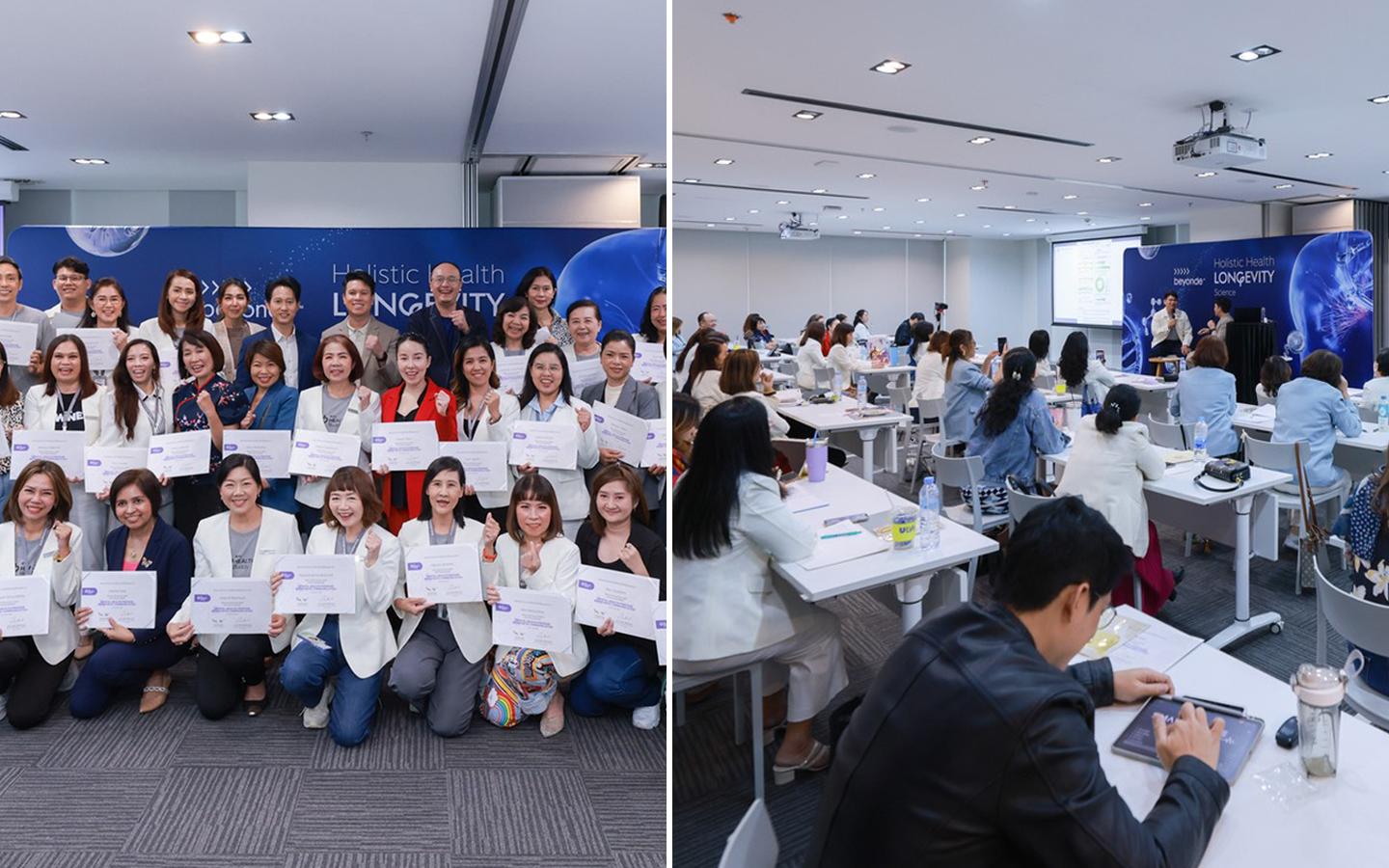
Occupational Health & Safety Data
| Metric | Current Year | Previous Year | Two Years Ago |
|---|---|---|---|
| Total number of lost time injury incidents by employees (Cases) | 0 | 0 | 0 |
Employees — Labour Relations
Labour Relations — Introduction
Summary of performance in promoting employee relations and engagement
"Measuring employee satisfaction levels with the best place to work certification model"
In 2024, continuing into 2025, the Company has adjusted its employee satisfaction assessment model to a "Best Place to Work Certification" format, by collaborating with professionals such as WorkVenture to identify the true needs of employees within the company through collecting conversational data and conducting surveys among employees with diverse job functions, lengths of service, genders, and ages. A total of 271 participants were involved. The results showed that the Company was certified as a Best Place to Work for 2025, with the following key success factors:
Diversity & inclusion. A prominent feature in fostering diversity and non-discrimination within the organization
is gender identity, which has been clearly echoed, making the organization outstanding in this area. Therefore,
it is crucial to promote and reinforce this experience to become an organizational strength, as well as to reduce age differences among employees from becoming obstacles or barriers in collaborative work.Trust/Self-regulation. Receiving trust from supervisors or managers is a distinctive aspect of working here. Therefore, the organization should maintain and enhance this through policies, interpersonal conduct guidelines, and by developing supervisors' skills to assign tasks and utilize effective tools, such as situational leadership, which will be beneficial and further enrich this experience.
High responsibilities, as well as experiences in trust and autonomy in performing tasks independently.
When assigned important and highly responsible tasks, what will help develop this experience are leaders
and executives who will collectively build a culture of trust while enhancing the skills and tools for supervisors.
This enables them to design job positions that have significant roles within the organization and effectively communicate to employees to recognize, understand, and appreciate the importance of their roles and duties.Teamwork/Collaboration. The organization excels in the experience of teamwork and mutual support, particularly regarding the sense of camaraderie and approachability. By fostering strong relationships among employees,
a sense of unity and solidarity will become a prominent experiential strength for the organization. To make this even clearer, increasing opportunities, spaces, and platforms for collaboration and mutual communication and assistance is increasingly necessary to make this experience tangible and perceptible.Mentoring & sharing. Supervisors and colleagues are crucial individuals in assisting with job training, sharing information, and various work methods. Therefore, if the organization can enhance supervisors' coaching skills
and provide opportunities for colleagues to exchange and share their knowledge and experiences with others,
it will further strengthen the organization's experience in this area. Moreover, the organization can create a unique learning culture by increasing opportunities and platforms for coaching and sharing.
The Company has utilized the results of this analysis to design various projects to appropriately meet employee needs. For instance, the mentoring & sharing aspect has been incorporated into developing the Leadership RSIAM curriculum: Master Communicator, Influential Leader, to further enhance the effectiveness of supervisors and improve employee engagement.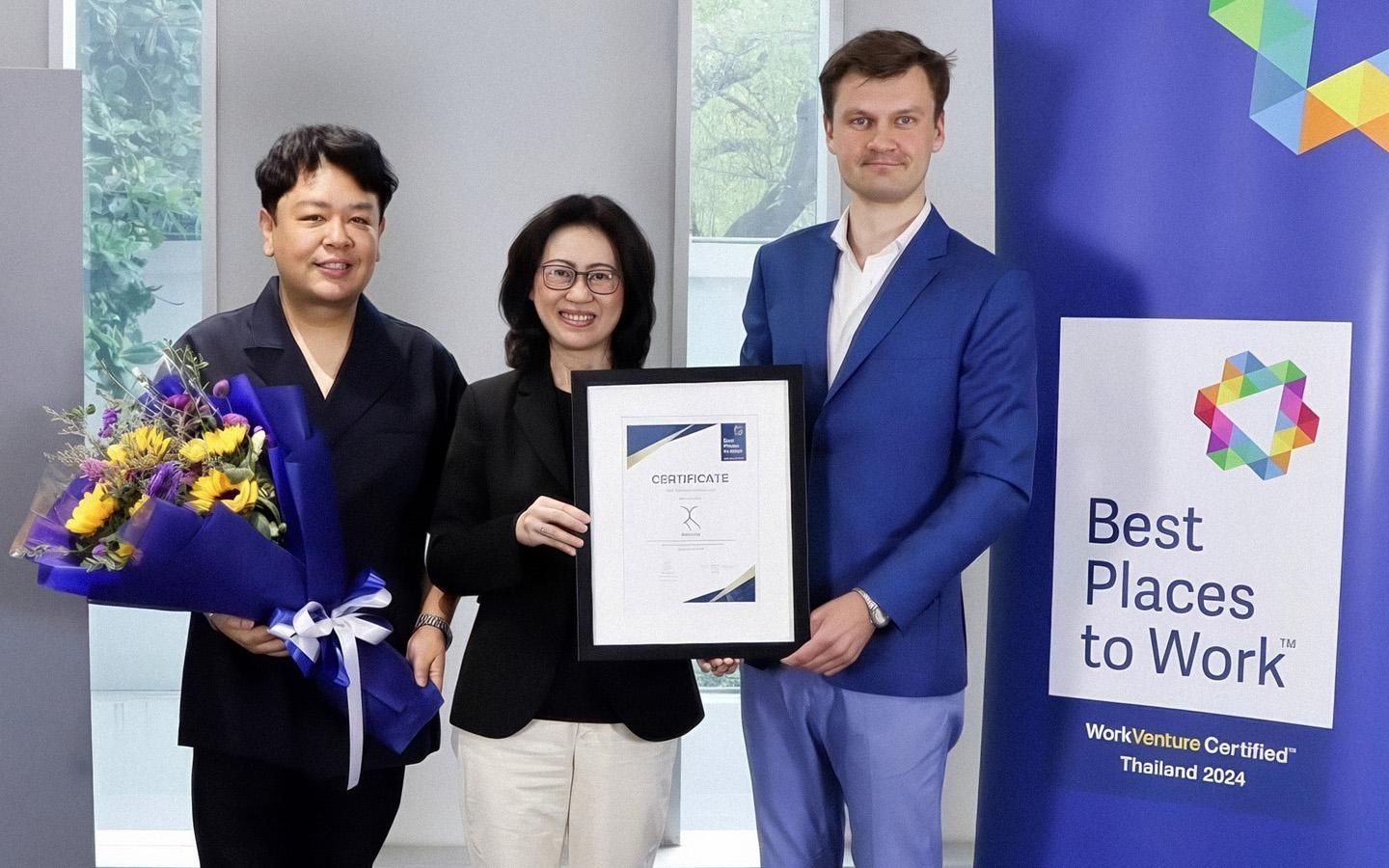
Labour Relations Data
| Metric | Current Year | Previous Year | Two Years Ago |
|---|---|---|---|
| Total voluntary resignations (Persons) | 296 | 261 | 283 |
| Male employees who voluntary resigned (Persons) | 91 | 88 | 124 |
| Female employees who voluntary resigned (Persons) | 205 | 173 | 159 |
| Percentage of employee turnover leaving the Company voluntarily (%) | 38.24 | 9.61 | 21.15 |
| Evaluation result of employee engagement | 1 | 1 | 1 |
Employees — Employee Representation
Introduction
The Company regularly monitors and evaluates its operations in accordance with relevant laws, regulations,
and practices concerning human rights and fair labor treatment. This includes permitting the establishment of
"Welfare Committees in Establishments" across all business units, in compliance with the Labor Protection Act
B.E. 2541 (1998). These committees serve as a channel for oversight, consultation, lodging complaints, and facilitating joint discussions between the Company and its employees regarding welfare, benefits, or any changes in regulations that may impact the Company's personnel.
Employees Are Represented Collectively
Yes
Forms of Representation
| Form |
|---|
| Welfare committee |
Employees — Targets
Has Set Employee Targets
Yes
Targets
| Indicator | Target Areas | Target Year | Target Year — Description |
|---|---|---|---|
| - Total hours of employee training participation. Target: 5,000 hours/year - Average hours of internal employee training. Target: 5 hours/person/year - Proportion of employees attending at least 1 course. Target: 100% of all employees - Proportion of employees with performance goals set. Target: 100% of all employees - Proportion of new employees receiving orientation. Target: 100% of all new employees | 2984 · Description: Employee training and development · 2985 · Description: Promoting employee relations and participation | 2,025 | - Total hours of employee training participation: 2,359 hours/year
> Below target
- Average hours of internal employee training: 3 hours/person/year
> Below target
- Percentage of employees attending at least 1 course: 95% of all employees
> Below target
- Percentage of employees with performance goals set: 100% of all employees
> Achieved target
- Percentage of new employees who received orientation: 100% of all new employees
> Achieved target |
Employees — Performance & Outcomes
Has Performance Results
Yes
Performance Description
RS GROUP receives "ESG DNA from SET" certificate.
RS Group received a certificate for the ESG DNA project from the Stock Exchange of Thailand, aiming to develop the organization by promoting sustainability knowledge among its personnel. Mr. Kriangkrai Ruangmethanoparat, Chief Human Resources Officer of RS Public Company Limited, represented the company in receiving the certificate. Since 2024, we have encouraged executives and and employees at all levels to learn ESG principles until they meet the criteria, helping to lay the foundation and instill sustainability DNA, enabling both executives and employees to further apply these principles to their departmental operations more effectively.
In addition to this project, RS Group is committed to driving business growth in conjunction with sustainable operations, encompassing responsibility towards communities, society, and the environment, as well as continuously supporting
the United Nations' Sustainable Development Goals under the ESG framework.
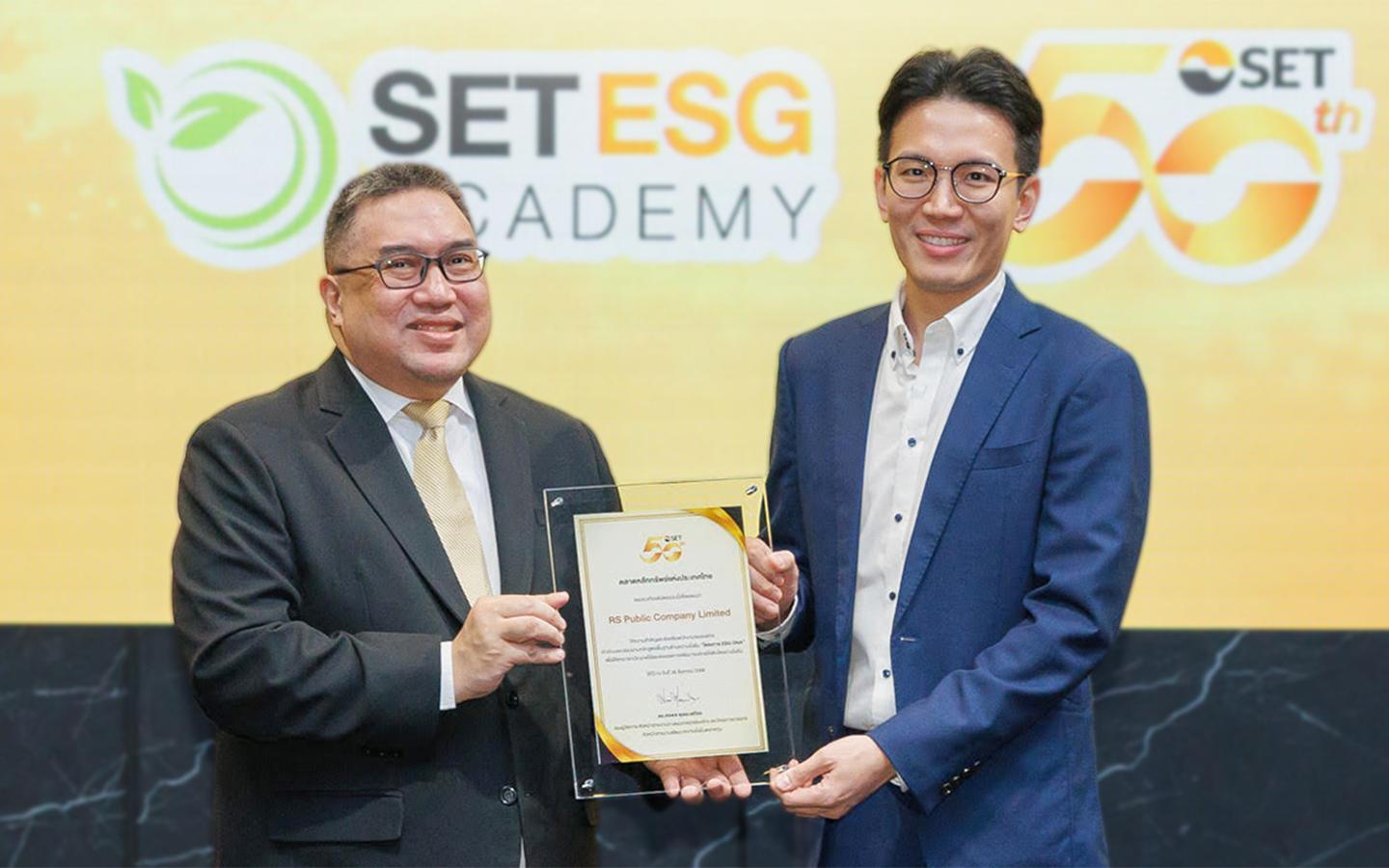
RS GROUP ranked 37th in "Top 50 Companies in Thailand 2025" by WorkVenture.
This marks another proud achievement for RS Group, having been recognized by WorkVenture for the second consecutive year as one of the Top 50 Companies in Thailand, acknowledged as "the most desired organization for the new generation to work with in 2025." This recognition is based on both online and offline surveys of 12,559 workers aged 22-35 in Bangkok and its vicinity.
This achievement reflects RS Group's commitment to being an organization of opportunities and a diverse environment where all employees can shine. This is achieved through work styles and organizational culture that align with the needs of the new generation, supporting everyone to grow with RS by delivering valuable work experiences filled with learning opportunities and challenges in both the entertainment and commerce businesses. It also encourages everyone to develop themselves into their best cross-functional versions creatively, ensuring employees achieve career advancement and are ready to grow with RS throughout their careers to reach their best selves.
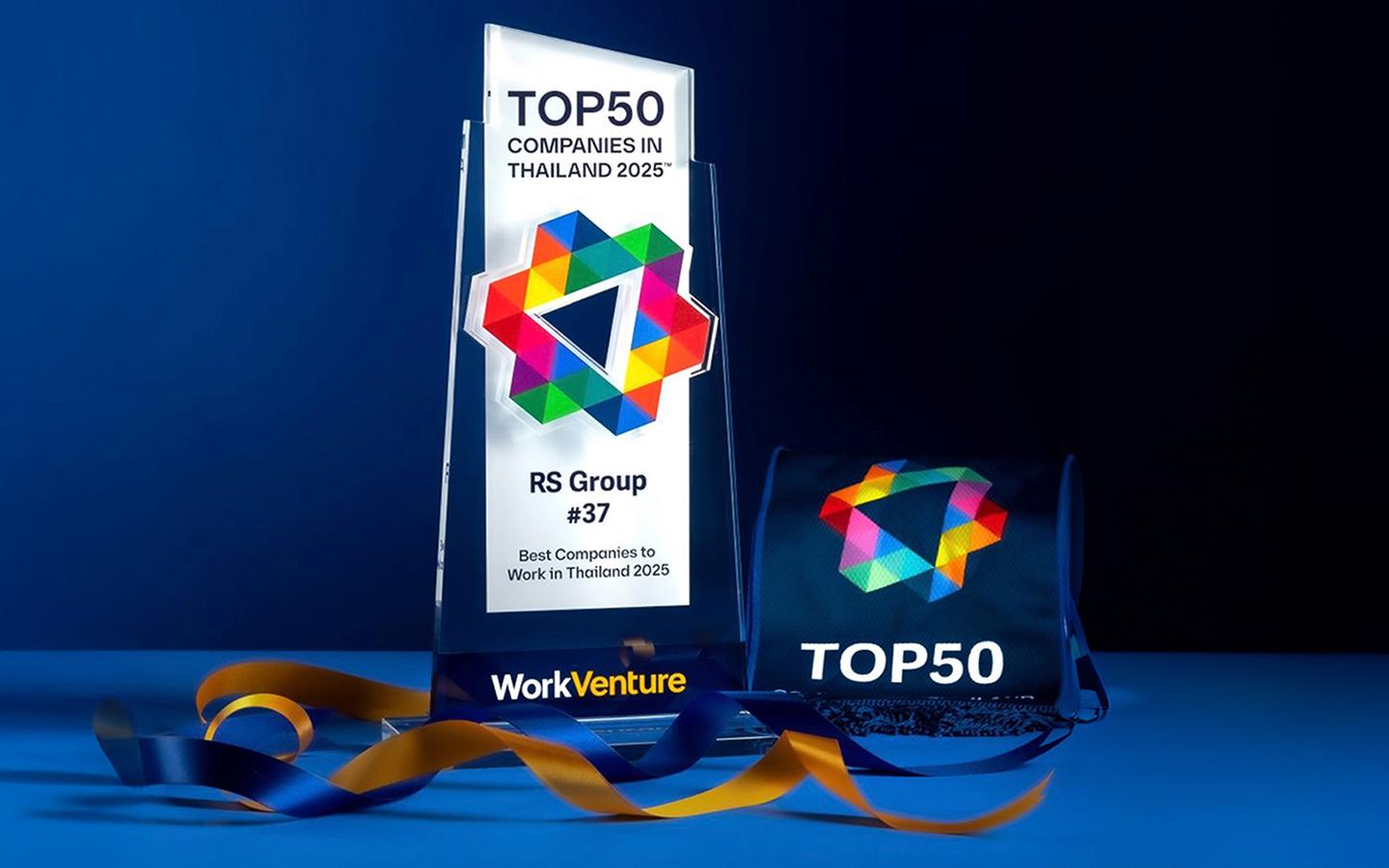
"Finalist in Best Creator Performance on Social Media" award, News Reporter category.
RS Group extends its congratulations to Mr. Phutthapiwan Ongphrabaramee, host of "Lui Chon Khao" on Channel 8,
an RS Group television station, for receiving the Finalist award in the Best Creator Performance on Social Media category for News Reporter. He is one of the top 5 news anchors recognized for outstanding performance on social media platforms. Ms. Jitdee Sridee, a news anchor, accepted the award on his behalf at True Icon Hall, ICONSIAM, 7th floor.

THAI FIGHT wins "Outstanding Sports Program" award at the 39th Golden Television Awards.
Recently, Channel 8, under RS Group, partnered with THAI FIGHT to win the "Outstanding Sports Program" award at the 39th Golden Television Awards for 2024, reaffirming its leadership as the King of Fighting Sports under the concept "Exciting Muay Thai must be watched on Channel 8." The quality is guaranteed by the number 1 rating from the THAI FIGHT program. Mr. Pachara Taweesak, Senior Manager of Creative Marketing at RS Multimedia and Entertainment,
and Mr. Nopporn Wathin, Chairman of Thai Fight Co., Ltd., represented the company in receiving this prestigious award.
Following this success, Channel 8 plans to continue creating sports content, including live broadcasts, competitions, and entertainment content for Muay Thai and combat sports fans, to maintain its leadership in combat sports programs. Muay Thai fans can watch 4 quality live Muay Thai programs on Channel 8 every week. Do not miss the live broadcast of the biggest global event from THAIFIGHT on "Channel 8, press 27," which features the most live Muay Thai programs in the country, and all online platforms. Stay updated on all Muay Thai sports movements on the Muay Channel 8 Facebook page.
“Kon Dang Nang Clear” celebrates over 1 billion views.
“Kon Dang Nang Clear,” one of Thailand's top hard-talk programs on Channel 8, an RS Group affiliate, celebrates exceeding 1 billion views on YouTube in the first half of the year, an increase of 40.88% from the same period last year. This reinforces its online success with a new strategy for 2025, intensely focusing on "speed, freshness, and engagement."
The program is hosted by May-Chanitnan Punnanithi, a renowned and experienced news anchor and presenter, who clarifies popular trending topics in every episode. It elevates celebrity news clearance by pulling live signals from the news team, reporting real-time updates on prominent issues from actual locations.
“Asean International Leadership Award 2025”
Channel 8 reporter wins "Asean International Leadership Award 2025" in the ASEAN to International Mass Communication category, reaffirming leadership in quality news. Recently, Mr. Kritsadakorn Phukabngern, a crime reporter (field) for Channel 8 Online News, brought renown to the Thai media industry by winning the Asean International Leadership Award 2025 in the category of Excellence in Mass Communication for Journalists and Public Relations Professionals in ASEAN to International.
The award ceremony was held at the Kuru Sapha Auditorium, Ministry of Education, organized by the Khum Klao Youth Foundation for Nation Building, in collaboration with the Ministry of Education, the Ministry of Social Development and Human Security, and the Siam Cultural Association.

“Good Journalist” award from the Provincial Newspapers Association of Thailand
Ms. Tangkwa – Jinnipa Buasaengsai, an online reporter for Channel 8 under RS Group, received the "Good Journalist" award at the 2025 Annual General Meeting, celebrating the 60th anniversary of the Association of Provincial Newspapers of Thailand.
The consideration for this award came from a committee of esteemed experts who meticulously reviewed and recognized Ms. Tangkwa's excellent performance and genuine dedication as an online reporter. She not only presented accurate and comprehensive news but also proudly devoted herself to society and the public in all areas.

Customers — Plan & Guidelines
Has a Customer Management Plan
Yes
Plan Description

Customer management concept for responsible production and service to customers
The Company focuses on delivering high-quality, safe products and services that comply with contractual obligations and strictly adhere to technical and legal standards starting with market research to understand needs, developing products and services that appropriately meet customer demands, and prioritizing manage customers at every step
by establishing a customer relationship system as a communication channel. Continuously develop products and services to meet individual needs and build brand loyalty including after-sales responsibility by providing channels
for complaints and feedback. Review impacts and monitor results for continuous improvement, with the primary objective of maximizing satisfaction and reducing customer complaints.
Guidelines for responsible production and service to customers
Market research and customer segmentation
Inspect product and service quality before delivery.
Understand the customer experience before, during, and after using the service.
Create polite and prompt interactions through various channels.
Use feedback data to measure results and improve plans.
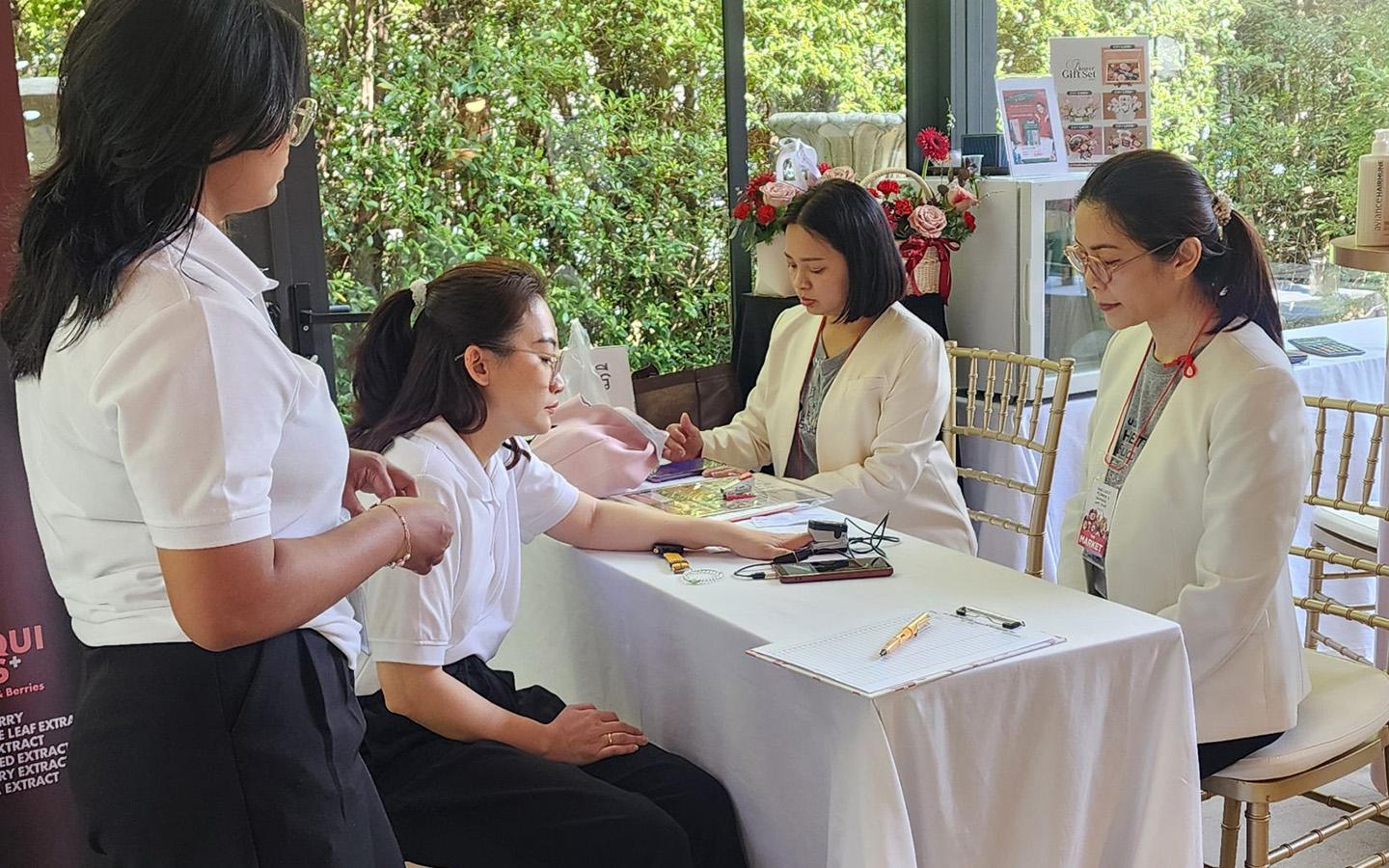
Customer management concept for communicating information about the impact of products and services to customers/consumers.
The Company has a dedicated customer relations unit responsible for providing transparent, accurate, and timely information to protect customers/consumers and build trust through clear communication guidelines, selecting appropriate channels for target audiences covering both online and offline platforms, verifying information before publication, and establishing a complaint/feedback system to foster brand loyalty. and reduce various complaints.
Guidelines customer management for communicating information about the impact of products and services to customers/consumers.
Impact identification and analysis
Analyze the risks of products or services that may affect consumers (in terms of safety, health, or usage).
Prepare detailed impact information, including advantages and limitations that should be known.
Clear and transparent communication policy
Establish a policy to provide accurate information, avoid exaggerated advertising, and fully disclose safety information.
Use easy-to-understand language, avoid complex technical jargon.
Selection of communication channels
Online: Social media, corporate website, email (for specific target audience communication).
Offline: Product labels, user manuals, press releases, customer service centers.
Select the fastest channels to reach target consumer groups.
Content and communication management
Proactive communication: Raise awareness about safe product usage and potential outcomes.
Crisis Management: If a product has issues, an immediate Recall Plan must be implemented through
all channels to minimize damage.
Interaction and listening
Establish a system for receiving complaints/questions, such as LINE OA, chatbots, Hotline.
Establish a team to receive and respond quickly to resolve issues.
Measurement and development
Assess consumer understanding through surveys or social media monitoring.
Improve communication plans based on results to align with changing customer behavior.

Concept for developing satisfaction and strengthening customer relationships
The Company focus on creating value by delivering valuable experiences beyond expectations through deep understanding of needs, communicating and serving with sincerity, utilizing technology to manage data for rapid response, and resolving issues precisely to transform general customers into loyal brand advocates, because we believe that the combination of service-minded personnel and customer-centric technology is crucial for building satisfaction and maintaining long-term customer relationships. sustainably.
Guidelines developing satisfaction and strengthening customer relationships
Understand expectations: Satisfaction arises from the comparison between "what is expected" and "what is actually received." Therefore, the Company must deliver products or services that exceed expectations to create
a positive impression on customers.Heartfelt service: Personnel must be service-minded, polite, flexible in problem-solving, and respectful to customers.
Prompt and timely: Fast service helps increase satisfaction and reduce dissatisfaction.
Customer relationship management: Utilize technology and data to remember customer information, in order
to create special offers or services tailored to their preferences.Listening to feedback : Actively listen to complaints and suggestions to continuously improve products and services.
Concept for customer personal data protection
The Company emphasizes transparency and data ownership rights, requiring strict implementation, and fully comply with the Personal Data Protection Act B.E. 2562 (2019) (PDPA). Starting with the establishment of a responsible team and clearly defining operational objectives, including notifying the purpose before collection, obtaining consent from data owners, specifying data retention periods, filtering data to collect only what is necessary, and deleting or destroying data when no longer needed. The Company continues to prioritize maintaining trustworthiness by prohibiting the use
of customers' personal data for purposes other than those stated, as well as implementing personal data security measures. We believe that if these actions are fully implemented, it will be possible to Reduce opportunities that could lead to legal offenses, including civil, criminal, and administrative. Build trust and a positive image for the business with the primary objective of Build long-term positive customer relationships.
Guidelines for customer personal data protection
Notification and consent: Before collecting data, the purpose must be stated, the privacy policy must be disclosed, and clear consent from the data owner must be obtained.
Data minimization: Collect only personal data necessary for the stated purpose. Do not collect more than required.
Purpose-limited data use: Data must not be used for purposes other than those stated without obtaining new consent.
Data security: Implement technical and administrative security measures to prevent leakage, unauthorized access, or destruction.
Deletion or destruction: Upon expiration of the specified period or cessation of purpose, data must be securely deleted or destroyed.
Data owner rights: Must acknowledge customers' rights to access, correct, transfer, object to, and request deletion of their personal data.
Plan Areas
| Plan Area |
|---|
| Responsible production and services for customers |
| Communication of product and service impacts to customers/consumers |
| Development of customer satisfaction and customer relationship |
| Protection of customer personal information |
Customers — Satisfaction Results
Introduction
Customer relationship management
The Company prioritizes customer relationship management, believing that strong customer relationships will lead to increased revenue, reduced various expenses, particularly the cost of acquiring new customers, and enhanced customer satisfaction. Therefore, the Company conducts customer satisfaction evaluations regarding its products and services. This involves studying customer needs based on complaint issues through telephone surveys. Subsequently, the evaluation results are analyzed and utilized to further develop and improve service quality, ensuring continuous development of business processes.
Customer Satisfaction Results
| Metric | Current Year | Previous Year | Two Years Ago |
|---|---|---|---|
| Evaluation results of customer satisfaction | 1 | 1 | 1 |
Customers — Targets
Introduction
Framework for service quality control
The Company places strong emphasis on consistently delivering high-quality services to its customers. To this end,
it has established a structured policy and systematic approach to service quality management, covering the entire process from service design and delivery to monitoring and evaluation. This framework aims to enhance customer satisfaction and build long-term trust and confidence.
The Company has implemented clearly defined service quality control procedures, which include:
Establishment of service standards
Supervision of operations through manuals and standardized operating procedures
Monitoring and evaluation of service quality through key performance indicators, such as customer satisfaction levels, service turnaround time, and the number of customer complaints
Quality audits conducted at both the departmental and organizational levels
In addition, the Company continuously improves its service processes by incorporating the results of service quality assessments and customer feedback. It also focuses on enhancing employees’ competencies to elevate service quality in alignment with customer expectations and international standards. Furthermore, the Company discloses its service quality performance indicators and results in its Annual Report and Sustainability Report, reflecting its commitment to transparency and sustainable organizational development.
Policy for service quality management
Beyond generating profits and economic growth, the Company's primary objective is to develop and deliver excellent pre and post-sales service experiences comparable to international standards. It aims to establish consistent customer relationship management standards across the organization by equipping customer service employees with accurate knowledge, a passion for service, and a strong consideration for customer safety, striving to become "Your wellbeing Partner." This Service Quality Management Policy was approved and reviewed by the Corporate Governance and Sustainable Development Committee Meeting No. 1/2022 on February 25, 2022, and has been presented to the Board of Directors for consideration and acknowledgment.
From 2023 and continuing through 2025, the Company has established guidelines for managing the service quality of telemarketing staff, ensuring compliance with service standards (Standard Measurement for RS Mall Contact Center), based on the following criteria:
Utilize customer service satisfaction evaluation results to analyze training needs for improving individual potential through service quality development and will be measured again using customer satisfaction scoring criteria.
Develop a service quality management plan monthly and conduct major evaluations twice a year.
Service quality inspection at 2 levels, namely:
Program level involves checking the service quality of a specific service center to identify areas for development. This includes analyzing errors that most significantly impact call center performance, identifying the root causes of such errors, and finding ways to correct them, along with immediate implementation of solutions.
CSS level involves individually checking the service quality of call center employees to identify areas for development, along with providing knowledge to employees to ensure their work meets standards and is more efficient.
Guidelines for establishing service quality standards
Critical error: Any information designated as crucial that must be provided completely. Errors in this category could have severe impacts and lead to order cancellations. This includes providing accurate and complete information, following customer procedures correctly and thoroughly, demonstrating enthusiasm and courtesy in service,
and considering aspects of fraud or violations of company regulations.Non-critical error: Any information designated as important where a certain number of errors are permissible.
If an error occurs, it may have a partial impact or cause customer annoyance or discomfort in communicating with us. This includes standard service conversations, easy-to-understand information delivery, complete and accurate data recording, persuasion to close sales, or encouraging various membership applications.
Performance for service quality
Employee evaluation results in the form of Performance Agent Grades provide clear guidelines for serious employee development, leading to appropriate training process improvements and continuous communication with employees. As a result, 2025 has become another year where we can better harness employee potential, both by increasing the number of A-B grade employees and reducing the number of C-D grade employees.
This has been achieved at 73.50% against a target of 75.00%.Important product and service quality evaluation results
Product claim rate of 0.17% against a target of not exceeding 1.00%
Telephone service satisfaction rate of 91.80% against a target of not less than 95.00%
The Company has utilized the evaluation results from telemarketing staff to develop various operations in line with the "Voice of Customer," which is a crucial aspect of business reflecting the highest satisfaction with products and services. Customer feedback serves as upstream data that will be analyzed and used in managing and developing service quality. This helps the Company understand customer issues, needs, and expectations, enabling it to effectively develop its products, services, and operational processes. In addition to measuring service satisfaction via telephone, the Company also has projects to develop the potential and promote the advancement of its employees, adhering to the principle of "prioritizing service quality management."

Has Set Customer Targets
Yes
Targets
| Indicator | Target Areas | Target Year | Target Year — Description |
|---|---|---|---|
| - Telephone service satisfaction rate: Target at least 95.00% - Product claim rate: Target not exceeding 1.00% | 3009 · Description: Development of customer satisfaction and customer relationship | 2,025 | -Customer satisfaction rate for telephone service achieved 91.80%
> Target not achieve
- Product claim notification rate achieved 0.17%
> Target achieved |
Customers — Performance & Outcomes
Has Performance Results
Yes
Performance Description
Service process development
With modern technology, consumer shopping behavior has rapidly changed. From traditional in-store shopping,
which faced issues such as traffic, making people reluctant to leave home or waste time, and limited product choices at convenient branches, RS Mall emerged as a platform offering products and services to enhance health and holistic well-being (Good Health & Wellbeing). RS Mall was thus created with the goal of providing new shopping experiences
by presenting a diverse range of products and services that meet consumer demands for fast, convenient, and reliable purchasing of goods and services, through inspiring storytelling to help enrich everyone's lives. All products sold have received certification from the Food and Drug Administration (FDA), featuring valuable natural ingredients as quality innovative products, manufactured with advanced science and technology from experts, and world-class award-winning innovations. RS Mall, as a platform focused on promoting a good quality of life for customers, primarily recommends health supplement products. Regarding customer service skills, a key advantage for employees is interpersonal skills with customers. When interacting with customers, whether via phone, email, or various social media, it is crucial for employees to be able to connect conversations and grasp customer needs to create a feeling of genuinely interacting with someone who cares and is attentive to their problems.
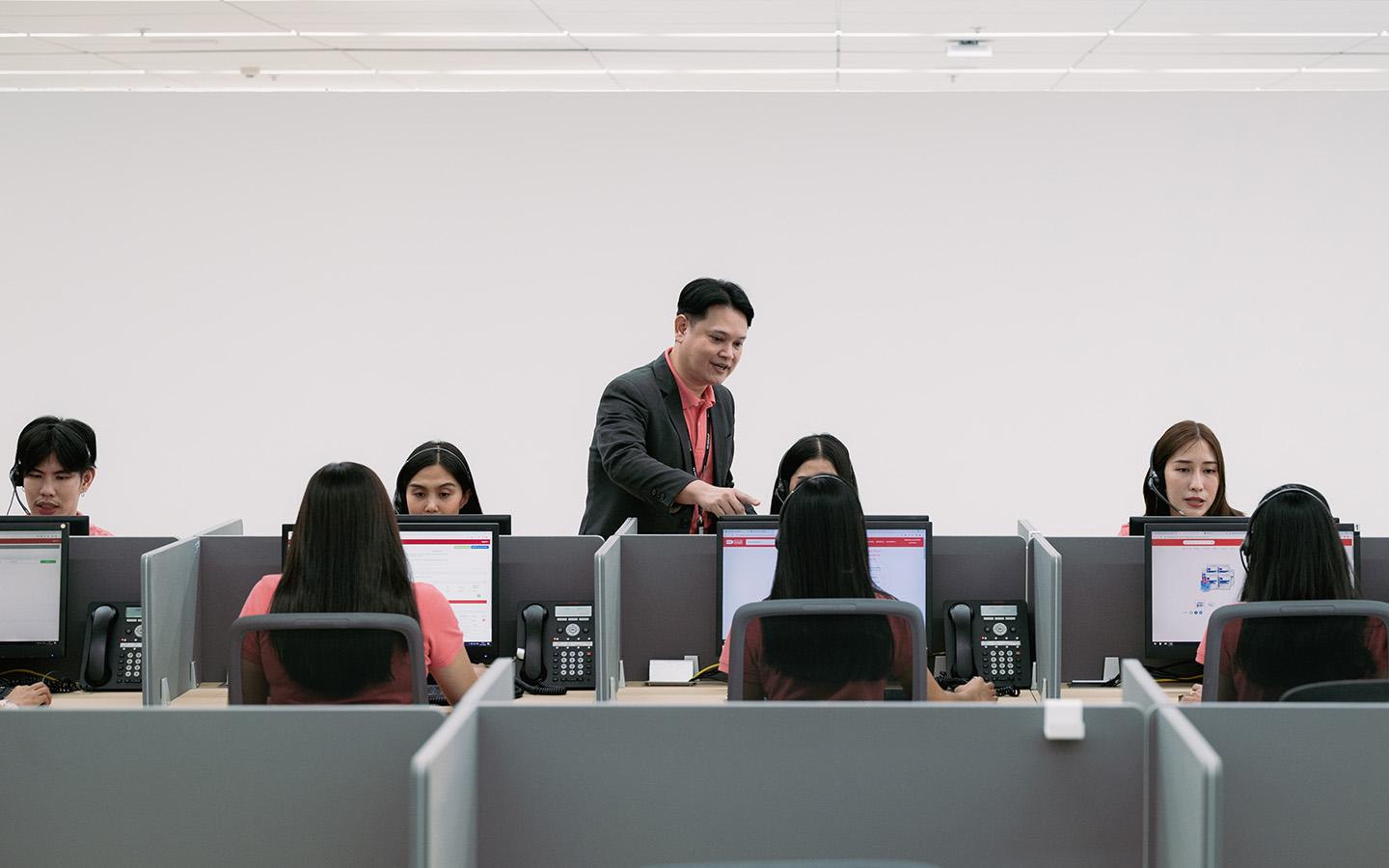
Employee potential development plan "Nursery Training and Coach program"
The objective of this project is to stimulate sales generation from the first 10 days of work for new employees.
This presents a challenge to their work capabilities and helps drive adaptation to the environment, which is a significant factor impacting the morale of new employees.
The Company has therefore redesigned its approach to onboarding new employees by introducing virtual training programs, complemented by continuous coaching in sales techniques. Each training session lasts four days, with 2–4 groups conducted per month. After the training, employees’ daily sales performance is closely monitored. Employees who do not meet the required standards are required to undergo two additional rounds of coaching by sales specialists to further improve their sales performance. To address recurring errors, the Company also applies a QA Side-by-Side Agent approach, whereby supervisors listen to each employee’s service interactions individually and provide guidance on how to use various systems effectively as working tools to further enhance customer service performance.
This resulted in a reduction of errors in the same assessment topic from 7 to 1 case within just 6 months. After the project concluded, the company was able to use the acquired data to develop training courses for new employees
to quickly enhance their work potential, and also analyze employee behavior data to develop the RS Mall Academy - Continuous Learning system, a Knowledge Management system for sales and service skills suitable for current employees.
Telemarketing staff potential development plan "RS Mall Academy - Continuous Learning"
As RS Mall is a multi-platform commerce platform selling products both offline and online, focusing on products
that promote good health and quality of life, it is committed to improving people's quality of life through product recommendations by telemarketing staff, which is the company's primary sales channel.
Therefore, to enhance the fundamental health knowledge of sales and customer relations staff, learning has been elevated to the next level through the RS Mall Academy system, a comprehensive Learning Management System, which will be a crucial aid for both existing and new employees can continuously review product knowledge,
sales techniques, and customer service through the E-Learning system at any time to deliver appropriate products
and services to customers, thereby leading to increased satisfaction levels and sustainable sales growth.
Qualitative objectives
Team leaders can provide accurate and timely product information to telemarketing staff.
The strategy team can utilize the acquired data to analyze product demands and suitable special sales offers, perfectly aligning with the behavior of each customer group.
The new product research and development team can utilize the data to improve work processes, leading to innovative products with distinctive features.
The Human Resources Development team can utilize the e-learning system to facilitate the communication of sales and service content and skills appropriate for new and existing telemarketing staff.
Quantitative goals
Encourage 80 percent of all employees to participate in the training.
Conduct knowledge and comprehension level tests, with a passing score of 80 percent.
All employees must participate in knowledge acquisition at a minimum frequency of once per month per person during the project period.
The company can utilize the acquired data to develop relevant training courses for employee knowledge enhancement and further analyze the data to enable supervisors to immediately plan coaching and monitoring activities.
Business partner potential development plan
ULife organized the "Reset Your Life" event, featuring 4 expert speakers who shared in-depth health care tips for both physical and mental well-being with numerous business partners and interested individuals who came to gain knowledge and inspiration. The event was divided into various interesting topics as follows:
Assoc. Prof. Dr. Phudit Techatiwat, Preventive Medicine Physician (Lifestyle Medicine) and Family Medicine Specialist, emphasized common diseases to be aware of and recommended holistic health care approaches based on the 6 pillars of Healthy Longevity to build both physical and mental strength.
Dr. Akanit Srisukwattana, Cardiologist and Sports Medicine Physician, explained the importance of VO2 Max, a key indicator of physical fitness. This value reflects the efficiency of the heart, lung, and circulatory systems, as well as the efficiency of cells in energy production (mitochondria), and also recommended methods to increase this value for long-term good health.
Dr. Phutharit Arunothayanun, Product Research and Development and Learning Director, RS Connect Co., Ltd. presented the concept of holistic health longevity science by beyonde, which focuses on comprehensive health care at a deep DNA level to empower cells, enabling them to efficiently regenerate organs and leading to sustainable good health and longevity for the body.
Mr. Chatdanai Sornchai, Counseling Psychologist and owner of the Psycholism Facebook page provided a psychological perspective on Healthy Longevity, focusing on stress and loneliness management, which are crucial factors for good mental health and overall quality of life.
In addition to gaining comprehensive knowledge, participants also had the opportunity to undergo bone density and vascular health checks using the Max Pulse device free of charge, enabling them to plan for appropriate and sustainable health care.
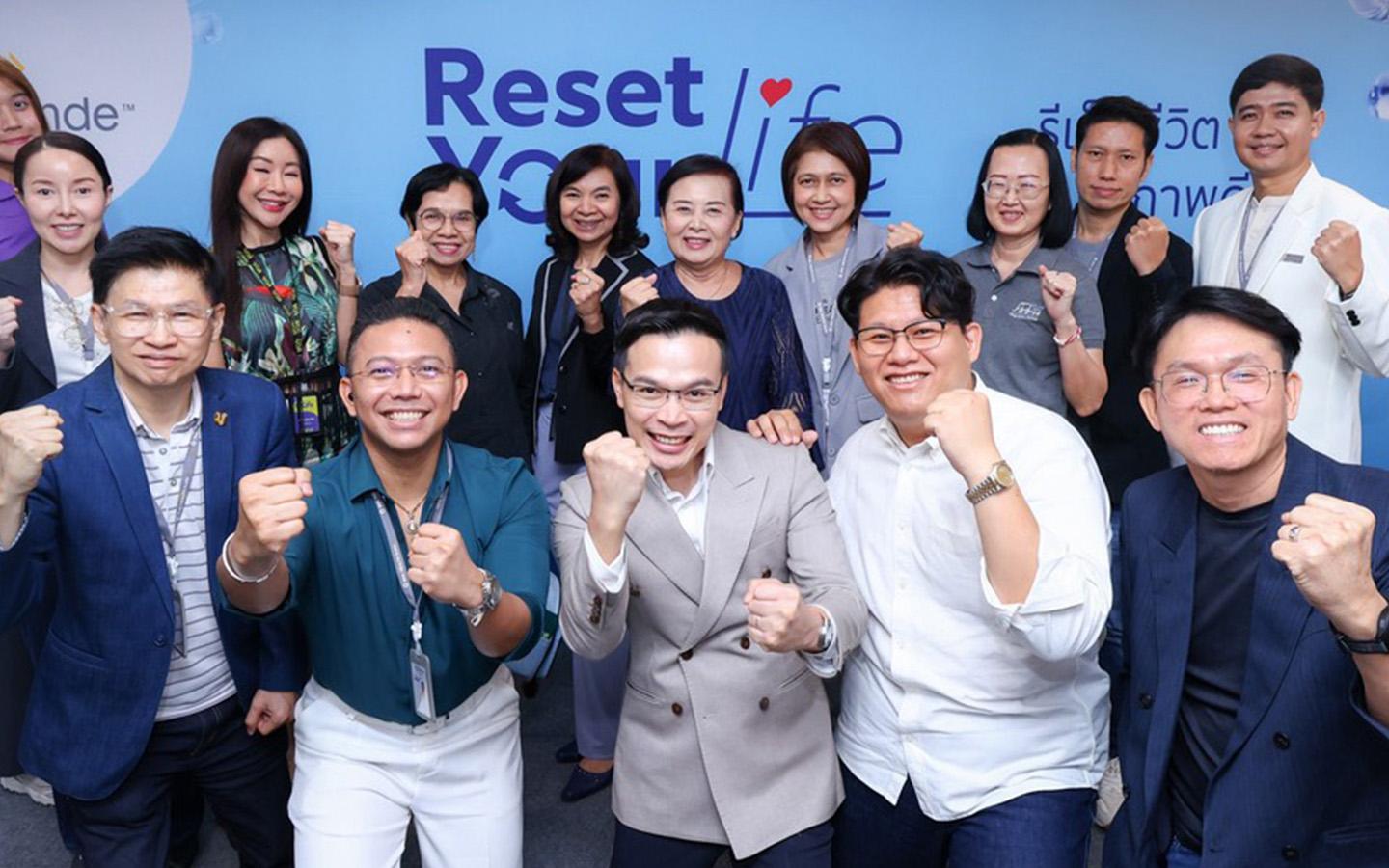
New experience-opening activities for valued customers
RS Group invites you to experience life enriching through its 3 affiliated brands.
Visit the Erb, beyonde, and aviance booths at the 36th Nai Lert Park Flower Art Festival, which combines beauty, health, and inspiration in one place.
Erb invites you to enjoy the "The Scents of Belonging" gift box decorating activity and shop for premium skincare and fragrances that convey beautiful life stories through scent.
beyonde. Try measuring stress levels with the Smart Pulse device, receive advice from experts, and sample beyonde Maqui Plus dietary supplements.
aviance. Try aviance Hairmoon Ultimate Leave-in Hair Supplement, a concentrated formula that does not require rinsing, to help restore soft, beautiful, and healthy hair.

Community & Social — Plan & Guidelines
Has a Community & Social Plan
Yes
Plan Description
Community and social engagement policy
The Company conducts its business with an awareness of its social and community responsibilities, alongside strengthening the organization and contributing to the improvement of the quality of life for people in the country.
This is achieved by sustainably addressing social issues through business processes and continuously supporting social activities, especially in communities surrounding the Company's premises. Furthermore, the Company encourages employees to participate in various activities to foster public consciousness among employees. This is to ensure that the Company gains acceptance and trust from society and the communities with which it coexists sustainably.
Plan Areas
| Plan Area |
|---|
| Employment and professional skill development |
| Education |
| Religion and culture |
| Forests and natural resources |
| Occupational health, safety, health, and quality of life |
| Disadvantaged and vulnerable groups |
Community & Social — Targets
Has Set Community & Social Targets
Yes
Targets
| Indicator | Target Areas | Target Year | Target Year — Description |
|---|---|---|---|
| Public relations for shops within the community to raise public awareness through company-owned public media, provided free of charge, for 4 shops per year. | 3036 · Description: Employment and professional skill development | 2,025 | Number of community shops promoted through the company's public media: 4 shops/year
> Acheived target. |
| The Company promotes various merchants through its various channels free of charge, with an annual budget of 2,000,000 Baht. | 3036 · Description: Employment and professional skill development | 2,025 | The Company promotes stores through its various media channels, which can generate up to 100,000 impressions annually and attract over 120,000 followers. The Company does not charge for these operations, which are valued at approximately 1,000,000 Baht per year. |
Community & Social — Performance & Outcomes
Has Performance Results
Yes
Performance Description
Performance in Community and Social Management
Creating jobs and careers for people in society through business processes.
Project "RS Nearby: Creating a New Sharing Society, Closer Than Ever Before"
Since the COVID-19 situation began in 2020, the country's economy and its people have been severely affected.
This includes self-employed individuals who had to cease operations, faced income loss, unemployment, and lacked opportunities to generate supplementary income. Meanwhile, many might have dreamed of starting their own businesses but lacked capital, were hesitant to take risks, and had no experience in self-starting. RS Group, as a leading company in the country with resources and effective public relations capabilities, and having relocated its new headquarters to the Chatuchak district during the same period, recognized the importance of creating shared value among the company, the community, and local government agencies.
Qualitative Benefits
To help promote various types of shops in Chatuchak District to a wider audience through the company's various communication channels.
Assisted in working with government and local organizations, representing a mutual benefit in improving the quality of life for people in the community.
Quantitative Benefits
Promoted various shops, totaling 4 shops, from a target of 4 shops (averaging 1 shop per quarter), representing
a success rate of 100% in creating jobs and careers for people in the communities around the company.Conduct public relations through the company's social media channels, which can generate up to 100,000 views per year, from a target of 200,000 views per year, representing a success rate of 50%.
The company does not charge for operations and public relations through business processes, which amounts to 1,000,000 Baht/year, from a target of 2,000,000 Baht/year, representing a success rate of 50%.
Shop Promotion via Social Media
Over the past three years, RS GROUP has supported small businesses in the Chatuchak area through the RS NEARBY project, showcasing these businesses via the company's online media to help them reach a wider customer base.
This time, we took another step forward RS GROUP collaborated with Kasetsart University, another crucial component of the same community, to jointly create content that helps drive businesses in the Chatuchak area to grow together. We selected Kasetsart University students interested in content production to join the RS GROUP team in real-world fieldwork, learning and developing skills from direct experience, and helping to discover great shops to recommend to our fan page.
RS NEARBY X Kasetsart University SISKU Coffee – A chic cafe within Kasetsart University
Starting with SISKU Coffee – a chic cafe within Kasetsart University that was once a photocopy shop, but today has been transformed into a healing space ready to welcome everyone to relax and change their mood through special beverages. For coffee lovers, there's a full selection of dark, medium, and light roasts to choose from according to your preferred taste. If you want to try something new, we recommend Dirty Coffee, a layered drink with chilled fresh milk and a hot, concentrated coffee shot. When consumed, it offers a soft, smooth, and aromatic sensation. As for Refreshing drink lovers must not miss the "Into Sunset" menu, a fruit juice infused with sparkling soda that instantly refreshes! Additionally, there are many other menus you must try for yourself.
Champion Cafe – A coffee and homemade bread shop that feels as warm as chilling at a friend's house.
RS Nearby, helping communities promote good products, this time invites everyone to experience the charm of coffee, matcha, homemade bread, and music from a vinyl player at Champion Cafe, a small, homey-style bread and coffee shop conveniently located in the Senanikom area. We want to widely recommend it. The atmosphere inside the shop is warm and friendly. The aroma of freshly roasted coffee and baked goods wafts through the air, and soft music plays, inviting relaxation.
Khun Oh - Tharitsanat Udomkananat, the shop owner, recounted, "I retired from my regular job and opened a coffee shop 8 years ago, renovating the first floor of my house into a cafe. This makes visitors feel like they are having coffee at a friend's house. The shop emphasizes simplicity but with meticulous care. The coffee is brewed with attention, and the prices are reasonable. We started making bread during the COVID-19 period. The shop's signature drink is Champion Coffee, made with Doi Chang double-shot coffee beans, not too sweet, topped with pure fresh milk, creating a perfectly balanced taste. Another featured menu item is Matcha Orange, which is fresh orange juice topped with matcha, offering a delightful balance of sour and sweet, incredibly refreshing. Or, if you prefer, you can substitute matcha with coffee, which is equally delicious. As for the bread, it started during the COVID-19 era when it was difficult to buy bread, as many households began hoarding. So, I decided to 'try making it myself.' I sourced butter and flour, experimented with recipes, and solved problems related to kneading and baking. It was an experience that took about a year to perfect. Importantly, we focus on ingredients, using Japanese flour and fresh butter made from 100% real cow's milk, without additives or preservatives. Popular menu items include Thai Tea Ice Cream Toast and Butter Sugar Bread. Customers love them. Some people wanted to learn how to make bread like ours, so I opened baking courses at the shop. In the future, I intend to teach online as well. You can inquire directly at the shop or on the ChampionCoffee Facebook page."
In addition to coffee and bread, another unique feature of this shop is the record player located in one corner. Dozens of vinyl records are neatly arranged, creating an atmosphere and enhancing the dining experience. Various music genres, such as jazz or classical songs from the 60s-70s, play softly alongside the sound of coffee grinding and customer conversations, giving the shop a distinct charm unlike typical coffee shops.

Khun Nid's Dried Rice Porridge – Crispy Pork Dried Rice Porridge, a secret recipe that health-conscious individuals will adore. It's not fried, not greasy, but crispy, juicy, and melts in your mouth with every bite.
Who would have thought that a simple dish like "dried rice porridge" would become a signature dish with a full house of regulars every day! At Khun Nid's Dried Rice Porridge shop, they have a unique recipe, especially for their crispy pork, which took over a year to perfect. The result is crispy pork that is fragrant, crunchy on the outside, tender on the inside, without needing any oil at all. Their crispy pork is 100% baked, making it perfect for those avoiding fried or greasy foods, yet still delivering a rich flavor, perfect crispiness, a slight juiciness when chewed, and a unique baked aroma unlike any other.
And it's not just the crispy pork that stands out this place also offers a full array of toppings, including roasted pork, crispy pork, minced pork balls, and onsen egg, all in one bowl. Another special feature is the "unique sauce" with
a mellow, fragrant, sweet, and slightly salty flavor that is perfectly seasoned and requires no additional condiments. Moreover, for those who prefer noodles over rice, there is also "yellow egg noodles with mixed toppings," offering
a different experience with chewy noodles mixed with the same generous toppings, maintaining Khun Nid's rich style completely.
Khun Nid's Dried Rice Porridge shop started from a love for cooking. The owner says she wants every dish to "taste as delicious as if cooked for family at home." From a small beginning, it has become a favorite spot for customers who turn into regulars, and the initial dedication is maintained in every bowl served.
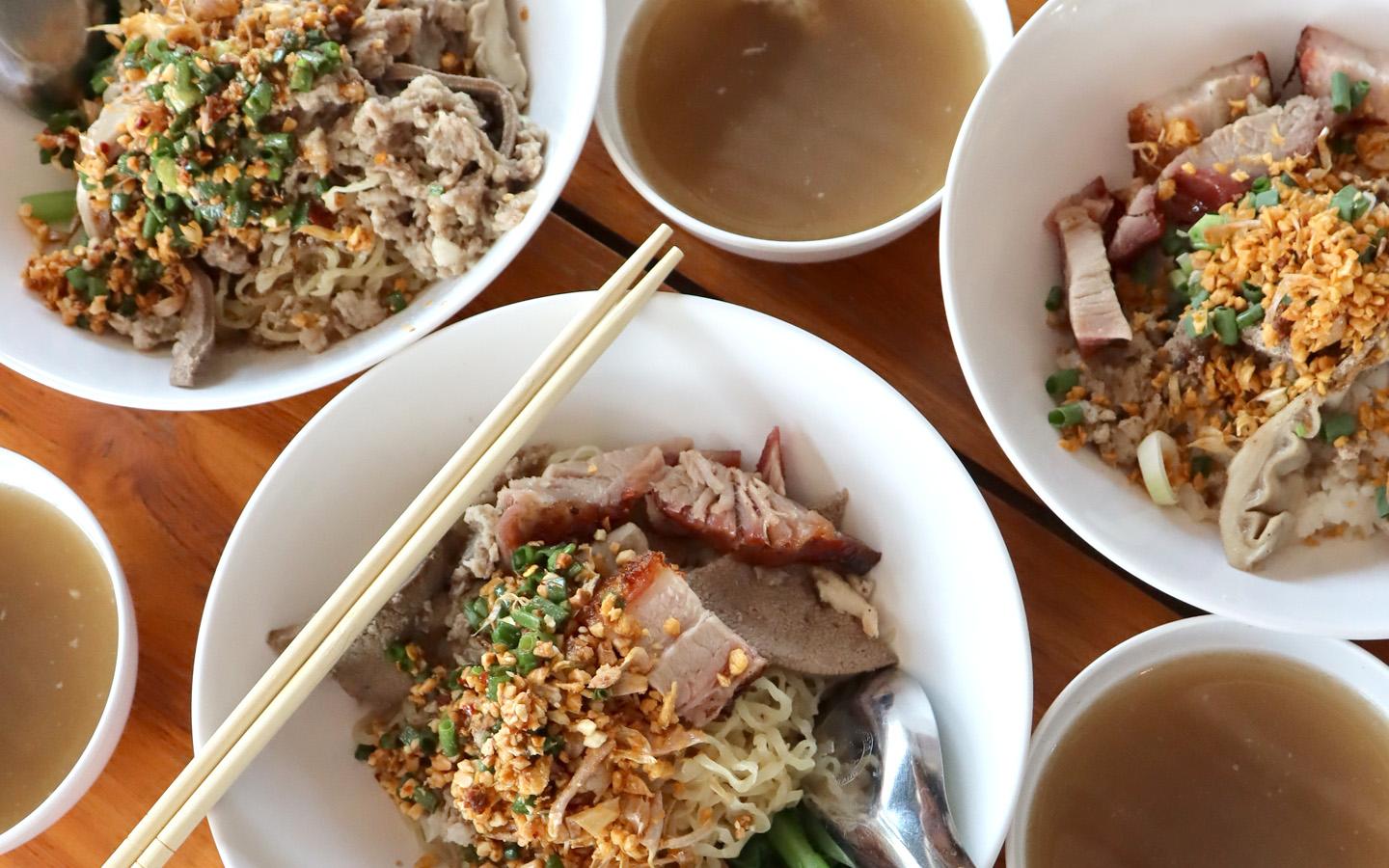
P' Korn's Shop, Kasetsart University - A shop that combines stories and memories for university students, offering both satisfying meals and laughter.
This a la carte restaurant is known by almost every Kasetsart University student. Having been open for over 12 years,
it has become a regular spot for many, where they can meet friends and enjoy a satisfying meal.
The highlight of this restaurant, which everyone agrees on, is its delicious taste and generous portions, offering great value for money. However, the secret to success that P' Korn emphasizes, beyond taste and value, is the speed at which food is served. P' Korn values customers' time and manages the restaurant like a street food establishment, ensuring that everyone who comes in gets to eat simultaneously.
P' Korn's recommended signature dishes at the restaurant are: Crispy Pork Belly with Chili Salt and Creamy Egg: Large pieces of fried pork, stir-fried dry with a spicy flavor, fragrant with chili and wok aroma. Served with Wagyu Beef Holy Basil, whose aromatic Wagyu fat evokes the taste of butter melting in the mouth. Shrimp Macaroni, a recipe from his mother's memory, brings many back to their childhood. For P' Korn, it's not about customers remembering him,
but about everyone leaving and recalling the taste of the food, the speed, the satisfaction, and the joy of eating, because every meal at the shop is not just eating, but a "Story" created together.

Project to Create Careers and Opportunities through Krua Chuan Chom of the Central Women's Correctional Institution.
RS Group collaborated with the Central Women's Correctional Institution to create opportunities for female offenders under the "RS Nearby: Helping Communities Promote Good Products" project. This project, aimed at promoting small businesses in the Chatuchak district community by RS Public Company Limited or RS Group, partnered with the Central Women's Correctional Institution, Department of Corrections, Ministry of Justice, to share opportunities by opening
RS Group's headquarters space for the "Krua Chuan Chom" (Chuan Chom Kitchen) restaurant of the Central Women's Correctional Institution to sell some of its delicious food and desserts free of charge. All proceeds from sales at
RS Group, after deducting expenses by the Department of Corrections, will be distributed as incentive payments to female offenders who train in culinary skills at Krua Chuan Chom, serving as income for their expenses during incarceration and as startup capital upon release. Krua Chuan Chom has operated as a Thai restaurant for over 37 years with the objective of providing female offenders with opportunities to train in culinary skills to develop their knowledge and abilities, enabling them to pursue careers after their release.
This collaboration is therefore another sustainability effort by RS Group to further the commitment of the RS Nearby project, which helps communities promote good products, in improving the quality of life and promoting income for communities and small entrepreneurs in the Chatuchak area. This is achieved by acting as a medium to promote local good products through various RS Group media channels, including the company's social media, content presentation through the "Pak Thong Tong Ru" (Must Know About Livelihoods) program broadcast on Channel 8 Television Station, and promotions during various segments on COOLfahrenheit music station. This creates widespread awareness about quality local shops and products, increasing income opportunities for small entrepreneurs in Chatuchak District.
Since the project began in 2024 and continued into 2025, over 500,000 baht in revenue from product sales has been delivered, and the company remains committed to continuing such sustainable income and opportunity generation in the future.
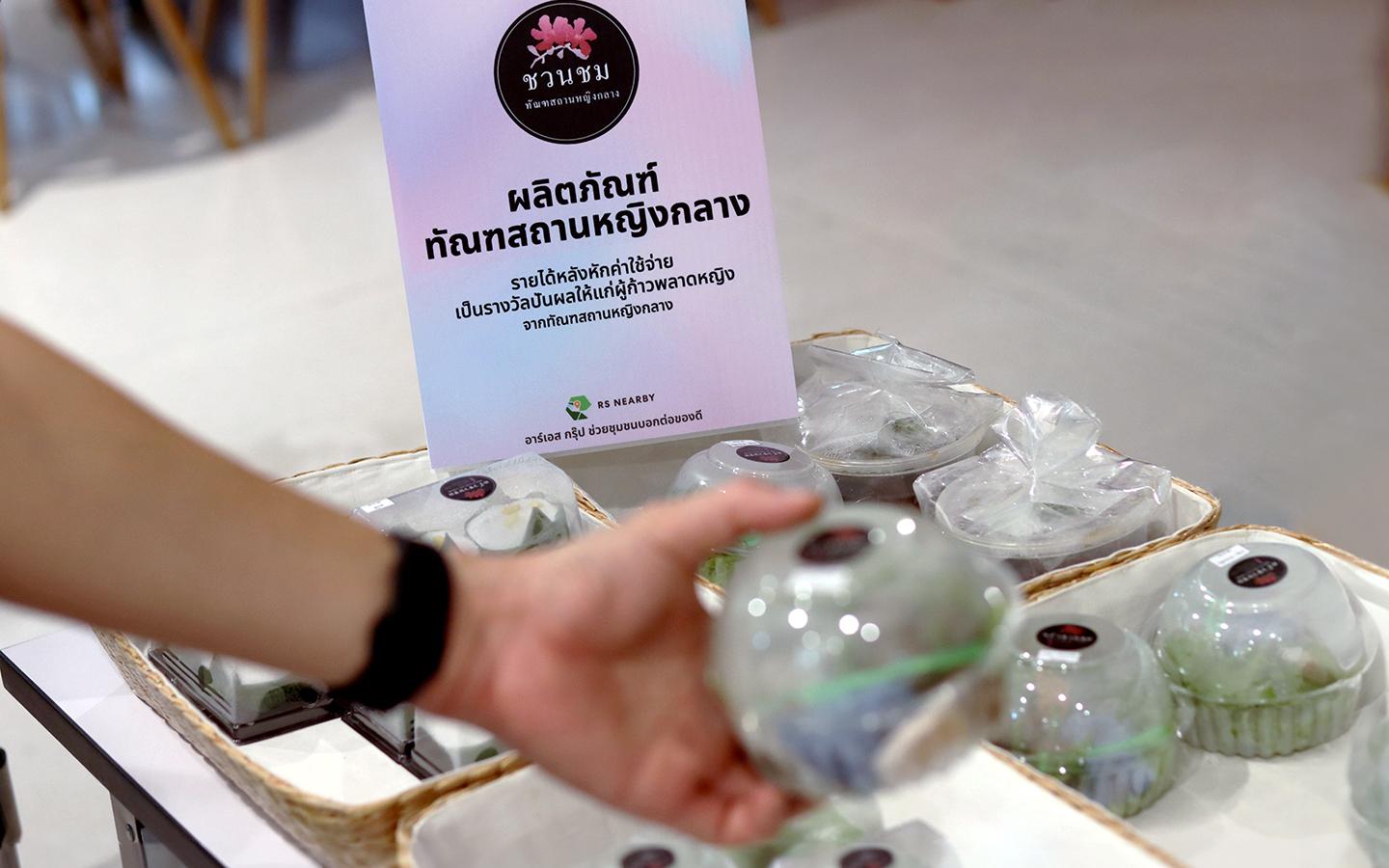
COOL FOOD FAIR : Eatery Journey by COOLfahrenheit
This is another event that ‘COOLfahrenheit,’ Thailand's number one music station, is preparing for COOL fans and the general public to embark on a culinary journey at ‘Amphol Foods Presents COOL FOOD FAIR : EATERY JOURNEY.’
It brings together a variety of delicious dishes and exciting, spicy fun, ready to launch into the ultimate food festival. Indulge in the best shops from all over Thailand in one place, combining deliciousness with trending "Hot on Feed" menus that will make you scream with delight, featuring ‘Celebrity Shops’ such as ‘Siam Cha Thai - Denkhun Ngamnet, Nam Prik Pak Thong - Chaiya Mitchai, Red Hot Chilli Sisters - Mild Lapassalan, Yi Ja Suki Mala - Noon Ramida, Tiaw Kon Chon - Chompoo Kon Bai, Teddy Crispy Mushrooms - Teddy LOSO, Nam Prik Pui Saeb Pak - Puifai Natthapatch,’
and many more celebrity shops. Not to mention healthy and delicious options for health-conscious individuals from ‘Club Aroi by Amphol Foods,’ which will present even more.
There's also an exciting journey of self-discovery, allowing everyone to learn more about themselves through their favorite foods in the 'FOODIE PERSONALITIES' zone, served with great music and a Mini Concert featuring COOL artists like 'PIXXIE, the 3 hottest girl group members/SARAH SALOLA, the cool girl with a mellow voice, and the 5-member boy group PERSES,' along with new T-POP artists from 'RS Music' who will add vibrant fun with 'the cool girl D-NA, the 5 mischievous witches WIZZLE, and the 4-member new boy group NEVONE.'
And not to be missed are the shops from the RS Nearby project, which helps communities promote good products. This is one of RS GROUP's projects that helps increase awareness and income for local shops. At this event, two shops from the RS Nearby project joined to offer delicious food to attendees, namely:
Choc A Dii Selected Craft Chocolate – Original Thai craft chocolate, delicious, unique, and unlike any other.
Ah Kong's Noodles – Authentic original recipe from Ah Kong! If you are a "crispy pork lover," you must not miss this, as Ah Kong has selected crispy pork that is perfectly crunchy with a balanced ratio of meat and fat.
The event also promoted waste separation among participants for proper recycling and disposal processes, in line with RS GROUP's RS Net Zero policy.
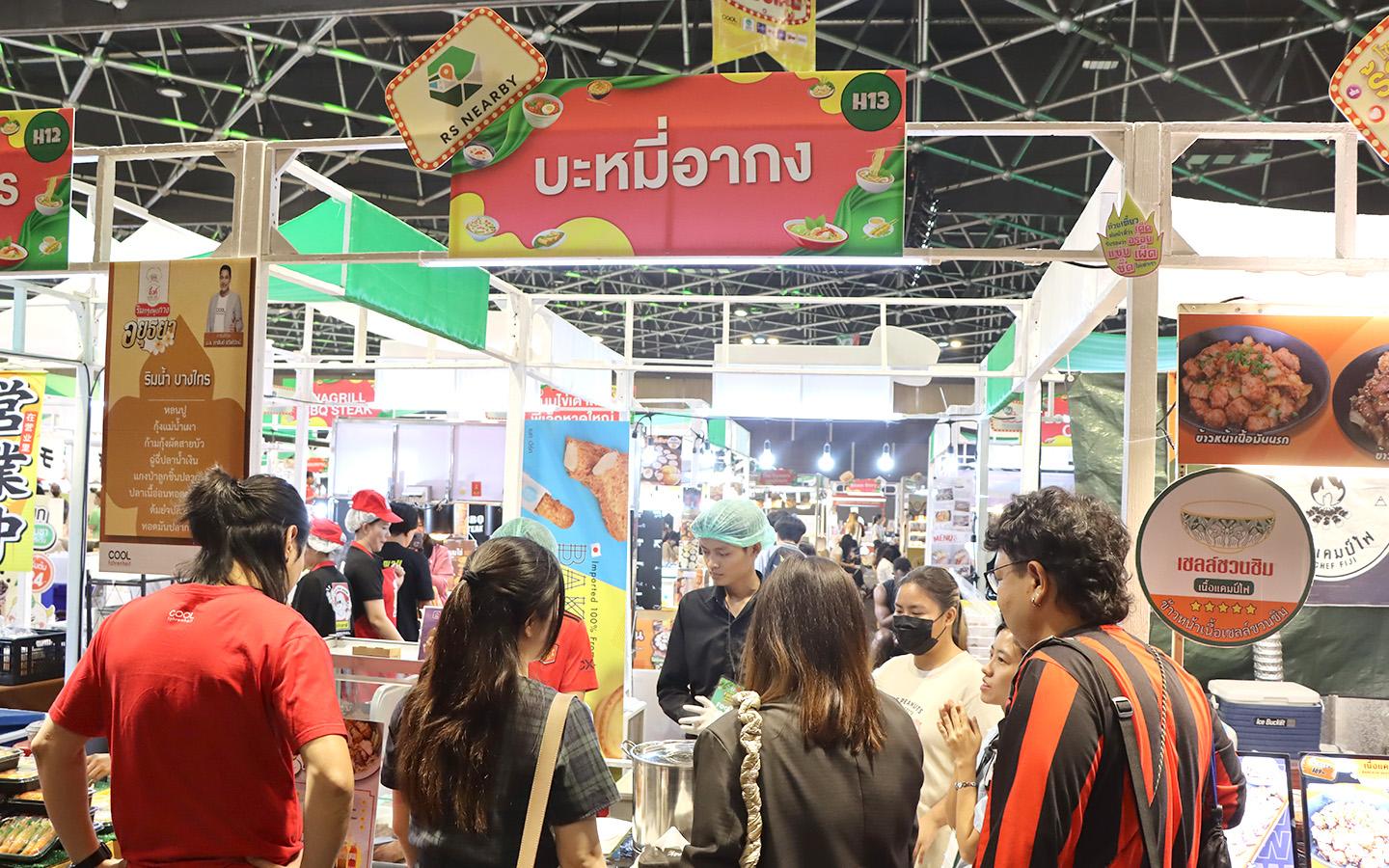
Promoting employee participation in creating a sharing society.
Project "RS BLOOD HERO 2025"
RS Group continues its commitment to caring with the annual "RS BLOOD HERO" activity for 2025, donating blood to the Thai Red Cross Society. This year, RS staff and their families successfully collected 35,550 cc of blood.
RS GROUP wishes to be a part of delivering blood to those in need, including civilians and injured officials affected by the Thai-Cambodian border situation, to help sustain the lives of those protecting Thailand, and to provide life, hope, and opportunities to those requiring blood for treatment in hospitals nationwide.
The power of good in this instance arose from the collaboration of executives, employees, news anchors from Channel 8, and COOLJs from COOLfahrenheit, who united for this activity. RS GROUP wishes to be a part of sharing and extending care to continue enriching this society.

Project "RS GROUP x Pungun"
Sharing activity where employees donate unused items in good condition. All items were delivered to the Yuwaphat Foundation to pass on value and create long-term benefits for society, as we believe that giving is another form of valuable living.
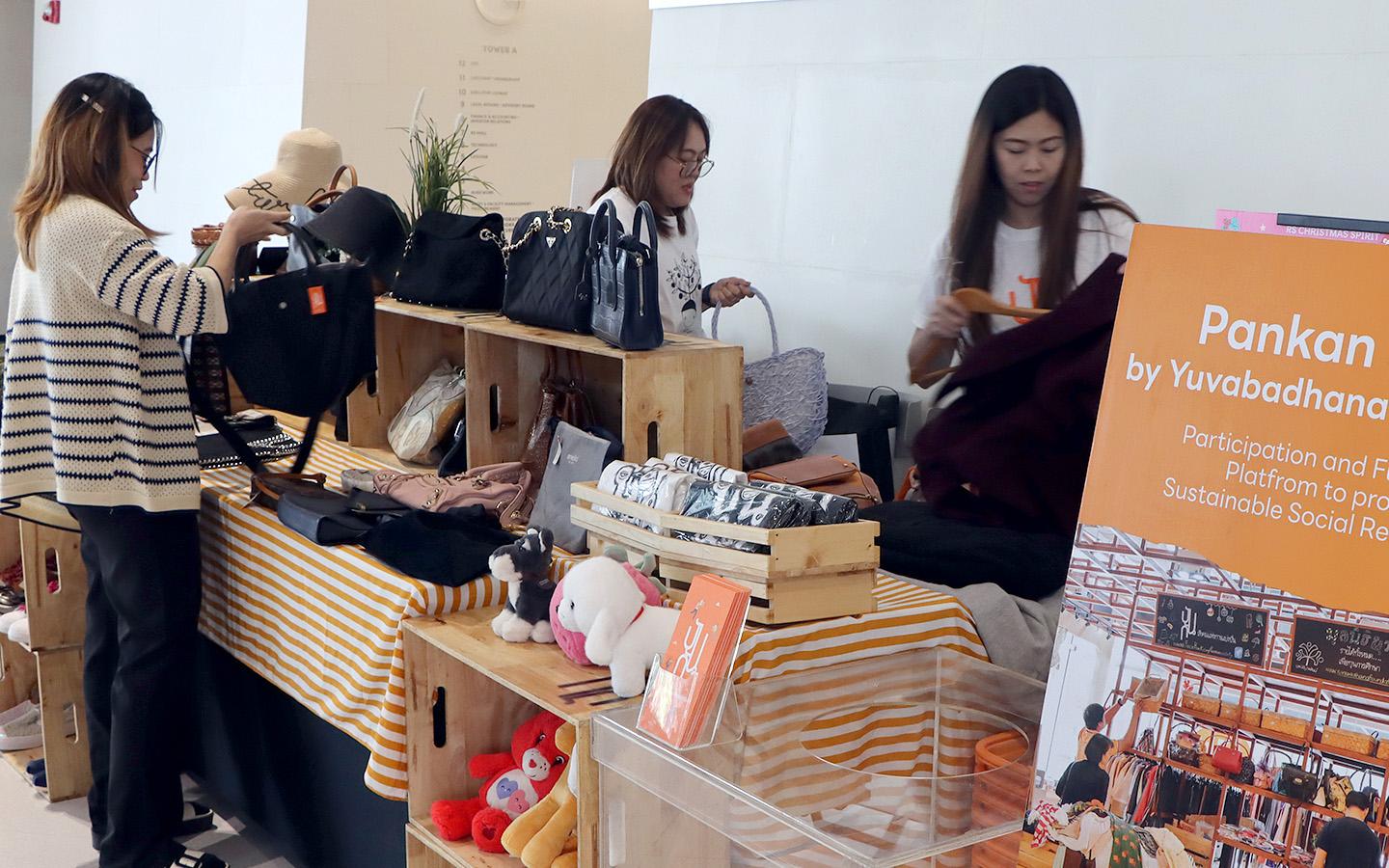
Knowledge Transfer from Organization to Society
Project "RS Young Blood Opens Studio for Students to Experience Real-World Work"
KU the Reporter : Inside the Story opens its doors and organizes a workshop for students to experience real-world work at COOLfahrenheit and Channel 8.
RS Group welcomed Kasetsart University students from the KU the Reporter project who are interested in becoming journalists and content creators. A one-day training course was organized, where expertise from executives and news staff was shared through knowledge sessions and workshops. The session was led by Ms. Leechae Wiyada Peeraratkul,
a Channel 8 news anchor, who shared her experiences as a news anchor to inspire young people who are deciding on their career paths.
Furthermore, the students also visited ULife (health and beauty business), COOLfahrenheit's program studio, and Channel 8's news studio, and had the opportunity to test their abilities as news anchors, journalists, and content creators. This experience broadened their perspectives and inspired them to witness real-world work behind the scenes in the media and entertainment industry, aligning with the objective of the RS YOUNG BLOOD project, which aims to share organizational expertise by offering young people opportunities to observe and learn from real experiences to enhance their skills and inspiration for future career paths.
Furthermore, RS Group was honored by the presence of Asst. Prof. Ratchada Chompunich, Vice President for Student Affairs and Sustainable Development, Kasetsart University, who observed and discussed future collaborations for the
RS YOUNGBLOOD project between Kasetsart University and RS Group.
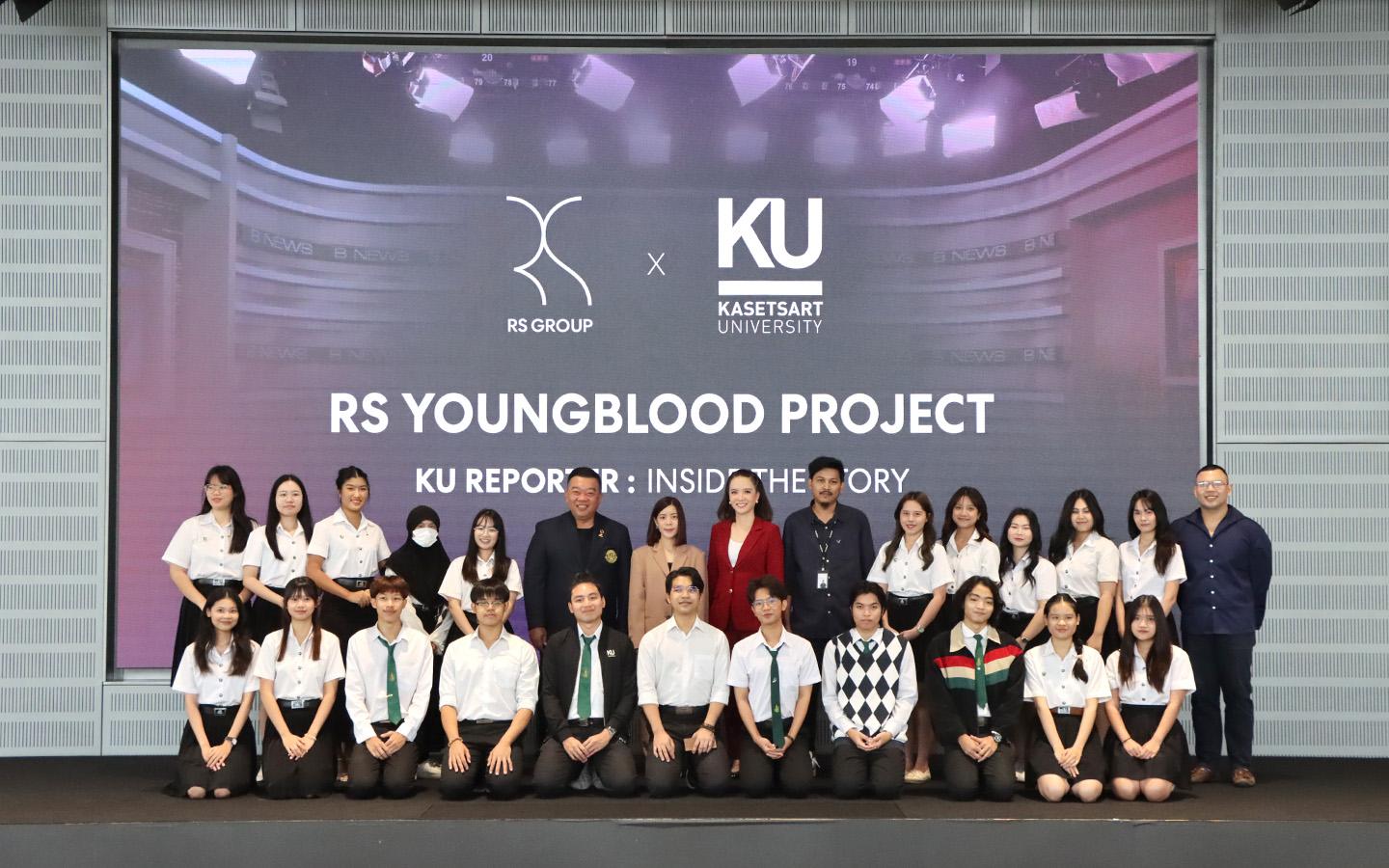
RS GROUP X CBS Shares Content Creation Experience with Chula Business School Students
RS GROUP shared content creation experiences and inspired content creation among students from the Faculty of Commerce and Accountancy, Chulalongkorn University, under the RS YOUNG BLOOD project.
Ms. Nithikan Jitcharoen, Head of Corporate Brand and Communications, led her team in sharing experiences in social media communication for RS GROUP, which has continuously grown, with students traveling to compete in global academic competitions. The aim is to create content that showcases the potential of Thai youth on the world stage,
to promote, engage, and inspire Thai youth to bring fame to the country through social media.
This knowledge-sharing initiative with youth, university students, and college students is another crucial sustainability mission of RS Group, stemming from the RS YOUNG BLOOD project. Executives and skilled personnel will share knowledge and skills gained from real-world business experience to impart direct experience and inspire learning and work. This aligns with the core principle of RS Group's business operations, which is committed to enhancing people's quality of life in all aspects.
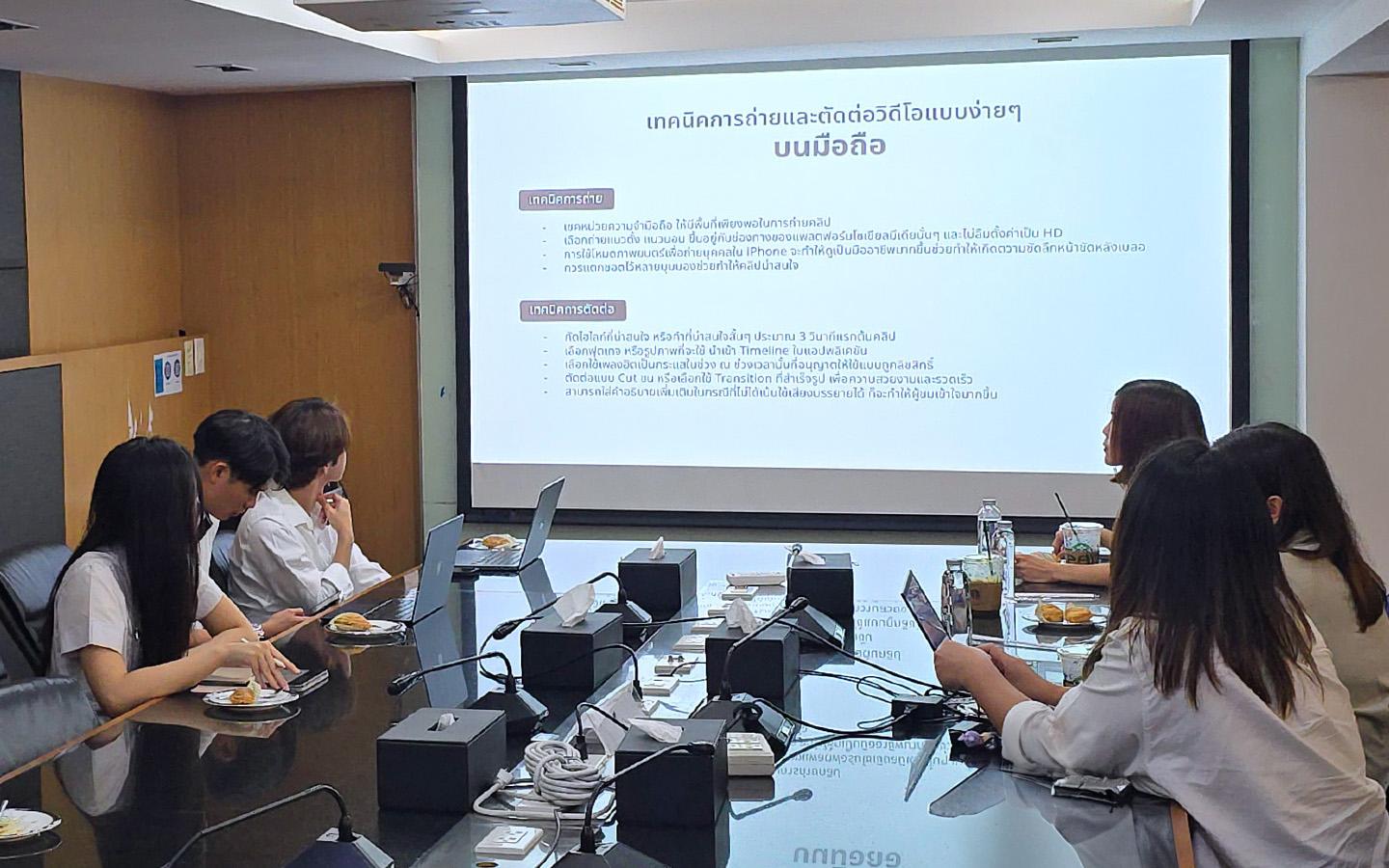
RS Group opened its doors to welcome students from the Faculty of Humanities and Social Sciences, Khon Kaen University.
RS Group welcomed students from the Bachelor of Information Science program, Department of Information Science, Faculty of Humanities and Social Sciences, Khon Kaen University, who visited to study the operations of companies within the RS Group.
Representatives from RS Livewell Company shared their experiences, knowledge, and tips on working as content creators and utilizing data to promote sales through various RS Livewell channels. Additionally, representatives from Channel 8 Television Station provided insights into content and target audience analysis for online content production.
Furthermore, the students also visited the COOLfahrenheit program studio, Channel 8 news studio, and the "Nang Rai Thailand" (Thai Villainess) program studio, which is currently trending and popular. This experience broadened their perspectives and inspired them to witness real-world work behind the scenes, aligning with the objective of the RS YOUNG BLOOD project, which aims to share organizational expertise by offering young people opportunities to observe, learn from real experiences, and enhance their skills and inspiration for future career paths.
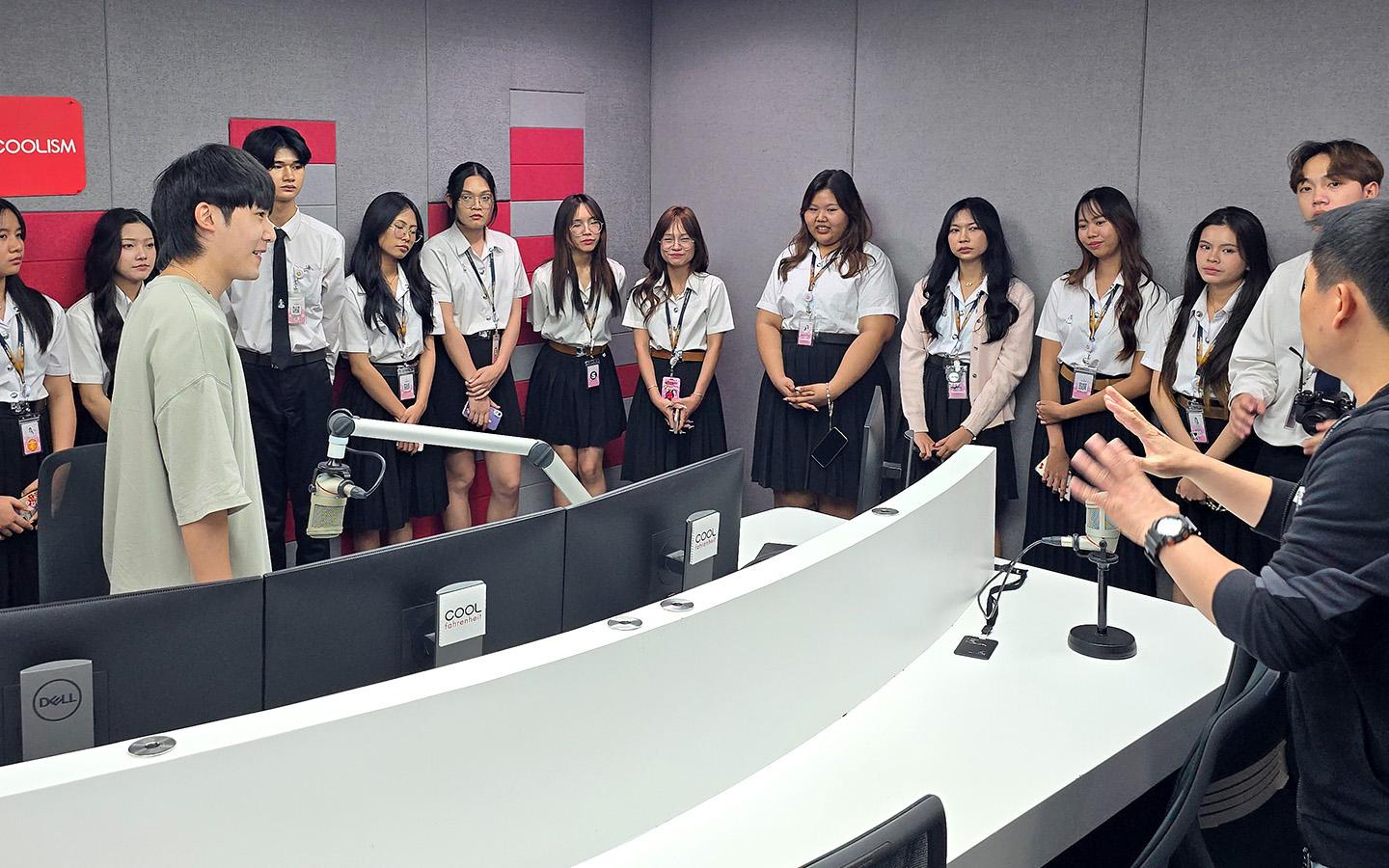
RS Group Opens Studio to Welcome Communication Arts Students from Dhurakij Pundit University
Channel 8 Television Station, part of RS Group, welcomed Communication Arts students from Dhurakij Pundit University to visit the station's news operations, the main news program studio, the MCR (Master Control Room), and COOLfahrenheit radio station at the RS Group building.
Mr. Sarawat Kitpanich, Assistant Director of News, provided an intensive lecture on working as a news professional in the "Lui Chon Khao" program, and representatives from various departments at Channel 8 shared their knowledge with the students. Additionally, a representative from COOLfahrenheit, Mr. Teeradej Sritanawichian, Music Programmer Manager – COOLISM, discussed the adaptation of radio media in the social era and strategies for maintaining its perennial number one position.
The purpose of visiting the news department of Channel 8 Television Station and COOLfahrenheit Radio was to study the operational systems in all dimensions and stages of real-world work, enabling students to integrate and apply their knowledge to gain a realistic perspective beyond academic learning in the classroom.
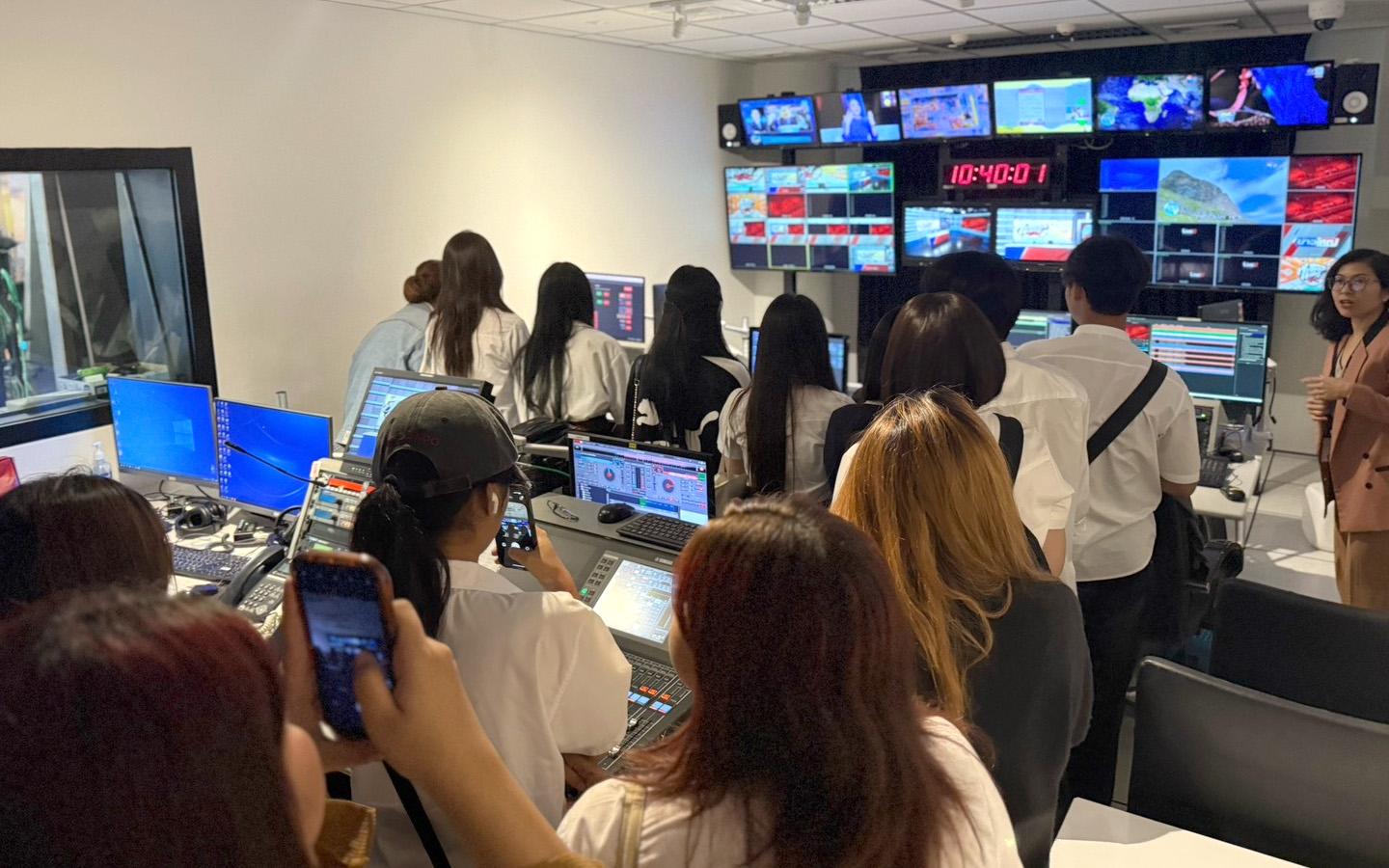
Reimagining Kaset Cross @ Kaset District
RS Group, under the RS YOUNG BLOOD project, supported the "Reimagining Kaset Cross" Kaset District project, which was carried out in collaboration with the Faculty of Architecture, Kasetsart University, the Chatuchak District Office,
and the Driving Committee for Participatory Development of Chatuchak District. The project aims to provide a platform for Kasetsart University students to propose ideas for creating and promoting the Kaset-Chatuchak area as a creative district with a unique identity, leading to business promotion and an improved quality of life for its residents.
This project focuses on developing the Kaset-Lat Phrao area, covering the region from Ngam Wong Wan Road to Prasoet Manukit Road, extending to the communities along Lat Phrao Canal. This area has high potential for development into a creative district, with Kasetsart University serving as a knowledge hub and Chatuchak Weekend Market as a commercial and cultural arts center. It also boasts diverse and comprehensive public transportation systems and large green spaces. If continuously developed, it can generate new economic value and promote sustainable urban growth.
After presenting their initial concepts, in the final round, the students showcased their ideas, which were meticulously analyzed and creatively developed, along with simulated models of creative spaces. The project provided development funding of 2,500 baht per group and awarded prizes totaling 10,000 baht.
In this activity, the participating students had the opportunity to practice various important skills, from analyzing areas, identifying pain points and the needs of local residents, to applying architectural knowledge and creativity to design and develop spaces that meet the lifestyles of people in the actual area, while also enhancing their quality of life.
This extended their academic knowledge into practical application, showcased their potential through project presentations, and received close guidance from expert committees across various fields with real-world experience, which is crucial for their future career paths. The esteemed committee members included:
Assoc. Prof. Dr. Supaporn Kaewkor Liawpairat, Associate Dean for Resource Management and Corporate Communications, Faculty of Architecture, Kasetsart University.
Rattapavee Lapnan, Director of Corporate Governance and Sustainable Development, RS Public Company Limited.
Atsadang Sathirapatti, Chairman of the Driving Committee for Participatory Development of Chatuchak District.
Wisanu Sripraj, Expert Architect, Civil Works Department, Chatuchak District Office.
The support for this project is part of RS Group's crucial sustainability mission under the RS YOUNG BLOOD project.
Our executives and personnel will contribute their knowledge and skills from real-world work to impart direct experience and ignite inspiration for learning and working. This reflects the core principle of RS Group's business operations, which is committed to comprehensively enhancing people's quality of life.
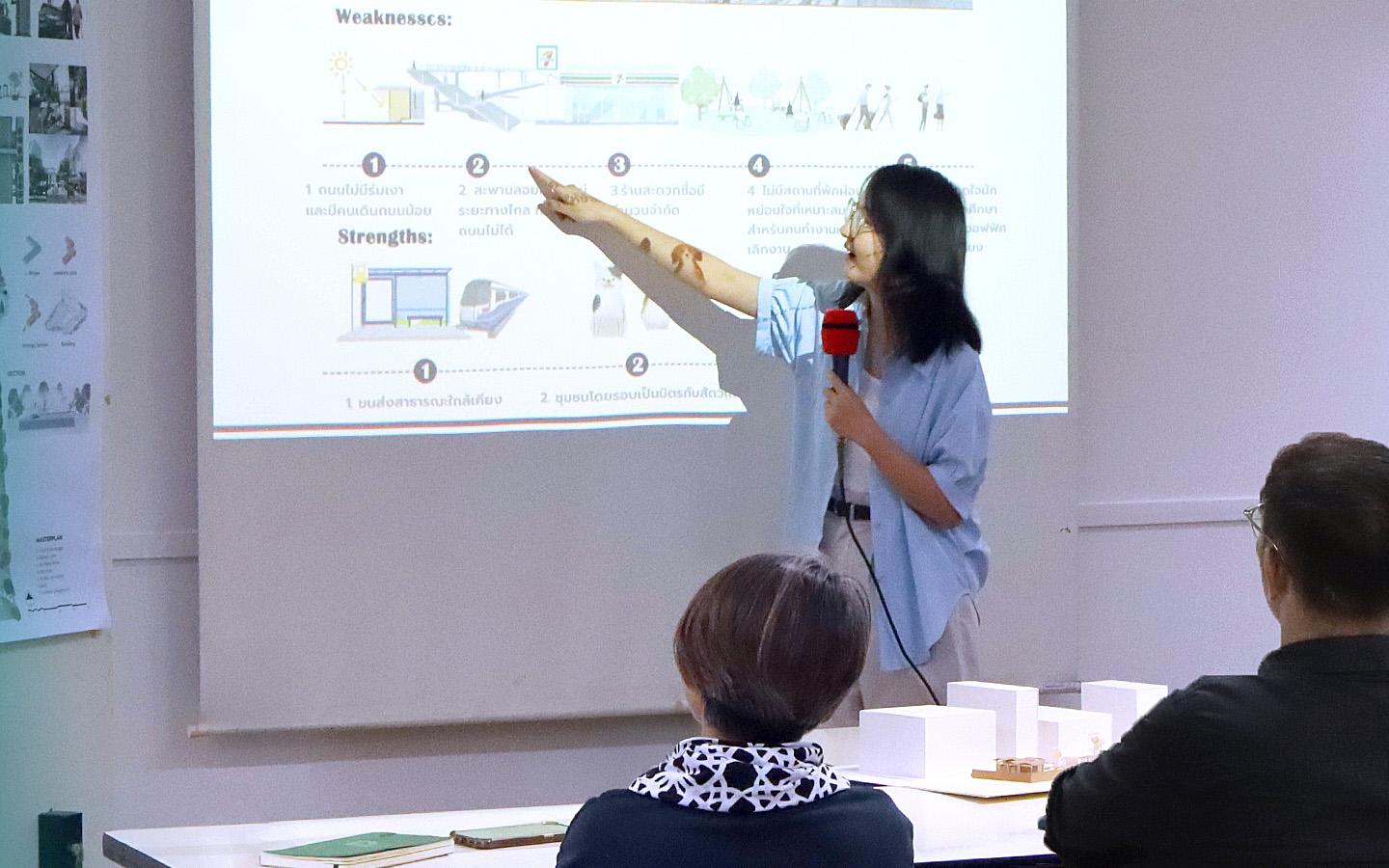
Knowledge Transfer to 3 Institutions
RS GROUP opened its doors to welcome young people into the real world of media work, both radio and television, under the RS YOUNG BLOOD project. Students from 3 institutions visited to learn about the real-world operations of
the integrated media and multimedia industry, namely Nongchok Pittayanusorn Secondary School, University of Phayao, and Suranaree University of Technology.
During the activity, the students heard direct experiences from the Channel 8 news team and the COOLfahrenheit team, covering everything from the news editorial process, content and target audience analysis on online platforms, the adaptation of radio media in the digital age, and strategies for building strong media brands. They also visited actual work areas, including the Channel 8 news studio, the broadcast control room, and the COOLfahrenheit studio, to gain new perspectives and experience behind-the-scenes work up close.
This activity reflects the spirit of RS YOUNG BLOOD, which aims to share knowledge and experience from in-house experts, while providing opportunities for young people to learn, be inspired, and prepare for their future career paths.
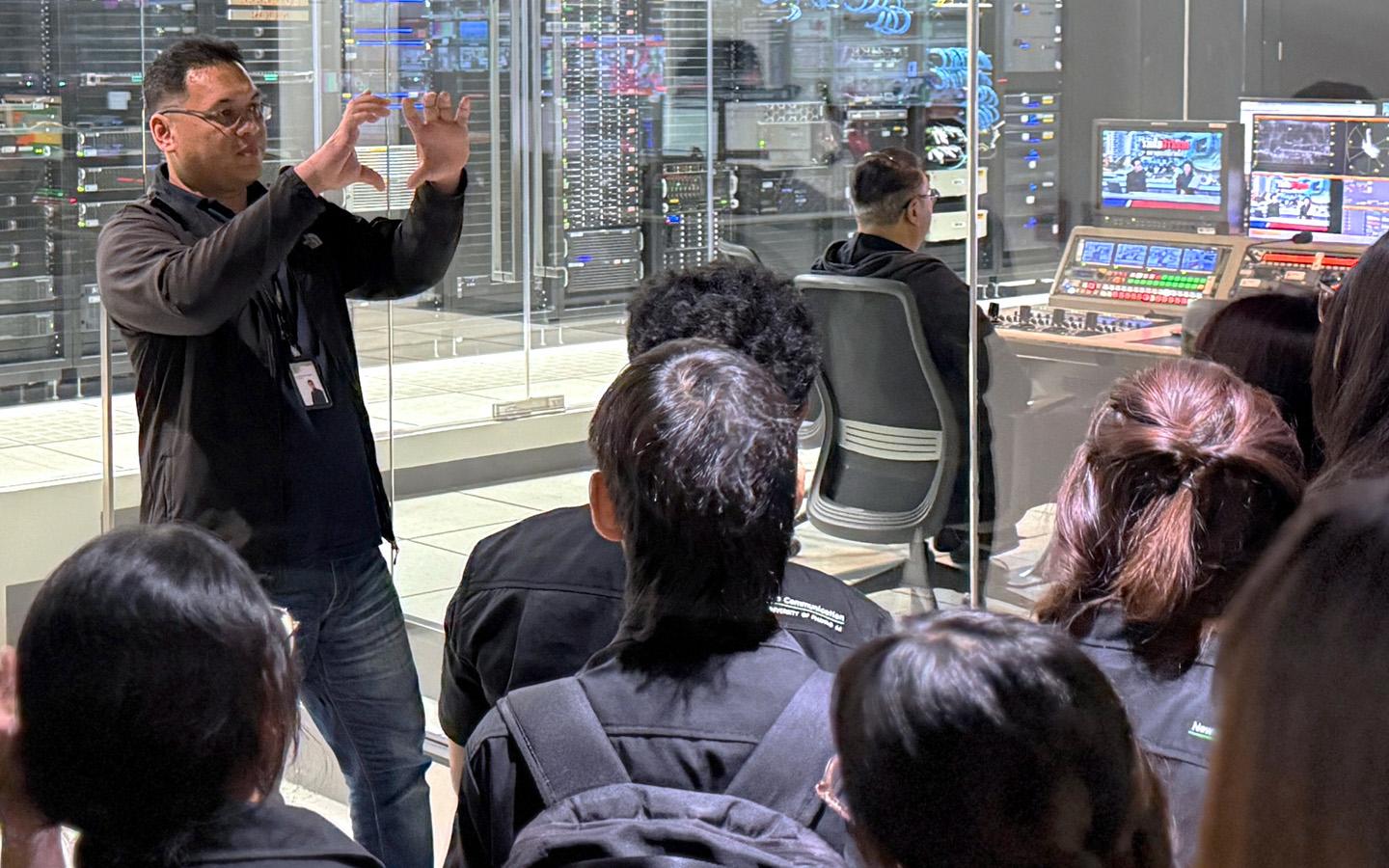
The Future of Pet Health Begins Here at HATO
Beloved pets may not be able to stay with you for a lifetime, but you can "extend their health and treatment opportunities." HATO, under RS Group, launched its Stem Cell Banking for Pets service and organized an in-depth academic seminar, inviting pet owners and interested individuals to learn together on the topic "The Future of Pet Health Begins Here at HATO: The Future of Pet Health Starts Today." The event will feature presentations by leading veterinarians and researchers, including:
Introduction of stem cell & clinical advantages in pet health: Benefits of stem cells for pet health
by Ajarn Chaiyos Tharattana.Laboratory quality & reliability in stem cell applications: Quality and reliability of the lab
by Dr. Pongsakorn Kanhaom.Stem cell banking package & special offers for HATO customers by Dr. Komsak Luangruangrong.
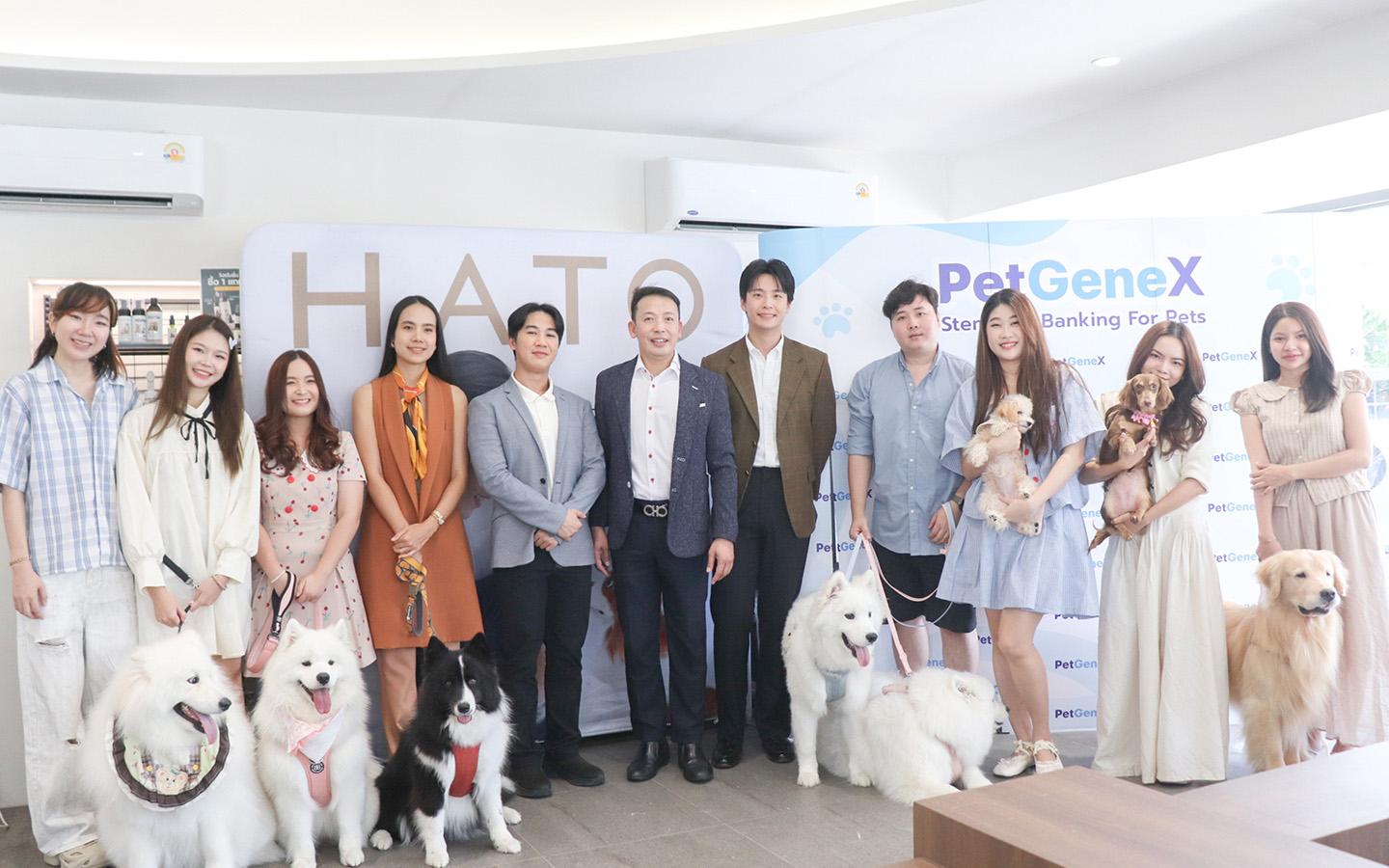
Acting as a medium to help people in society through business processes.
Project "Channel 8 Pan Nam Jai"
Extending Care to the Thai-Cambodian Border
Channel 8, under RS Group, extended its concern to the Thai-Cambodian border through the "Channel 8 Pan Nam Jai" (Sharing Kindness) project for affected civilians and soldiers. All donations will be delivered to those affected as quickly as possible to provide crucial encouragement for everyone to overcome this difficult period. Ms. Nonglak Ngamroj,
Chief Multimedia and Entertainment Officer, along with the Channel 8 news anchor team, including Mr. Joe Teera Thanyananphol, Ms. Jeab Jitdee Sridee, Ms. May Chanitnan Punnanithi, and Mr. Tonkla Chaianan Panchu, as well as Channel 8 volunteer staff, jointly transported essential items from the first batch of public donations, totaling over 3,000,000 baht. These were delivered directly to 5 military units and aid points in the border areas: Suranaree Camp
in Nakhon Ratchasima Province / Sanpasithiprasong Camp in Ubon Ratchathani Province / Weerawat Yothin Camp in Surin and Sisaket Provinces / Somdet Chao Phraya Maha Kasatsuek Camp in Buriram Province / and the aid distribution point for border soldiers in Trat Province, facilitated by the Trat Province Veterans Network.
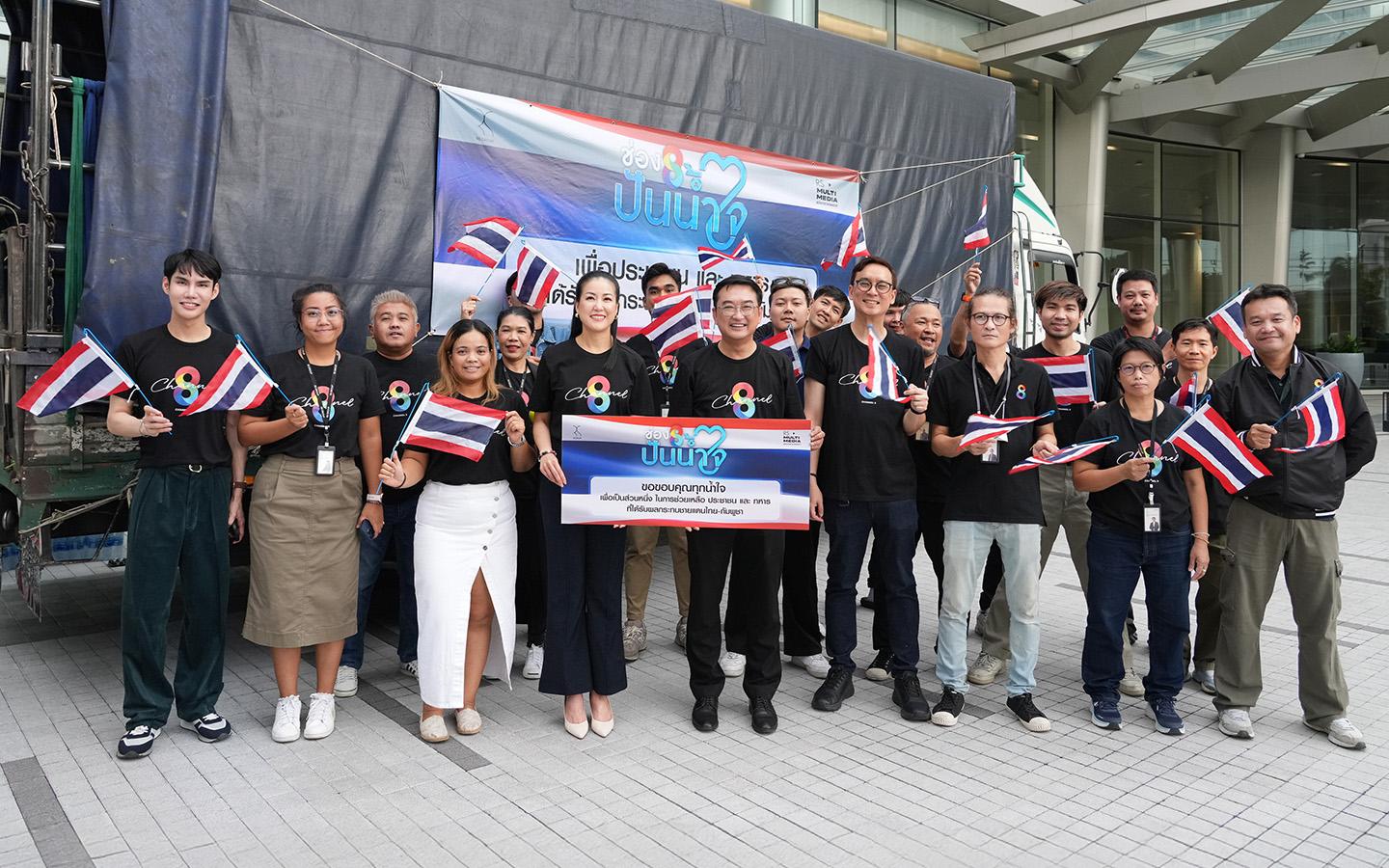
Deliver military equipment and aid to people along the Thai-Cambodian border.
On Monday, September 8, 2025, Ms. Nonglak Ngamroj, Chief Multimedia and Entertainment Officer, along with the Channel 8 news anchor team, Mr. Joe Teera Thanyananphol, represented the public in delivering essential military equipment and supplies totaling 8,550,000 baht. Lieutenant General Boonsin Padklang, Commander of the 2nd Army Area, presided over the reception, joined by Major General Weerayut Raksil, Deputy Commander of the 2nd Army Area, and Major General Somphop Parawet, Commander of the Suranaree Task Force, in Surin Province. Additionally, 8 public shelters, totaling 800,000 baht, were delivered, covering areas in Surin and Sisaket Provinces, to serve as refuge for the public during emergencies. This mission was made possible by the generous support of the public and Channel 8's partners, ensuring that aid reached the border areas swiftly.
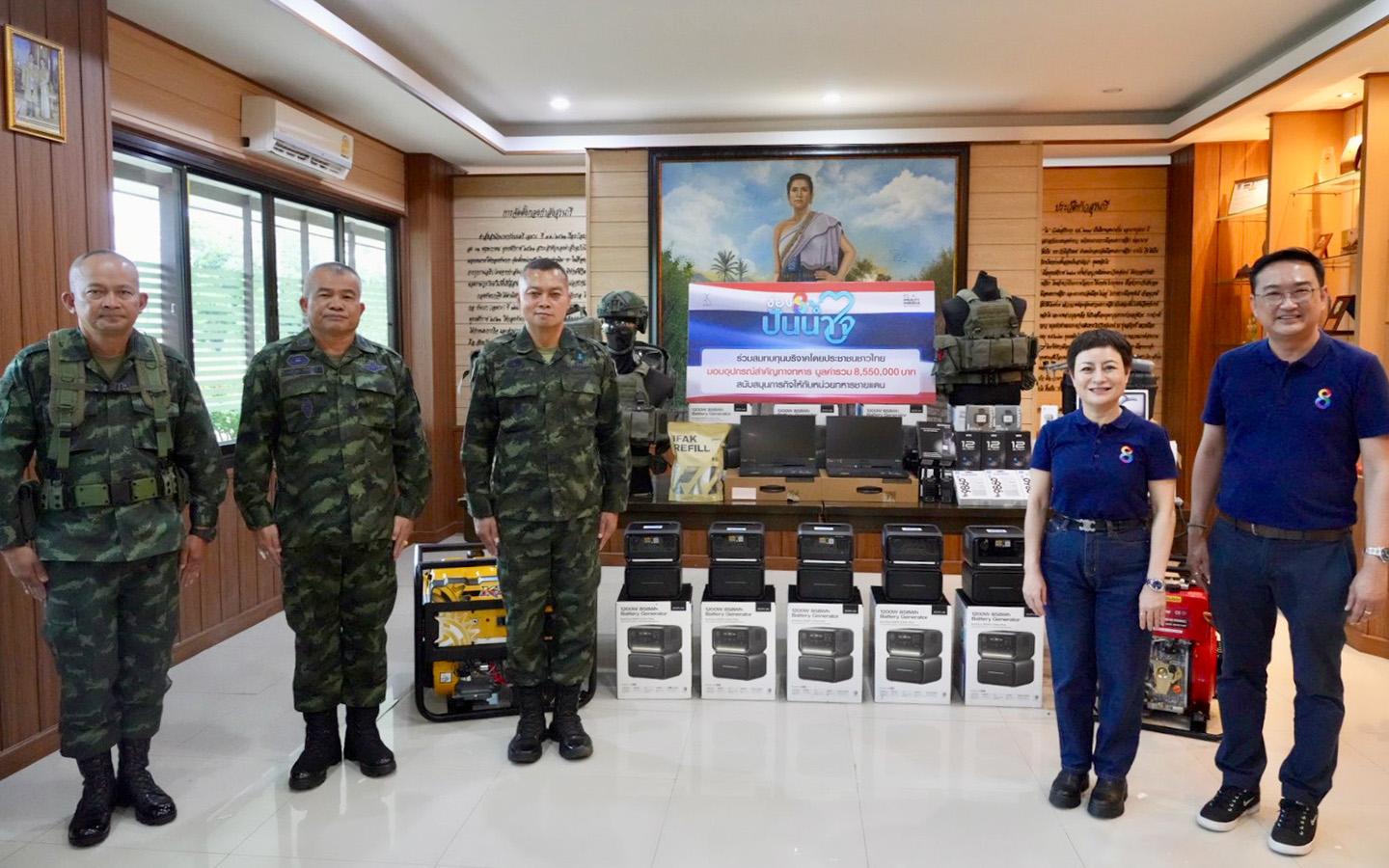
Other Social Management
Plan & Outcomes — Introduction
Sustainable development with partners
The company is committed to strengthening relationships with business partners and developing operational processes to create shared value with all stakeholders. This is achieved through supply chain management that considers environmental, social, and governance (ESG) issues, along with comprehensive risk management in collaborative business operations with partners. This approach will lead to the creation of long-term value throughout the supply chain and enhance competitive advantage. For this reason, RS Group has established a supplier code of conduct to define the direction for the sustainable business development of RS Group and its partners, and to set standards and guidelines for partners to study and apply in their collaboration with RS Group.
RS Group is committed to honesty and fairness towards its partners, treating all partners in the supply chain with procurement processes and contractual terms or agreements based on fair returns for both parties. It avoids bias or situations that could lead to conflicts of interest, upholds its duties to partners, and assists in knowledge transfer, capacity building, and aiming for the development of international operational standards. This is coupled with business ethics, labor practices and human rights, quality management, occupational health and safety, community development participation, and environmental preservation. Furthermore, it monitors, inspects, evaluates, and develops mutual business knowledge effectively. Nevertheless, RS Group intends to set operational standards higher than legally required, expecting to encourage partners to adopt responsible operational guidelines towards stakeholders equally and equitably, so that partners can grow sustainably alongside RS Group.
Business innovation policy for society and/or the environment
The company is committed to inventing and developing innovations that comprehensively cover products, services, and processes, capable of generating benefits, enhancing competitiveness, and creating added value for the company. This is done while considering potential impacts on communities, society, and the environment, and striving to create shared value between the company and all stakeholders in the best possible way.
Business innovation practices for society and/or the environment
Analyze the company's operational processes in detail to create opportunities for development leading to the discovery and practical implementation of innovations.
Be open and encourage creative personnel within the company to propose various ideas that will ensure continuity in continuous innovation.
Promote and collaborate with the company's stakeholders, such as partners, to jointly develop innovations that are socially and environmentally responsible.
Promote knowledge acquisition through both internal and external training to foster mutual idea exchange.
Seek opportunities to form business partnerships with various sector entities, such as government agencies and educational institutions, that possess diverse expertise, to generate ideas for developing and expanding into innovations that are effective for the company's operations.
Performance in business innovation for society and/or the environment
The first time transitioning from a businessperson...to a "Health Buddy."
ULife Health Buddy – The new power of business partners, ready to be by your side at every stage of life. At a time when many are seeking health knowledge...ULife offers more than just information or products, as this represents a new dimension of care, achieved by elevating business partners to become professional "Health Consultants."
ULife aims to develop business partners into Health Buddies by enhancing their capabilities across 3 levels.
Foundation level: Understand holistic health through the longevity test — an assessment covering 8 dimensions of life behaviors, including sleep, gut health, brain function, emotions, and more.
Specialist level: Proficient in using the Smart Pulse device to assess heart health, blood vessels, and stress levels within 1–3 minutes with just a fingertip touch.
Advanced level: Learn the principles of Lifestyle Medicine to help adjust behaviors and reduce the risk of NCDs (diabetes, hypertension, dyslipidemia), focusing on long-term health.
“Not just knowing...but knowing deeply and providing genuine care.” What makes ULife Health Buddy different is its core of attentiveness.
Possess in-depth knowledge in holistic health longevity and lifestyle medicine.
Utilize modern technology such as Smart Pulse — a hospital-grade tool certified by Europe, America, Japan, etc., as convenient, safe, and painless.
Recommend only high-quality products under the beyond brand, which meets high standards.
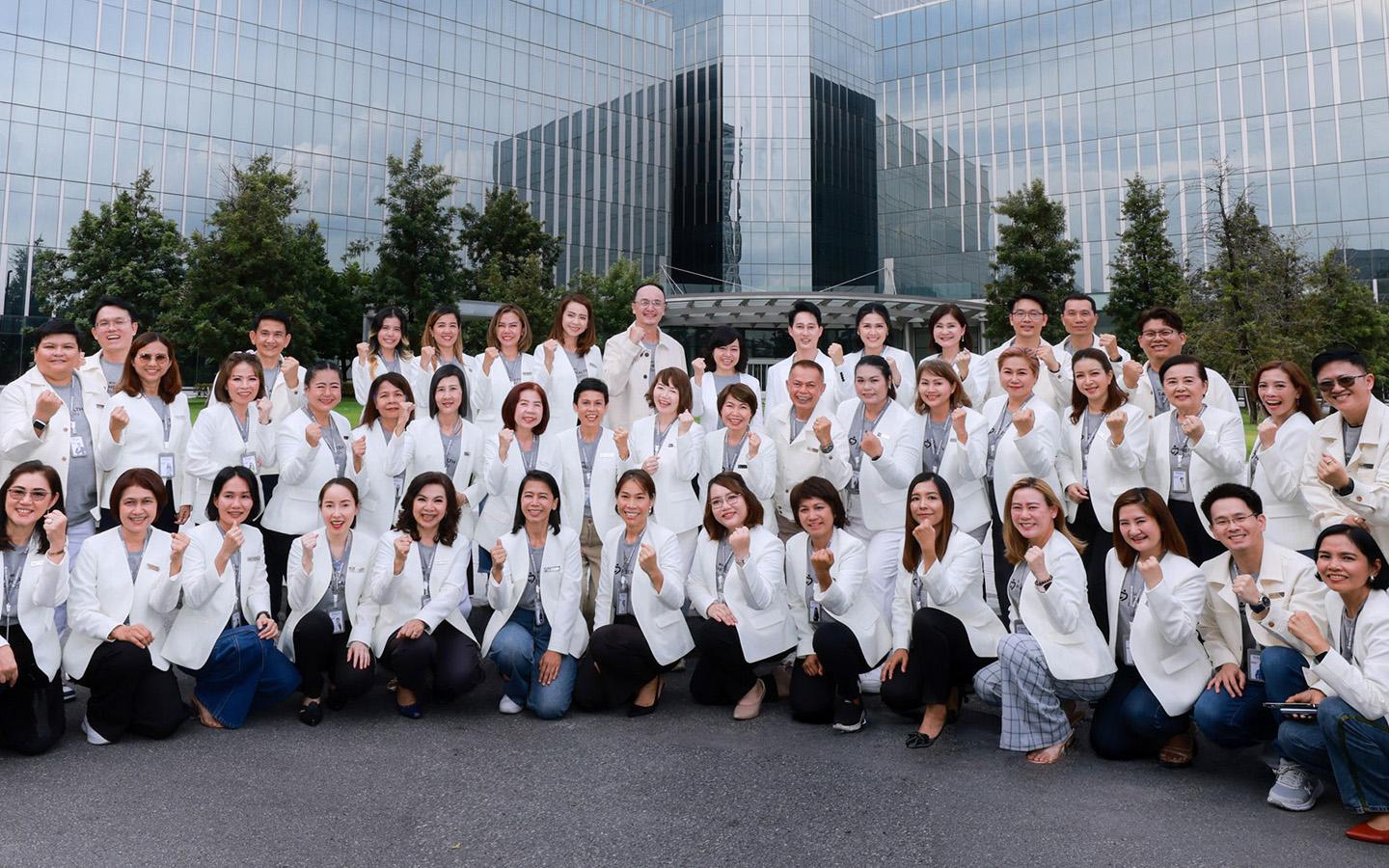
ULife AI assist workshop for business partners
ULife, under RS Group, organized the ULife AI assist workshop to share knowledge and techniques for using AI tools to create social media content. Over 150 business partners actively participated, both in-person and online. At this event, ULife was honored to host guest speaker Ajarn Amnuay Lertrungpanich, who shared valuable techniques and inspired professional AI usage.
During the workshop, participants were introduced to the ULife AI assist intrend marketing tool for modern business owners, which aids in thinking, writing, and planning for creating social media content. This tool simplifies life, drives efficient business growth, helps write posts faster and more effectively, assists in professional content planning, and enhances ideas for strategic business acceleration.
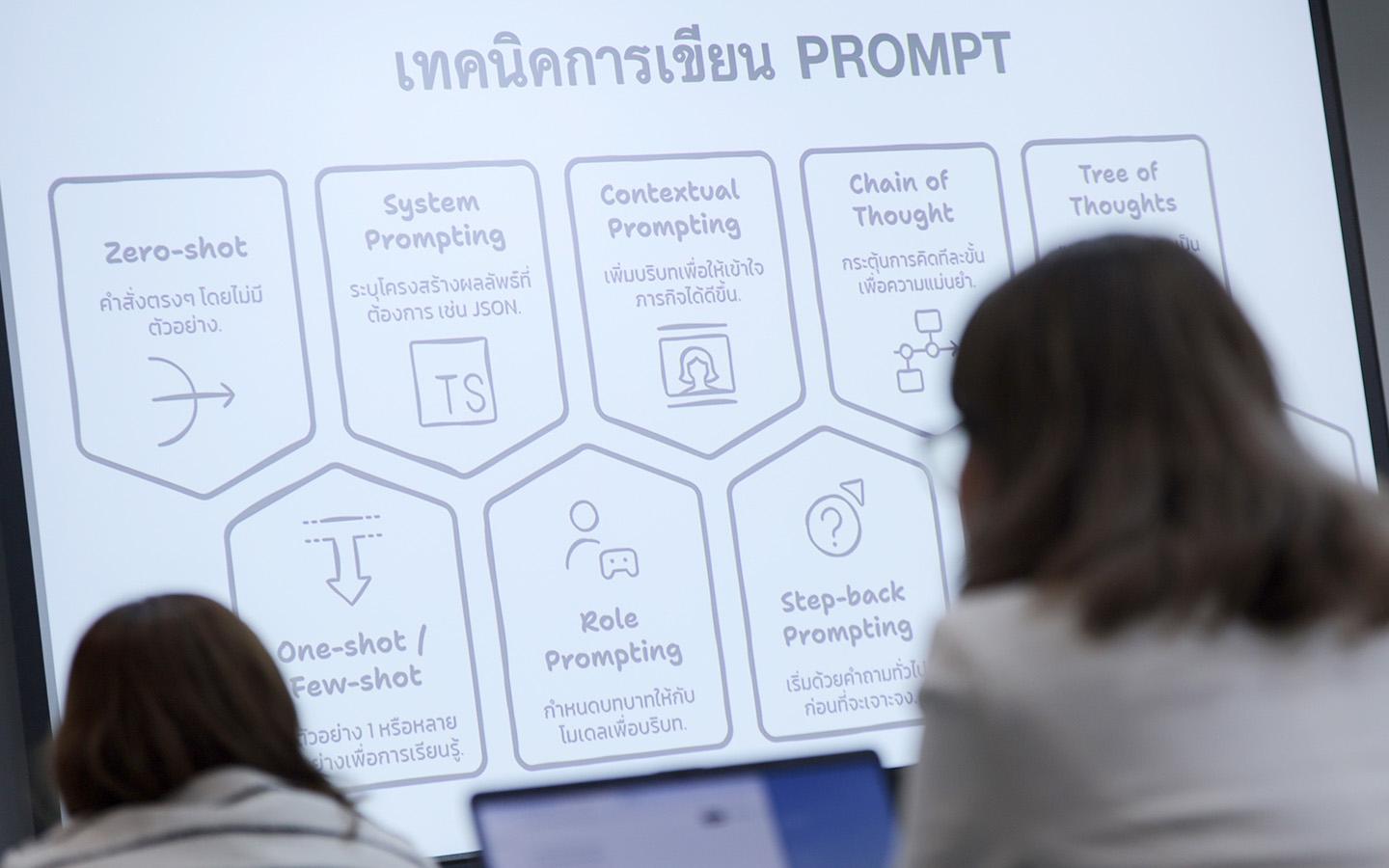
Stem Cell Banking for Pets by HATO x PetGeneX
HATO, under Pet Medical Group within RS Group, in collaboration with PetGeneX, an expert in pet stem cell collection and cultivation, has launched 'Stem Cell Banking for Pets,' a service for storing pet stem cells. The launch event also featured an academic seminar titled "The Future of Pet Health Begins Here at HATO" to disseminate knowledge on pet stem cells.
Stem cell management is a highly potent technology for future disease treatment, possessing key properties in
anti-inflammation and damaged tissue regeneration. If collected while the pet is healthy, the stem cells will be of the highest quality and highly compatible with the body. Furthermore, treatment is safer and more effective than using cells from other sources.
Highlights of HATO's stem cell storage service include convenience, safety, no surgery required, and suitability for all ages from birth to old age. 100% of the pet's own stem cells can be used to reduce the risk of cell rejection and
are ready for future treatments such as degenerative joint disease, kidney disease, liver disease, skin conditions,
post-surgical recovery, or to slow down age-related bodily degeneration, among others. This aims to help pets live long and stay with their families for many years.
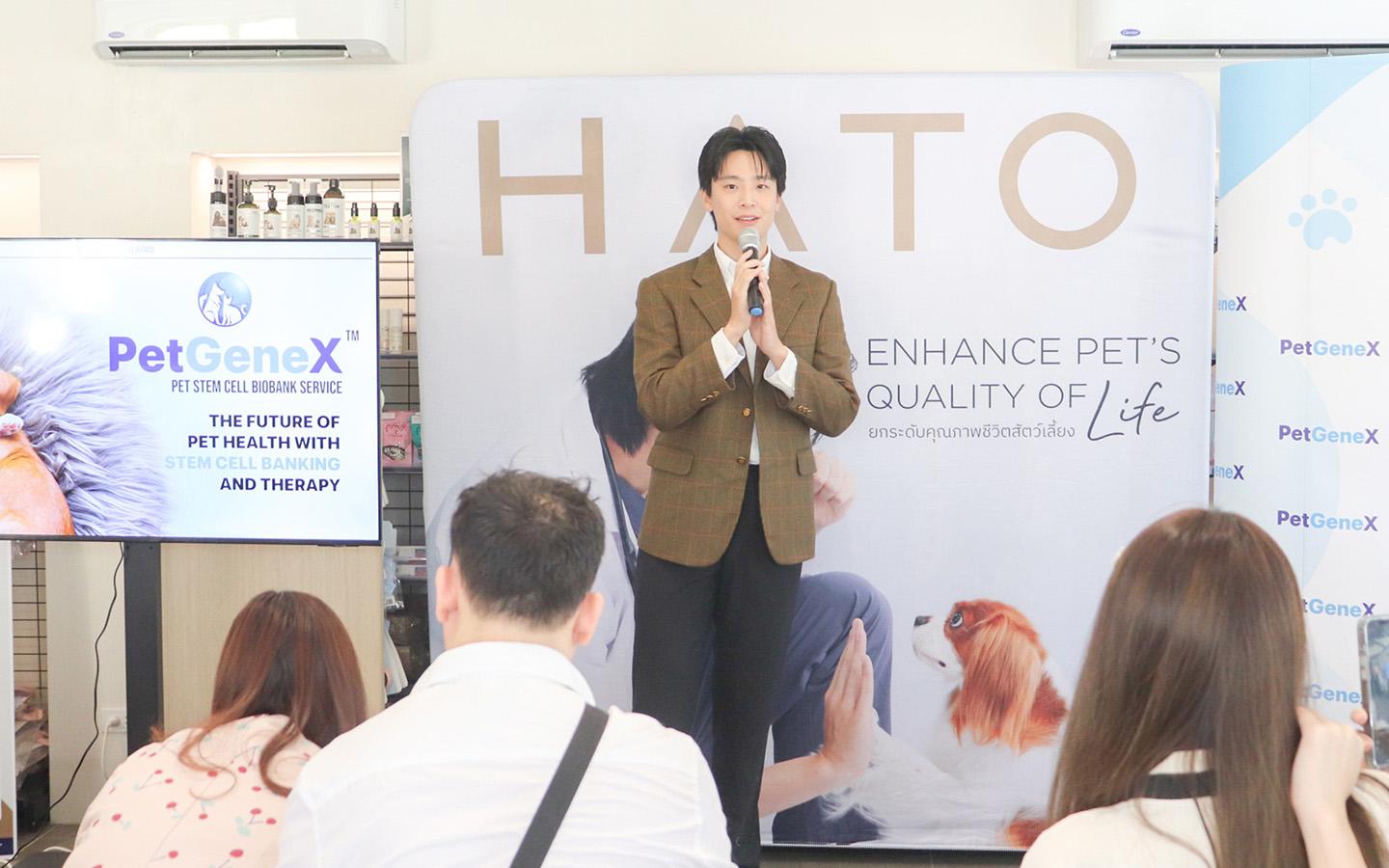
Plan & Outcomes — Description
Strengthening relationships with partners through the partner code of conduct
RS Public Company Limited and its subsidiaries ("RS Group") are committed to strengthening relationships with business partners and developing work processes to create shared value with all stakeholders. This is achieved through supply chain management that considers environmental, social, and governance (ESG) issues, which involves comprehensive management of opportunities and risks across all dimensions of business operations. The outcome will lead to the creation of long-term value with partners, as well as increased competitive advantage in the future. RS Group is committed to honesty, integrity, and fairness towards its partners, treating all partners in the supply chain with procurement criteria, and contract terms or agreements based on fair returns for both parties, reasonably and without discrimination or situations that create conflicts of interest. It upholds its duties towards partners, including providing knowledge, developing potential, and aiming to develop international operational standards, alongside business ethics, labor practices and human rights, quality management, occupational health and safety, community development participation, and environmental preservation. This also includes monitoring, auditing, evaluating, and developing mutual business knowledge effectively. Nevertheless, RS Group intends to set operational standards beyond legal requirements, hoping to encourage partners to adopt responsible practices towards stakeholders equally and equitably, so that partners can grow sustainably with RS Group as well.
Practices for strengthening elationships through Partner Code of Conduct
Communicating and ensuring key partners are aware of and comply with the company's Partner Code of Conduct for sustainable development.
Regular ESG (Environmental, Social, and Governance) audits of partners.
Monitoring partner performance through annual self-assessment by partners.
Establishing a supply chain management system that covers partner selection, monitoring, and performance evaluation processes.
Communicating to operational-level partners the performance expectations of the company to ensure compliance with company standards.
Communicating to partners to ensure they are aware of and understand potential human rights impacts arising from operations.
Monitoring and investigating all complaints received through the Whistleblower Channel.
Partner sustainability risk management
Identification of key partners
The company has guidelines for various operations with both existing and new partners, by categorizing partners as follows:
Critical tier 1 partners refer to partners with high expenditure, difficult-to-replace products, key raw materials for strategic product manufacturing, or whose loss would result in high to very high risk. The company plans to develop a partner assessment form and conduct site visits, standard checks, and collaborative risk reduction planning in various areas according to sustainable partner practices, to ensure that these partners can manage risks to a level that does not cause severe impact.
Secondary partners or critical partners not directly doing business with the company (Critical Non-Tier 1) refer to partners with moderate or low expenditure, or those who control key raw materials but are not yet part of the company's strategic production plan for this year, and are not in the main partner group. The company plans to develop a partner assessment form based on sustainable partner practices to ensure that these partners can effectively participate in the company's supply chain management.
Partners requiring on-site ESG audits will primarily focus on key partners who meet the criteria of existing partners producing new products, new partners producing products for the first time, partners producing strategic core products, and partners with the highest expenditure.
In 2025, the company focuses on managing risks of key or critical partners from all business units, considering partners with the highest expenditure, partners producing new products, and partners producing the company's highest-selling products. It was found that the top 20 partners accounted for 37% of total expenditure, which aligns with the company's policy of not relying on a single partner. No single partner accounted for more than 10% of the company's total expenditure. The company has planned to recruit new partners to provide alternatives and continuously enhance competitiveness in the future.
Process for identifying partner-related risk issues
The company has a process for assessing partner risks and potential impacts on business operations, under the risk assessment criteria defined by the company. This covers all critical dimensions of sustainability, including the consideration of existing partners and the selection of new partners, as follows:
Economic dimension: Evaluation criteria include price, quality, delivery time, credit period, promotion and emphasis on collaborative innovation with partners, transparent and verifiable performance reporting, and clear documentation.
Environmental dimension: Evaluation criteria include environmental management consistent with relevant laws and mandatory standards, and systematic, correct, appropriate, and compliant waste management.
Social dimension: Evaluation criteria include fair treatment of labor and respect for human rights, and engagement with communities and society to sustainably improve people's quality of life.
Governance dimension: Evaluation criteria include operations under governance principles, business ethics, relevant laws and regulations, and policies and operations related to anti-corruption.
Risk management and monitoring
In 2025, the company conducted an ESG partner self-assessment, focusing on the risk assessment of RS Livewell Co., Ltd.'s partners. These are partners that are Original Equipment Manufacturers (OEMs) under the company's brand (House Brand), new partners, partners producing strategic core products, and partners producing high-selling products, with details as follows:
3 key partners were assessed using self-assessment forms out of a target of 5. The results showed that 97.0% passed the assessment criteria from the 90% target
2 key partners were assessed through on-site ESG audits out of a target of 2, conducted via actual site visits. The results showed that 96.0% passed the assessment criteria, exceeding the 90% target, thus meeting the decision criteria and allowing for continued trading.
In 2025, no significant risk issues arising from partners were found. Minor issues may have been observed, such as some partners not yet having concrete environmental management policies, but only controlling operations to comply with legal requirements. In such cases, the company will assess scores based on actual performance and follow up on corrective actions to ensure full compliance. Alternatively, some partners have not yet been certified as members of the Private Sector Collective Action against Corruption (CAC). In 2024, the company organized a change agent training program with a total of 100 employees, executives, and partners participating to expand cooperation and support partners in achieving certification in the future.
Sustainable procurement policy
RS Public Company Limited and its subsidiaries ("RS Group") are committed to strengthening relationships with business partners and developing work processes to create shared value with all stakeholders. This is achieved through supply chain management that considers environmental, social, and governance (ESG) issues, which involves comprehensive management of opportunities and risks across all dimensions of business operations. The outcome will lead to the creation of long-term value with partners, as well as increased competitive advantage in the future. RS Group is committed to honesty, integrity, and fairness towards its partners, treating all partners in the supply chain with procurement criteria, and contract terms or agreements based on fair returns for both parties, reasonably and without discrimination or situations that create conflicts of interest. It upholds its duties towards partners, including providing knowledge, developing potential, and aiming to develop international operational standards, alongside business ethics, labor practices and human rights, quality management, occupational health and safety, community development participation, and environmental preservation. This also includes monitoring, auditing, evaluating, and developing mutual business knowledge effectively. Nevertheless, RS Group intends to set operational standards beyond legal requirements, hoping to encourage partners to adopt responsible practices towards stakeholders equally and equitably, so that partners can grow sustainably with RS Group as well.
Sustainable procurement practices
Fair and transparent partner selection, considering economic, social, environmental, and governance aspects, covering both new and existing partners.
Systematic procurement operations with strict control, monitoring, and verifiability to maximize benefits throughout the process.
Supporting partners in conducting business in accordance with the "Partner Code of Conduct for Sustainable Development" established by the company.
Supporting community and social development activities in collaboration with partners as appropriate.
Supporting and promoting environmentally friendly products.
Promoting employment, creating opportunities, and developing careers within the community.
Promoting collaborative innovation with partners for sustainable business growth.
Policy and trade credit terms for partners
The company prioritizes liquidity and cash cycle management. The determination of trade credit terms depends on the company's partners and requires consideration of various factors, such as the duration of the business relationship, product type, quantity, quality, or inventory turnover cycle. Nevertheless, the company has set trade credit terms based on principles of fairness and mutual benefit for all parties, with The trade credit terms are detailed as follows:
General partners or suppliers are given a period of 30-60 days from the date of inspection and acceptance of goods or services, or payment in installments according to contractual terms. which is in accordance with the announcement of the Trade Competition Commission
For partners that are small and medium-sized enterprises (SMEs), a period of 30-45 days is set to promote liquidity, enabling the company's partners to continuously circulate funds within the economic system.
In 2025, the actual average period was 49 days, which is in line with the company's credit policy.
Tax policy
The company is committed to conducting business with transparency and integrity, thus striving for accurate and complete tax operations and utilization of tax benefits to ensure that achieve maximum efficiency under legal requirements, including compliance with regulations for disclosing financial and tax information to government agencies and stakeholders. all parts, consistent with good corporate governance principles, business ethics, and sustainable operational guidelines, which focus on for the company to achieve economic growth alongside development and full social responsibility, as the company believes that good tax responsibility will be able to contribute significantly to the overall economic and social development of the country in the future.
Tax implementation guidelines
Accurate and complete compliance with all laws and regulations related to tax management in each country where the company operates.
Tax planning and proper utilization of tax benefits in accordance with laws and regulations, including the correct application of tax structures. which does not lead to tax avoidance.
Submitting and claiming tax refunds within the legally prescribed period to maximize benefits for the company, government agencies, and the country.
Regularly studying and considering tax impacts if new tax laws or policies are announced, or if the company undertakes new transactions. occurring, prioritizing the company's best interests.
Appointing tax advisors with knowledge and understanding to ensure correct operations and reduce the risk of
tax disputes.The appointment of a responsible person to provide factual information on the company's operations when requested or audited by government agencies.
Promoting tax knowledge development among relevant personnel to ensure accurate and complete work performance.
Tax reporting performance
The company regularly monitors and evaluates its operations in accordance with tax-related laws, regulations, and practices to ensure that relevant parties are informed and comply correctly must. In 2025, the company had a pre-tax loss of 883,405,990 baht. Therefore, the company has no income tax to pay to the Revenue Department.
Supporting social development in collaboration with other agencies
In 2025, the company provided support for social development in various areas, totaling 22,121,583 Baht, or 1.17%
of total revenue, as follows:
Support for social development | Value (Baht) |
To promote education | 30,000 |
To support religious activities | 25,000 |
As a medium to help society
| 9,545,567 12,531,016 |
Total | 22,131,583 |
Law Violation Incidents
Law Violation Incidents
| Metric | Current Year | Previous Year | Two Years Ago |
|---|---|---|---|
| The total number of cases or incidents of significant violations of laws or regulations regarding social and human rights (Cases) | 0 | 0 | 0 |
| The total number of cases or incidents that cause significant labor disputes (Cases) | 0 | 0 | 0 |
| The total number of cases or complaints related to consumer rights violations (Cases) | 0 | 0 | 0 |
| The total number of cases or complaints related to partner rights violations (Cases) | 0 | 0 | 0 |
| The total number of cases or incidents that cause disputes with the community/society (Cases) | 0 | 0 | 0 |
| The total number of cases or incidents related to cyber security or customer data breaches (Cases) | 0 | 0 | 0 |
| The total number of cases or incidents related to safety and occupational health at work (Cases) | 0 | 0 | 0 |